Many people experience temporary vision darkening, blurring, or dizziness for a few seconds when transitioning from a sitting or lying position to standing. When seated or lying down, blood flows relatively easily back to the heart. Upon changing posture, gravity pulls some blood towards the legs and lower body. Normally, the body quickly constricts blood vessels and adjusts heart rate to maintain blood pressure.
If this process does not occur fast enough, blood pressure can drop briefly, reducing blood flow to the brain and causing dizziness, lightheadedness, blurred vision, or darkening of sight. According to the Cleveland Clinic, orthostatic hypotension occurs when blood pressure significantly decreases within a few minutes of standing from a sitting or lying position; some individuals may faint.
This condition is more likely to appear when the body is dehydrated, anemic, has been lying down for a long time, has been standing for a long time, or is using certain medications. Hot weather can also make symptoms more pronounced.
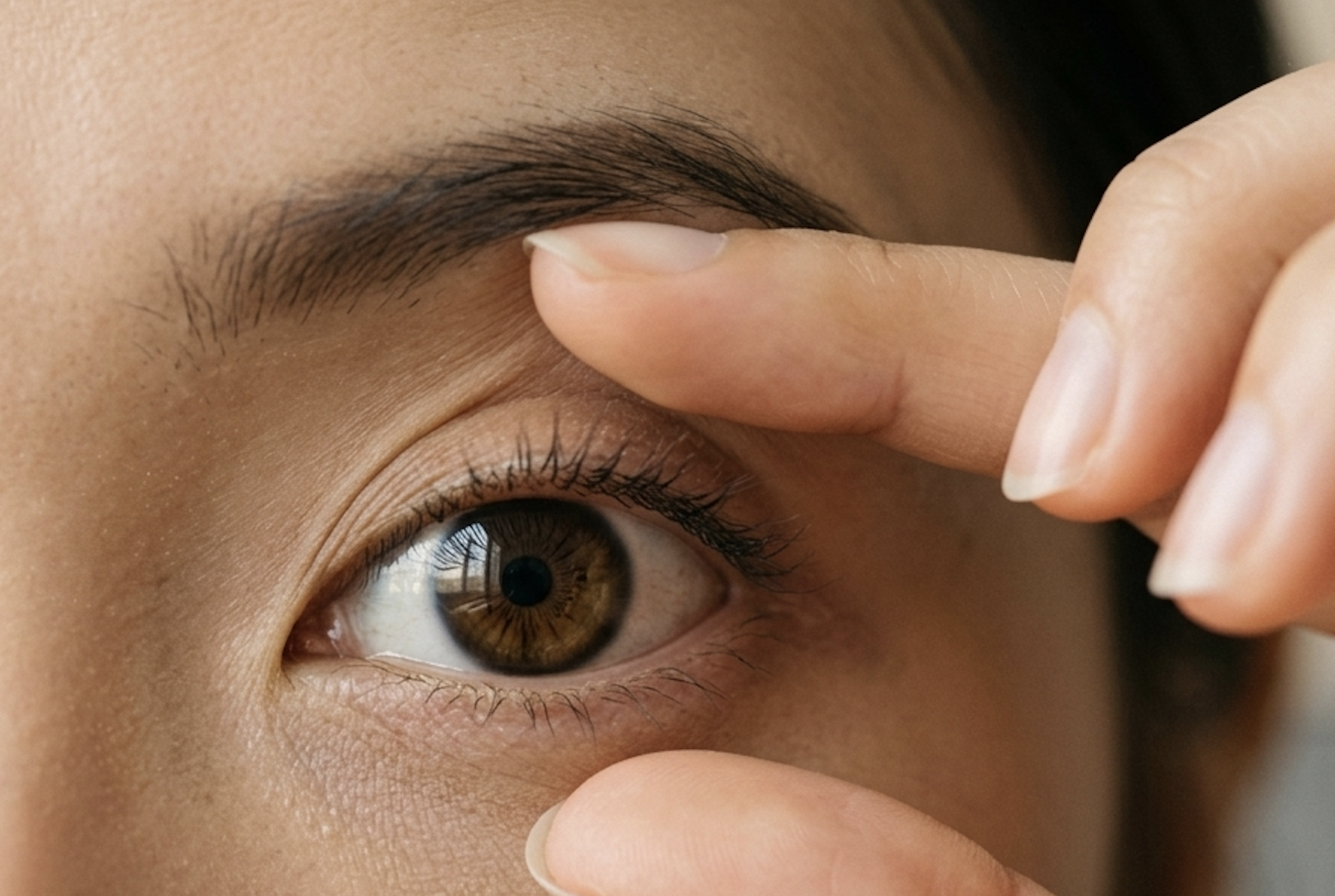 |
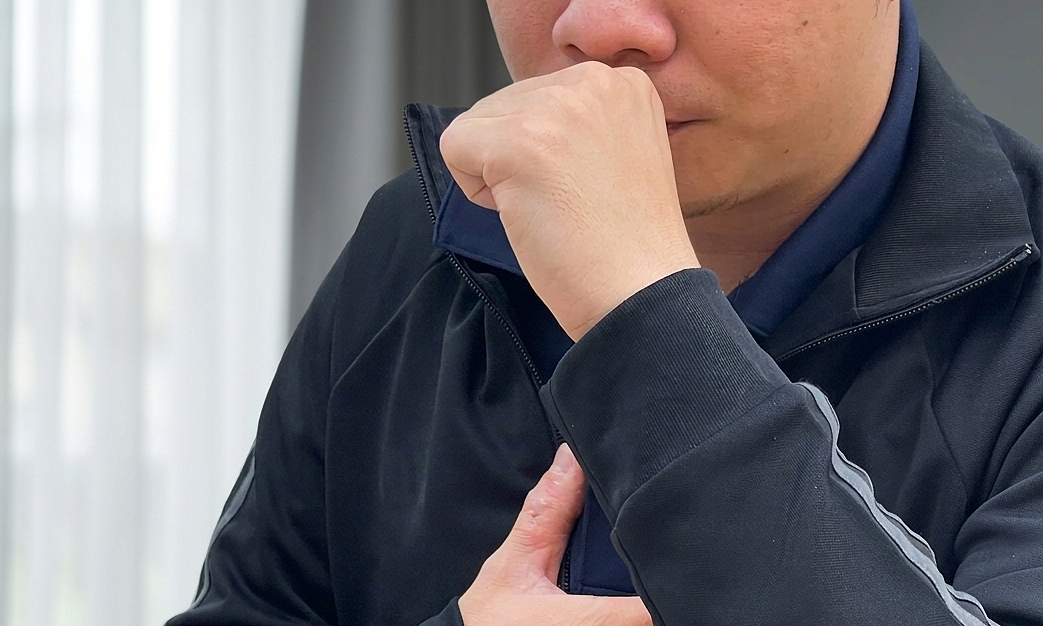
Blurred or darkened vision when standing up suddenly can be linked to a temporary drop in blood pressure. Illustration: AI.
Older adults face a higher risk, but orthostatic hypotension can affect various other groups. Dehydration, resulting from insufficient fluid intake, vomiting, or diarrhea, is a common factor. This condition can also be associated with anemia, cardiovascular disease, autonomic nervous system disorders, or certain medications for high blood pressure, heart conditions, or depression. Individuals recovering from illness, those on prolonged bed rest, or who stand for extended periods are also prone to dizziness when changing positions.
Once the body adjusts blood pressure and normal blood flow to the brain is restored, the sensation of darkening or dizziness typically subsides quickly. Some people experience vision changes for only a few seconds before their sight returns to normal.
However, not all instances of blurred or darkened vision are due to postural changes. According to Verywell Health, sudden vision darkening or blurring can also be linked to hypoglycemia, migraines, eye diseases, or serious conditions such as stroke, transient ischemic attack, and retinal detachment. Therefore, it is important to note the timing, duration, and accompanying symptoms rather than solely attributing this phenomenon to low blood pressure.
When to seek medical attention?
If this phenomenon occurs only occasionally, appears immediately after standing, and quickly resolves upon sitting or lying down, it can often be monitored by adjusting habits.
Conversely, individuals should consult a doctor if it occurs frequently, persists, worsens, or causes near-fainting, fainting, or falls. According to Healthline, fainting can have various causes, including those related to cardiovascular health or blood pressure that require evaluation.
Emergency medical attention is needed if sudden vision darkening or blurring is accompanied by chest pain, shortness of breath, loss of balance, weakness or numbness on one side of the body, difficulty speaking, facial drooping, or vision loss, as these could indicate a serious condition.
To reduce dizziness or darkening of vision when standing, it is advisable to change positions slowly, especially after prolonged lying or sitting. Individuals can sit up for a moment before standing, drink enough water, and avoid sudden movements.
Bao Bao (Compiled by)
| Readers can submit questions about ophthalmological diseases here for a doctor's response. |