The condition you describe is post-laser hyperpigmentation. Laser melasma treatment uses powerful energy pulses to break down melanin, the pigment responsible for melasma. When laser energy interacts with the skin, it creates a degree of micro-trauma in the epidermis or dermis, even with precise adjustments. For individuals prone to hyperpigmentation or with sensitive skin, this can trigger the body's self-protective mechanism, leading melanocyte cells to produce more melanin than usual. As a result, the treated area becomes darker.
Another cause is the selection of an inappropriate laser wavelength or energy level. If the energy is set too high, the laser can generate significant heat in the treated area, damaging skin structures and leading to inflammation and subsequent hyperpigmentation. Conversely, if the energy is too low, melanin may not break down completely, increasing the likelihood of pigment recurrence that is darker than before.
Skin that is inflamed, sensitive from overuse of cosmetics, high-concentration retinoids or acids, or recently sunburned is highly susceptible to developing hyperpigmentation after laser exposure. Asian women face a higher risk due to melanocyte structures being more sensitive to micro-trauma. This is why doctors often advise melasma patients to prepare their skin for two to four weeks before treatment to reduce excessive reactions.
Improper post-laser skin care also contributes to hyperpigmentation. After laser melasma treatment, the skin's protective barrier temporarily weakens, making it vulnerable to sun exposure, heat, friction, or strong active ingredients in cosmetics. If you do not apply sunscreen regularly, expose your skin to intense sunlight, use irritating products, or rub the treated area without guidance, the pigmentation can quickly darken. In many cases, even a few minutes of unprotected sun exposure can cause the laser-treated area to become noticeably darker.
The cause may also stem from treating the incorrect type of pigmentation. Some cases involve mistaking melasma for post-inflammatory hyperpigmentation, freckles, Ota's nevus, or other conditions, leading to the practitioner choosing an unsuitable technology and treatment protocol. Using a strong laser on inflamed skin, for instance, significantly increases the risk of hyperpigmentation.
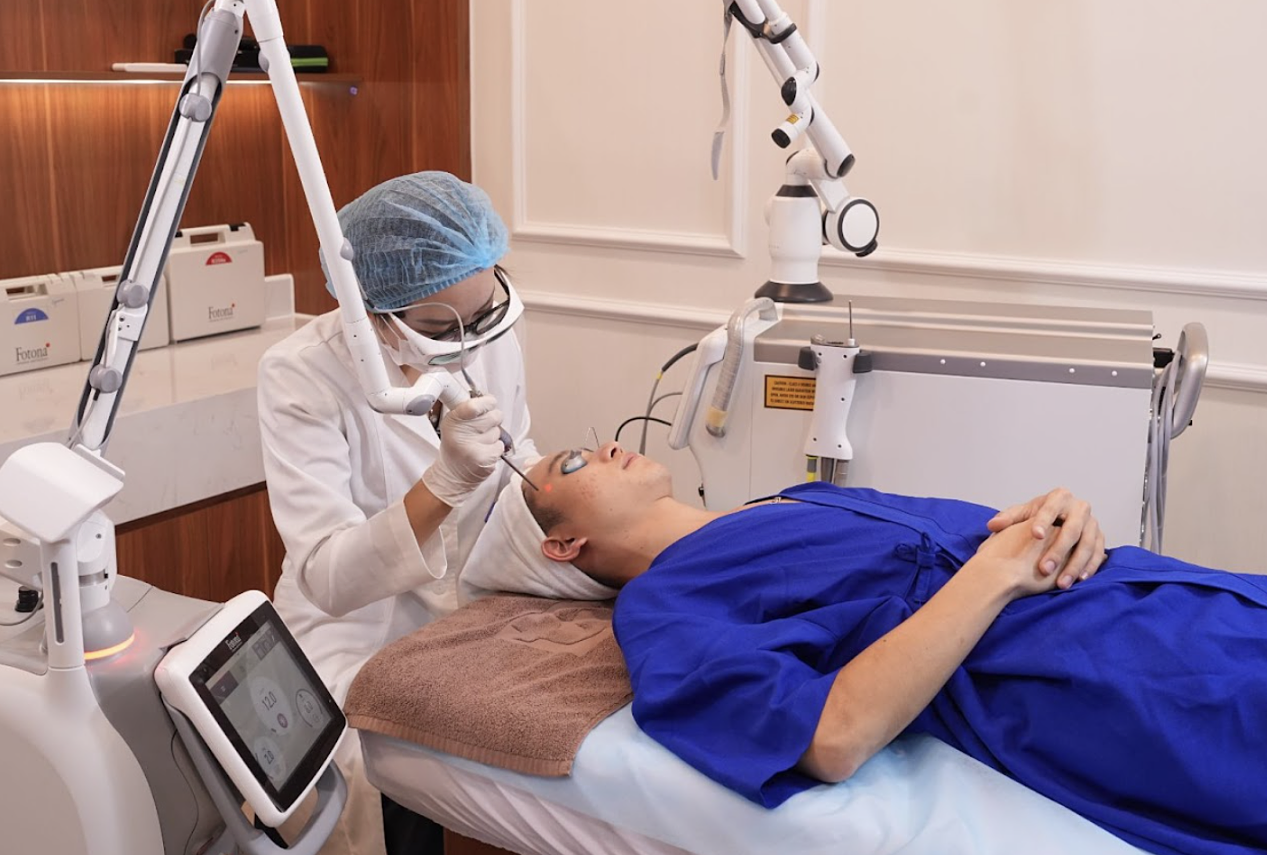 |
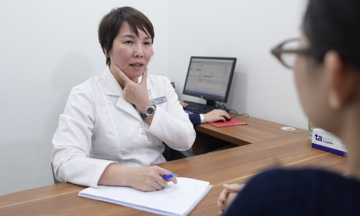
A doctor performs laser melasma treatment on a woman. Illustration: Tam Anh General Hospital
Post-laser hyperpigmentation is largely reversible with proper monitoring and management. In most cases, the pigmentation gradually fades over several weeks to several months as the skin regenerates and stabilizes. Doctors typically prescribe mild brightening, anti-inflammatory, and barrier-repairing products, combined with strict sun protection, to limit new pigment formation. Some severe cases may require low-energy laser treatments or a combination of other technologies, such as pulsed dye laser, long-pulse laser, or mild chemical peels.
You should choose a reputable facility with doctors specializing in dermatology and aesthetics. This ensures a thorough pre-treatment skin assessment, appropriate wavelength and energy selection, and comprehensive post-laser care instructions. Proper skin preparation, adequate moisturizing, sun protection, and adherence to the treatment protocol are crucial for safety and effectiveness.
Dr. Be Thu Thuy
Department of Aesthetics
Tam Anh General Hospital Hanoi
Readers can submit questions about dermatological conditions here for a doctor's response.