On December 17, authorities in Madhya Pradesh confirmed that five child patients, aged three to 15, diagnosed with thalassemia in Satna district, tested positive for HIV. While initial cases were identified during screenings earlier this year, the incident garnered widespread attention only when local media reported it earlier this week, prompting authorities to form an urgent investigation committee.
The Satna incident follows a similar series of medical tragedies that occurred a few weeks prior in Jharkhand state. There, five children under eight also tested positive for HIV after receiving blood transfusions at a public hospital. A common thread among the victims is their diagnosis of thalassemia, a genetic blood disorder that necessitates lifelong blood transfusions for survival.
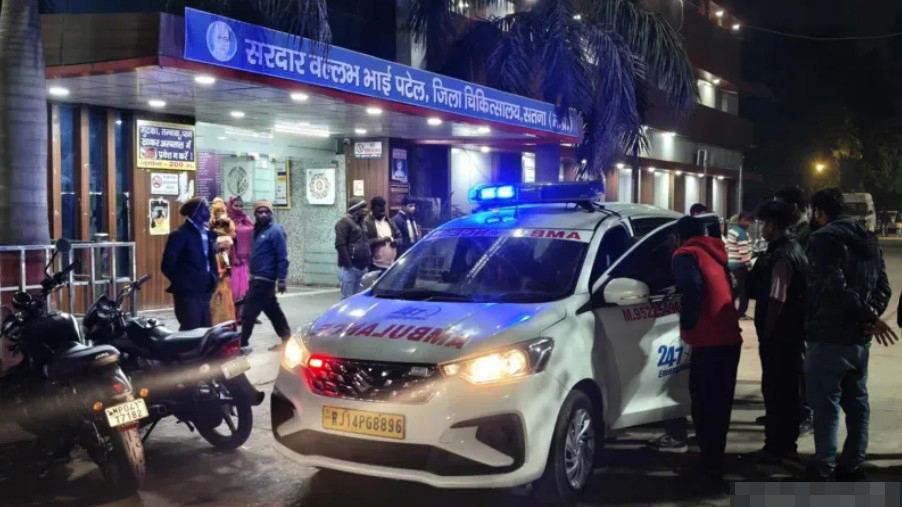 |
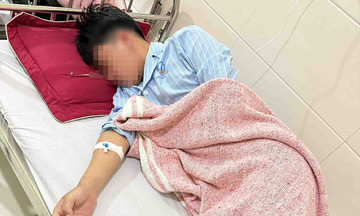
A public hospital in Madhya Pradesh, where five children are receiving treatment. Photo: BBC |
Satish Kumar S, head of Satna district, reported that the affected children received blood from various sources, including both public hospitals and private clinics. Test results indicated that most parents were negative for the virus; the only exception was a three-year-old whose parents were both infected. This finding allowed medical authorities to rule out mother-to-child transmission, narrowing the cause to errors in the blood transfusion process.
Regarding the source of infection, Doctor Manoj Shukla, Director of Health for Satna district, affirmed that all blood units released from the blood bank underwent testing according to government standards. However, he acknowledged the risk posed by donors in the "window period" – a phase where newly infected individuals may not yet test positive on initial screenings but can still transmit the virus.
Beyond the burden of their children's illnesses, the affected families are grappling with severe community stigma. One father in Jharkhand recounted his family's eviction by their landlord after his seven-year-old son's HIV diagnosis, forcing them to relocate to a rural area 27 km from medical facilities. Many other parents expressed despair, witnessing their children struggle with antiretroviral drug side effects like vomiting and chronic exhaustion.
This severe medical incident is not isolated in India. In 2011, Gujarat state recorded 23 children who contracted HIV similarly. Facing public pressure, the Jharkhand state government initially suspended the chief surgeon, the head of the HIV unit, and a lab technician. Additionally, they provided 200,000 rupees (approximately 58 million dong) in aid to each victim's family.
The thalassemia patient community and social activists are urging the Indian Parliament to expedite the passage of the National Blood Transfusion Bill 2025. They anticipate this legislation will strengthen regulations for blood collection and screening, thereby ensuring a safe blood supply for vulnerable patients dependent on regular transfusions.
Government data indicates that India currently has over 2,5 million people living with HIV, with approximately 66,400 new infections recorded annually.
Binh Minh (According to BBC)