Constipation during travel is a common issue, often linked to disruptions in daily routines such as eating and sleeping schedules, altered toilet habits, and an unsuitable diet. Many individuals may also feel uncomfortable using public restrooms or facilities on transport, leading them to delay bowel movements when the urge arises. Consistently postponing can diminish the natural sensation to defecate, thus causing constipation.
Extended periods of travel by airplane, oto, or train, involving prolonged sitting and minimal physical activity, can reduce bowel motility. This lack of stimulation contributes to difficulties in passing stool.
 |
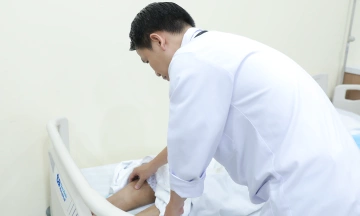
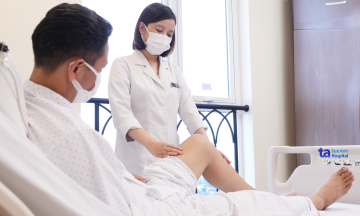
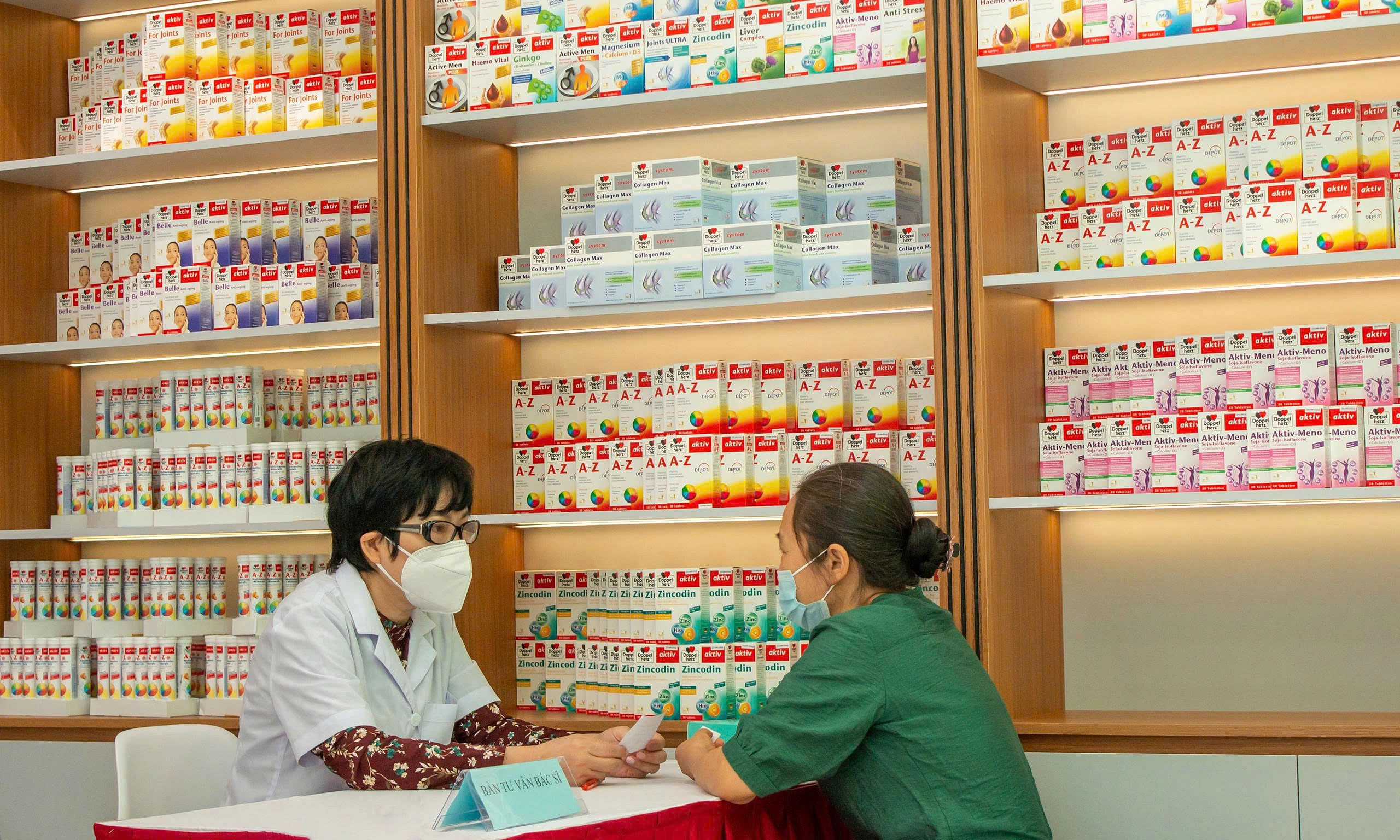
Doctor Hai examining a patient. Illustration: Tam Anh General Hospital |
When traveling, people tend to consume more meat, seafood, fried foods, or processed items, and less fresh vegetables, fruits, and whole grains. A reduction in dietary fiber leads to smaller, harder stools.
Many travelers also limit their fluid intake to avoid using restrooms during transit. Simultaneously, hot weather, extensive walking, or alcohol consumption can increase the body's need for hydration. Insufficient water intake negatively impacts bowel function, increasing the risk of constipation.
To mitigate constipation while traveling, try to maintain consistent eating and sleeping times, and drink enough water according to your body's needs. Meals should include plenty of green vegetables, fruits, legumes, and whole grains to boost fiber intake. When increasing fiber, ensure adequate water consumption to support regular bowel movements and prevent constipation.
Do not delay bowel movements when you feel the urge. During long journeys, take opportunities to stand up and walk around, avoiding prolonged sitting. Incorporating more walking or light physical activity can also help maintain better intestinal function.
Avoid self-medicating with laxatives without a doctor's prescription. If constipation is persistent, recurs frequently, and affects your daily life, consult a doctor for examination to identify the cause. In cases of severe abdominal pain, bloating, vomiting, and inability to pass stool or gas, seek immediate medical evaluation as these symptoms could indicate an intestinal obstruction.
Doctor Nguyen Thi Thu Hai
Specialist in Gastroenterology - Liver, Gallbladder, Pancreas
District 7 General Clinic