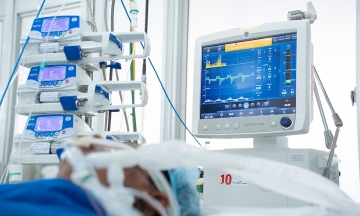
Dr. Lai Tan Tai, from the Nephrology - Dialysis Unit at Tam Anh Clinic District 7, states that anemia is a common complication in patients with advanced chronic kidney disease, especially those undergoing dialysis. If undetected and untreated, patients experience fatigue, reduced physical activity, and a diminished quality of life.
Dr. Tai highlights the main reasons hemodialysis patients are prone to anemia:
**Kidneys reduce red blood cell hormone production**
Healthy kidneys not only filter waste but also produce erythropoietin (EPO), a hormone signaling the bone marrow to create red blood cells. When kidneys are severely damaged, EPO production decreases, causing the bone marrow to receive insufficient signals for red blood cell formation.
Patients undergoing regular hemodialysis can still develop anemia due to underlying kidney dysfunction. This condition often leads to fatigue, weakness, and shortness of breath during exertion.
**Blood loss during hemodialysis**
During hemodialysis, blood is drawn from the body, filtered by a machine, and then returned. A small amount of blood may remain in the tubing and filter system or be lost at the end of a session. Frequent blood draws for tests and health monitoring also contribute to blood loss.
If this situation persists, iron reserves can deplete, leaving the body with insufficient raw material to produce hemoglobin and red blood cells. The risk of anemia further increases if patients experience bleeding at vascular access sites or gastrointestinal hemorrhage.
**Iron deficiency or inefficient iron utilization**
Iron is essential for the body to produce hemoglobin and red blood cells. In hemodialysis patients, iron levels can decrease due to repeated blood loss during treatment, blood draws for tests, or inadequate dietary intake.
Chronic inflammation in patients with chronic kidney disease can cause the body to sequester iron in storage cells, making it difficult for iron to reach the bone marrow for red blood cell production. Consequently, patients may have iron in their bodies, but insufficient amounts are available for use.
**Chronic inflammation and shortened red blood cell lifespan**
Chronic kidney disease and the dialysis process can involve persistent inflammation, which impacts red blood cell production in the bone marrow and reduces the body's iron utilization. This makes anemia difficult to improve, even with iron supplementation.
Red blood cells in patients with chronic kidney disease may have a shorter lifespan than normal. When red blood cells are destroyed faster than the bone marrow can produce them, the red blood cell count decreases, leading to persistent anemia.
Patients with end-stage chronic kidney failure experiencing prolonged oral bleeding, bleeding at vascular access sites, or black stools may show signs of blood loss requiring attention. Patients should report these symptoms to their doctor for examination and diagnosis of the cause.
 |
Dr. Tai examines a patient with chronic kidney disease and anemia. *Photo: Tam Anh Clinic District 7* |
According to Dr. Tai, the long-term treatment goal for hemodialysis patients extends beyond completing scheduled sessions to managing associated complications such as anemia, mineral and bone disorders, nutritional deficiencies, blood pressure, and cardiovascular disease. This approach aims to maintain physical condition, mobility, and overall quality of life.
Managing anemia in chronic kidney disease patients involves more than just iron supplementation or blood-stimulating medications. Doctors must identify factors causing reduced hemoglobin or poor treatment response. Patients should inform their doctor if they frequently experience fatigue, dizziness, weakness during activity, rapid heartbeat, or shortness of breath during exertion.
Hemodialysis patients should regularly undergo complete blood count and iron level checks. Based on results, doctors adjust iron supplementation, red blood cell stimulating agents (ESA), and investigate causes of blood loss, inflammation, or nutritional deficiencies; medication dosages are individualized according to response. The dialysis system includes the dialyzer, a reverse osmosis (RO) water treatment system, the filter, and infection control procedures. During each session, the medical team monitors blood pressure, weight, circulation, and the patient's condition before, during, and after dialysis to promptly adjust parameters.
Suitable patients may be considered by doctors for hemodiafiltration online (HDF Online). According to Dr. Tai, this dialysis method simultaneously uses diffusion and convection mechanisms, more effectively removing certain middle-molecular-weight substances from the blood. Research suggests HDF Online can help improve inflammation and manage anemia in hemodialysis patients, thereby supporting a reduced need for red blood cell stimulating agents in some cases.
Patients need to ensure proper nutrition to provide the body with sufficient blood-forming materials. They should not self-impose excessive dietary restrictions or self-supplement iron, vitamins, or blood-boosting medications, as needs depend on the disease stage, test results, and dialysis method.
Dinh Lam
| Readers can submit questions about kidney disease here for a doctor's response |