Hepatitis D virus (HDV) cannot survive and replicate independently. It must utilize the outer shell of the hepatitis B virus (HBV) to invade and multiply within liver cells. This means HDV only appears in individuals already infected with HBV, especially those with chronic HBV infection. Co-infection with HDV and HBV significantly increases the risk of cirrhosis and liver cancer.
According to the World Health Organization (WHO), an estimated 5% of the global population, or about 12 million people, are infected with HDV. Compared to hepatitis B virus infection alone, HBV-HDV co-infection typically leads to faster and more severe disease progression. HDV accelerates hepatitis and the fibrosis process, causing liver function to decline more rapidly than normal.
In some cases, undetected and untreated HBV-HDV co-infection can progress to cirrhosis within 5 years and liver cancer within 10 years. In contrast, this process usually unfolds more slowly in individuals with only hepatitis B virus infection.
 |
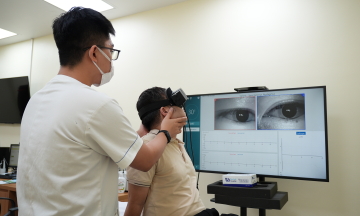
Medical staff conducting a hepatitis D virus test. Photo: Tam Anh General Hospital |
High-risk groups for HBV-HDV co-infection include injecting drug users and hemodialysis patients. HDV is less common, and its symptoms are often non-specific and progress silently over a long period. Consequently, many individuals only discover the virus after their liver has sustained significant damage.
Co-infection with HDV and HBV can manifest through symptoms such as persistent fatigue, loss of appetite, bloating, indigestion, or a dull ache in the right upper quadrant. These signs indicate severe liver damage.
For individuals with chronic HBV infection who also have persistently elevated liver enzymes, poor treatment response, or early signs of cirrhosis, doctors may recommend additional HDV testing to avoid overlooking the infection. This allows patients to be monitored before complications arise and facilitates early identification of cases at risk of rapid disease progression due to HDV co-infection.
Prevention measures for HBV, which also help prevent HDV, include: not sharing needles, getting the hepatitis B vaccine, using condoms during sexual intercourse, and not sharing personal items like razors or nail clippers.
Dr. Vu Truong Khanh
Head of Gastroenterology - Hepatobiliary - Pancreatic Department
Tam Anh General Hospital Ha Noi