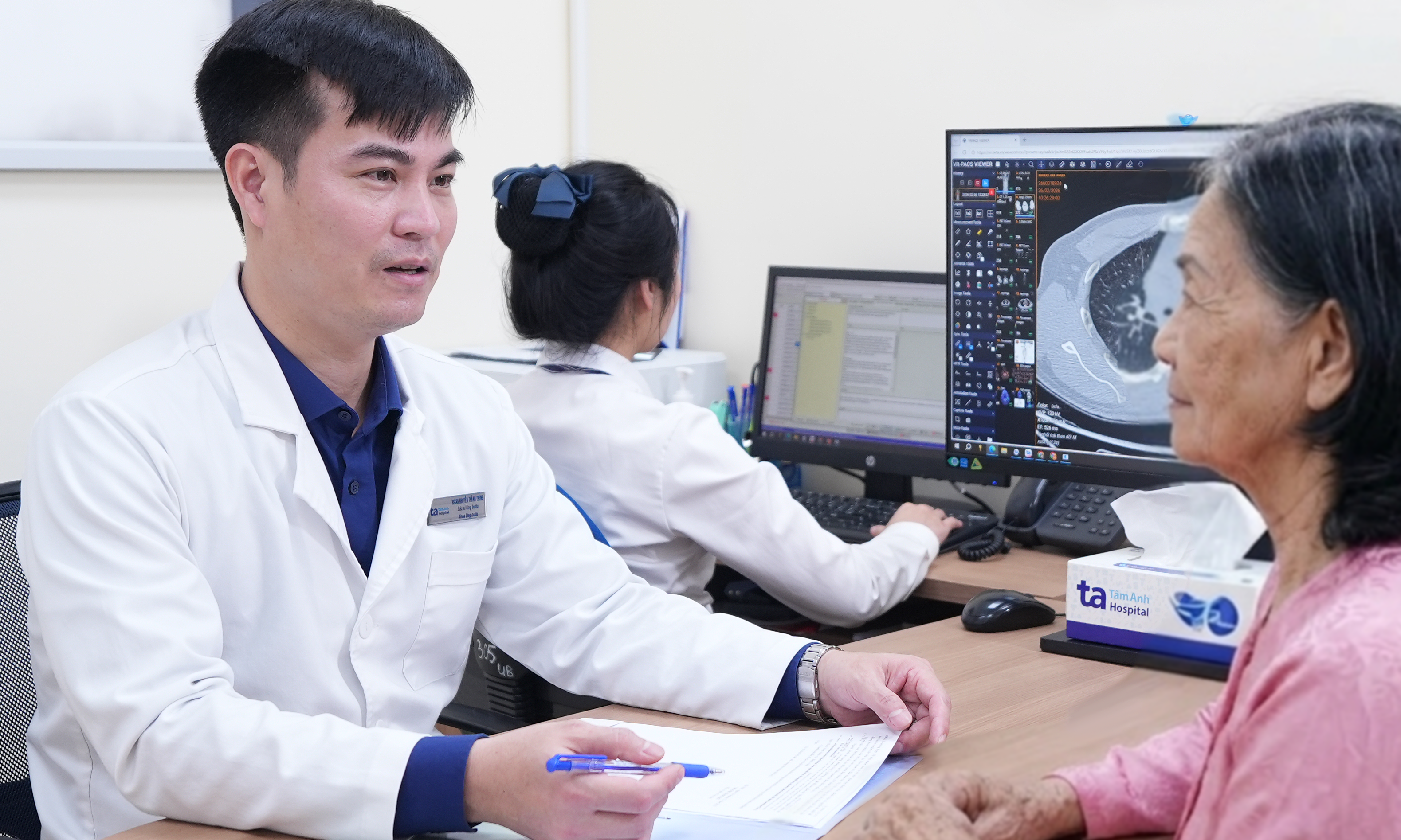
Osteoarthritis, a condition involving damage to joint cartilage and subchondral bone, often includes inflammation and reduced joint fluid. According to the World Health Organization (WHO), in 2019, approximately 73% of people aged over 55 suffered from joint diseases, with 60% of these being women. The knee joint is the most susceptible to degeneration, accounting for around 365 million cases, followed by the hip and hand joints. The WHO also estimates that 344 million people experience moderate to severe musculoskeletal diseases, leading to joint pain and reduced mobility. Normally, smooth joint cartilage allows bones to move effortlessly. However, over time and due to various factors, this cartilage layer gradually erodes, becoming rough and thin. Concurrently, the subchondral bone also undergoes structural changes, becoming fibrotic, losing mineral density and strength, and even developing small cracks. During movement, joint surfaces rub against each other, causing pain and restricted movement, explains Doctor Hoang Quyet Tien from the Medical Information Center, Tam Anh General Hospital, TP HCM.
Doctor Tien advises older adults on how to reduce the frequency and intensity of joint pain by adjusting certain daily habits.
Regular exercise
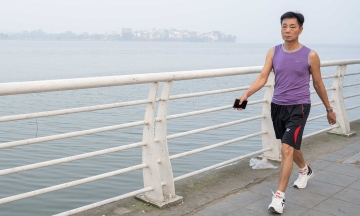
Many tend to limit movement when experiencing joint pain. However, proper exercise helps joints function more effectively. Cartilage acts as a protective cushion, reducing shock and preventing friction between bone ends during joint movement. Cartilage lacks blood vessels and nerves, so it does not receive direct blood supply. Instead, it absorbs nutrients through osmosis from the subchondral bone, synovial membrane, and joint fluid.
Moderate exercise can stimulate the production of joint fluid, which nourishes cartilage, lubricates joints, and strengthens surrounding muscles, thereby reducing pain and preventing joint stiffness.
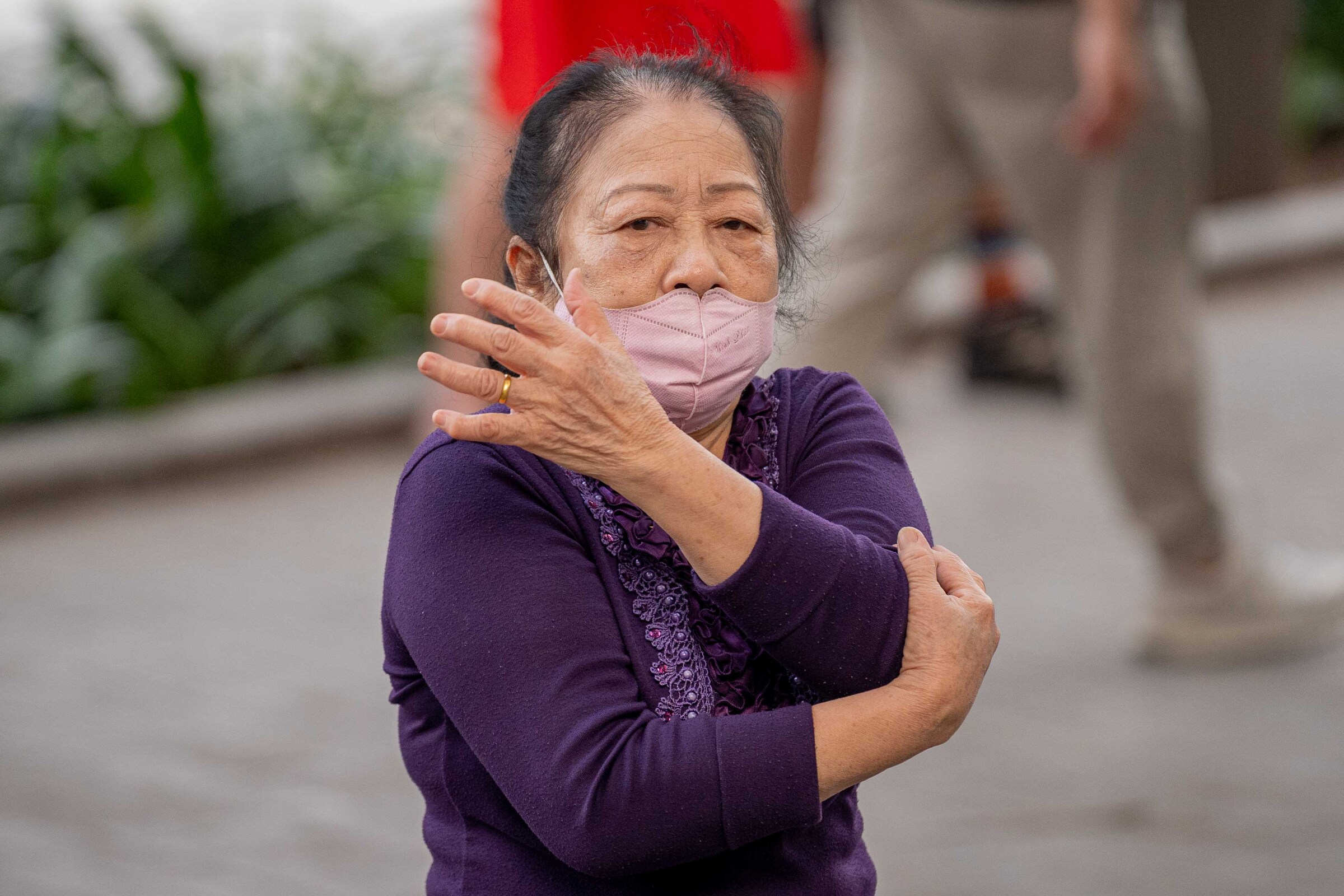 |
Regular and appropriate exercise helps older adults reduce joint pain. *Illustration: Hoang Giang*. |
Maintain a healthy weight
Being overweight increases the risk of joint pain, especially in the knee. As body weight rises, mechanical pressure on joint cartilage also increases, making cartilage more prone to wear and damage. Maintaining a body mass index (BMI) between 18,5 and 22,9 through a balanced diet and regular exercise helps reduce the burden on joints.
Correct posture and movement
Doctor Tien notes that certain daily habits, such as squatting, sitting in one place for too long, crossing legs, cracking knuckles, or twisting the back or neck excessively, may offer temporary comfort but inadvertently accelerate joint damage. Individuals with joint conditions should avoid these habits to protect their musculoskeletal system.
Supplementing joint-protecting nutrients
Individuals with musculoskeletal conditions should maintain a balanced diet and consider supplementing with specific joint nutrients, such as undenatured type II collagen, collagen peptides, eggshell membrane, chondroitin sulfate, and turmeric extract. Regular use of these nutrients can help nourish and support cartilage regeneration, reduce pain, and maintain joint flexibility.
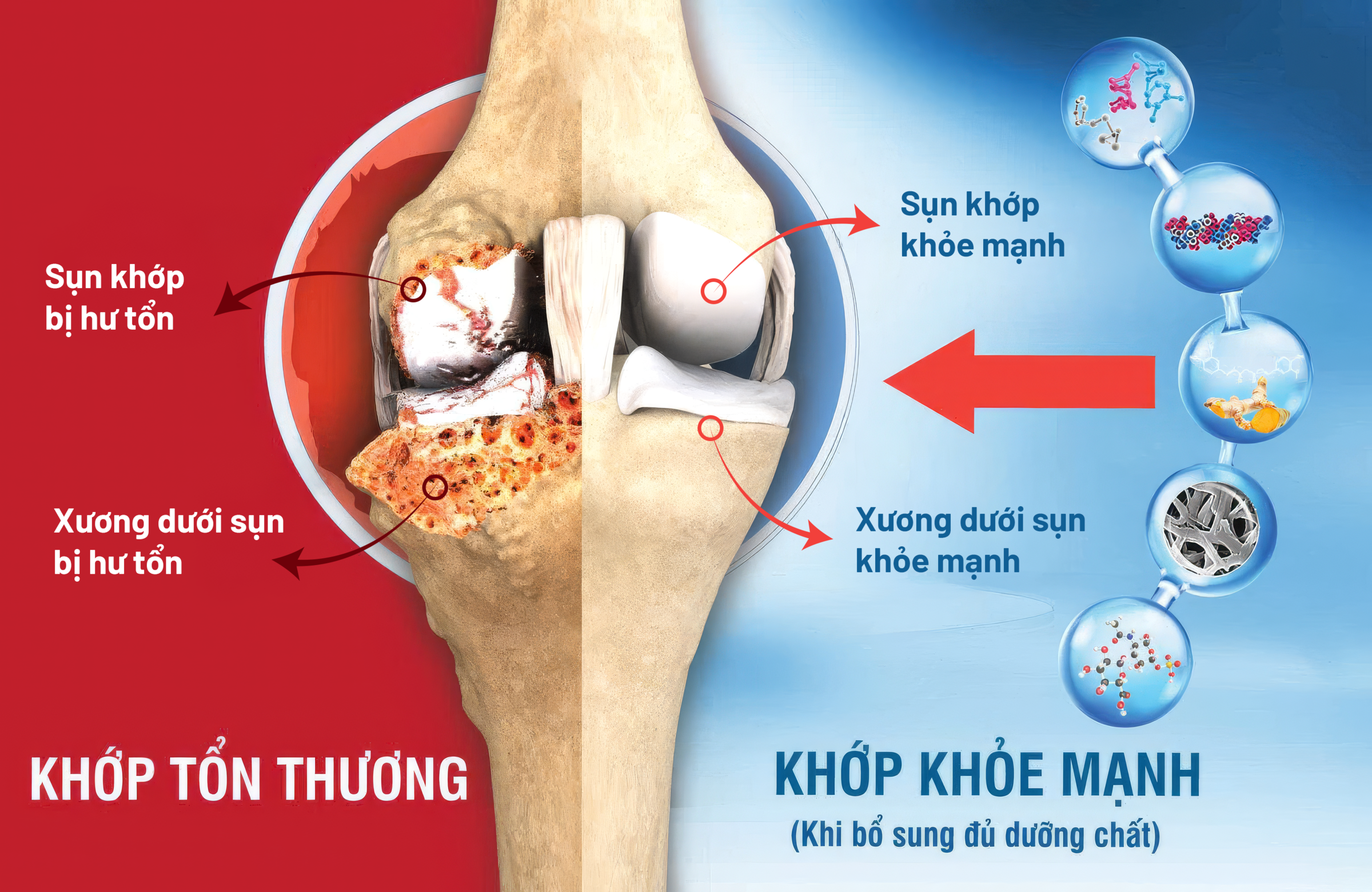 |
Structure of a healthy joint and a damaged joint. *Photo: Eco Pharmaceutical Joint Stock Company*. |
Musculoskeletal diseases are chronic conditions that are challenging to cure completely, but they can be prevented and their progression slowed. Individuals experiencing joint pain lasting over two weeks, affecting daily activities, or accompanied by symptoms such as fever, swelling, or morning joint stiffness, should seek medical consultation for proper diagnosis and treatment.
Dinh Dieu
| Readers can submit questions about musculoskeletal conditions here for a doctor's response. |