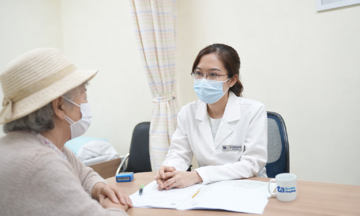
According to Doctor Nguyen Phuong Tu, a lecturer in the Obstetrics and Gynecology Department at Hanoi Medical University, human papillomavirus (HPV) is a type of virus that causes warts in humans and is transmitted sexually. Over 200 types of HPV have been identified. While HPV is cleared from the body in most cases, persistent infection can lead to conditions such as genital warts, pre-cancers, and cancers of the cervix, anus, and genitals in both men and women.
Genital warts are a common sexually transmitted infection, affecting both men and women, most often adolescents and young adults. A survey by the Infectious Diseases Society of America in the US, conducted on sexually active individuals aged 14 to 59 between 2013 and 2014, found the incidence of new HPV infections in women aged 30-39 was 38,9%, and 35,1% for those aged 40-49. Furthermore, the American Cancer Society in the US estimates that by 2025, women aged 30-44 saw an annual increase of 1,7% in cervical cancer incidence from 2012 to 2019.
 |
Middle-aged women represent an age group with a significant HPV infection rate. Photo: Photo AC
Typically, it takes 15 to 20 years for abnormal epithelial cells to develop into cervical cancer. However, in women with weakened immune systems, such as untreated HIV-positive individuals, this process can accelerate, occurring in just 5 to 10 years. Initial changes in cervical cells and pre-cancers are often asymptomatic. Symptoms of cervical cancer include: abnormal vaginal bleeding, bleeding between periods, longer than normal periods; bleeding after or during intercourse, after menopause, after using the restroom, or after a gynecological exam; pain in the lower abdomen or pelvis; pain during sexual intercourse; unusual vaginal discharge. Women experiencing these symptoms should consult a specialist.
Doctor Tu advises early HPV prevention to reduce the risk of HPV-related diseases that can lead to costly treatments. There are various levels of HPV prevention, with recommended measures such as:
Lifestyle and behavioral changes: Avoid smoking, increase physical activity, maintain proper nutrition; and practice safe, healthy sexual relations.
HPV vaccination.
Regular cervical cancer screening: Screening is recommended for women aged 21 to 65, following medical expert guidelines. Patients should also consult a healthcare professional to detect invasive cancers at an early stage and receive appropriate management.
"Proactive prevention and regular screening are key to minimizing the risk of cervical cancer and protecting women's long-term health", Doctor Tu states.
Hai My
HPV is a human papillomavirus. HPV infection is globally prevalent. Most infections are asymptomatic and resolve spontaneously, but persistent infection can lead to diseases, pre-cancers, and cancers in both men and women. Individual action is essential to raise prevention awareness in the community "For a Vietnam free from the burden of HPV." Consult a healthcare professional and learn more about HPV at hpv.vn.