The liver plays crucial roles, including nutrient metabolism, detoxification, energy storage, and bile production to aid digestion. This organ directly participates in the body's fat metabolism.
With liver conditions such as fatty liver, hepatitis, or cirrhosis, the liver's ability to metabolize fats diminishes. This leads to incomplete fat breakdown and easy accumulation within liver cells. This situation exacerbates fatty liver, raises blood cholesterol and triglyceride levels, causes metabolic disorders, and accelerates the progression of liver damage.
A diet high in oils and fats, especially animal fats and fried foods, forces the liver to work harder to break down lipids and produce numerous metabolic byproducts. This increases the metabolic burden on the liver. Over time, liver cells rapidly weaken.
The liver produces bile, which aids in digesting dietary fats. When liver function declines, it impairs bile secretion and fat digestion, leading to digestive issues like bloating and indigestion. Fat accumulation in the liver, combined with factors like alcohol, tobacco, and stress, can overactivate Kupffer cells (resident immune cells in the liver), causing them to release inflammatory substances.
 |
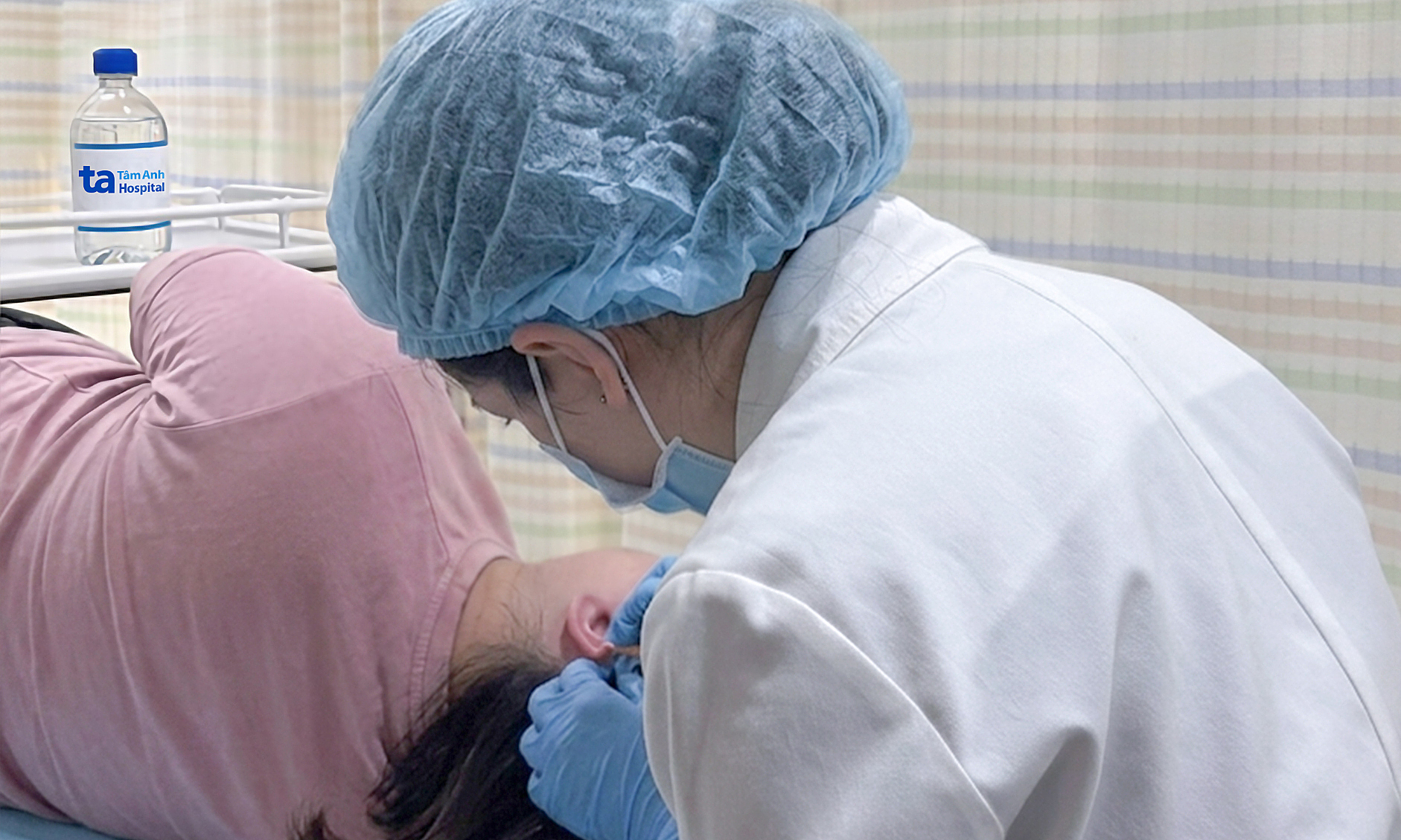
A doctor at Tam Anh General Hospital examines a patient. Illustration: Provided by the hospital.
The body still needs fats for energy and to help absorb fat-soluble vitamins like A, D, E, and K. You should reduce your daily fat intake and choose appropriate types of fats, rather than eliminating this nutrient group entirely. Prioritize unsaturated fats found in vegetable oils such as olive oil, soybean oil, and canola oil, as well as omega-3 and omega-6 found in fatty fish and nuts. Limit animal fats, animal skin, and processed foods that contain high levels of saturated and trans fats.
To protect the liver, in addition to dietary adjustments, patients should maintain a healthy lifestyle: limit alcohol, get enough sleep, maintain a healthy weight, and increase physical activity. You can supplement with natural extracts like s. marianum and wasabia to help control Kupffer cell activity, thereby limiting the formation of inflammatory substances, protecting liver cells, and contributing to preventing the progression of fatty liver, cirrhosis, and other conditions. Additionally, patients should undergo regular health check-ups to monitor liver function and detect any abnormalities early.
Master, Doctor Doan Vinh Binh
Medical Information Center
Tam Anh General Hospital Ho Chi Minh City
| Readers can submit questions about digestive diseases here for doctors to answer. |