Obesity, defined by the World Health Organization (WHO) as a body mass index (BMI) of 30 or higher, significantly impacts reproductive health. It not only hinders natural conception but also negatively affects the success rates of assisted reproductive technologies like in vitro fertilization (IVF). For individuals with a BMI of 38,2, such as Lan Phuong from Ha Nam, delaying IVF for several months to achieve weight loss is a crucial recommendation. Managing weight before IVF can substantially increase the chances of successful pregnancy and reduce potential pregnancy complications.
Obesity in women poses several challenges to fertility and IVF outcomes. It often leads to ovulation disorders, hormonal imbalances, and reduced egg quality, all of which impair embryo development and significantly lower the rates of pregnancy, implantation, and live births. Furthermore, during IVF treatment, obese individuals typically require higher doses of ovarian stimulation medications, yet their response to these drugs is often less favorable compared to those with a healthy weight.
The risks associated with obesity extend beyond conception, impacting the entire pregnancy journey. Obese women face a two to three times higher risk of developing conditions such as preeclampsia and gestational hypertension. The likelihood of gestational diabetes also increases sharply due to insulin resistance. Other complications include a higher incidence of stillbirth, premature birth, placental abruption, and placenta accreta. Additionally, there is an increased rate of cesarean sections and a greater risk of postpartum complications like infection and hemorrhage.
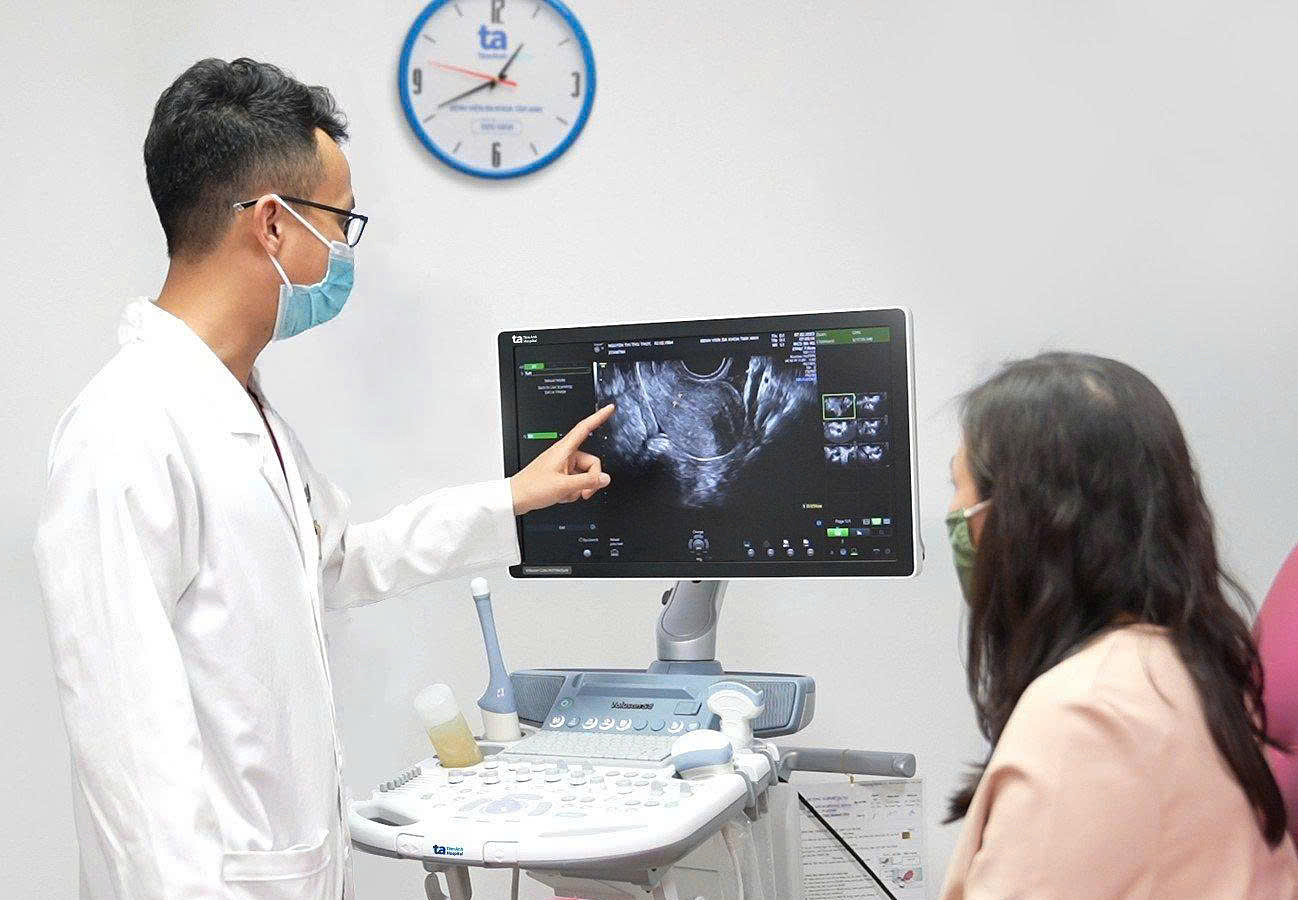 |
Dr. Do consults a patient with infertility. Illustration: Tam Anh General Hospital |
Children born to obese mothers also face elevated risks. These include metabolic disorders, birth defects, and being excessively heavy, which can lead to obstetric trauma during delivery or early childhood obesity. A modest weight loss of 5-10% of body weight can significantly improve reproductive health. This can help stabilize menstrual cycles, enhance ovulation function, and improve egg quality. In some cases, individuals who have experienced years of infertility have achieved natural pregnancy after successfully losing weight.
Weight loss is also a vital therapeutic strategy for those with polycystic ovary syndrome (PCOS). For obese individuals planning IVF, appropriate weight reduction offers multiple benefits: it can decrease the required dosage of egg stimulation drugs, thereby lowering treatment costs. It also increases the number of mature eggs, improves endometrial quality, enhances the chances of embryo implantation, and reduces the risk of ovarian hyperstimulation syndrome.
It is essential to pursue weight loss under professional medical guidance. Avoid drastic or negative weight loss methods, as these can disrupt hormonal balance and even lead to amenorrhea. A recommended weight loss plan typically involves a scientific nutritional approach, focusing on limiting sugar and unhealthy carbohydrates while increasing intake of green vegetables and plant-based protein. Moderate exercise, such as: brisk walking, yoga, or aerobics, for at least 150 minutes each week, is also advised. Adequate sleep and stress reduction are crucial, as these factors directly influence reproductive hormones.
Women considering IVF should undergo a BMI check and seek nutritional counseling three to six months before treatment. For individuals classified as class III obese (with a BMI over 40), consultation with an endocrinologist or weight loss surgery may be necessary prior to commencing IVF.
MSc. Dr. Nguyen Quang Do
Center for Reproductive Assistance
Tam Anh General Hospital Hanoi
| Readers can submit questions regarding infertility here for a doctor's response. |