In many countries globally, women generally have a higher average life expectancy than men. Experts attribute this difference not only to biological factors like hormones and genes but also to lifestyle, healthcare habits, and varying risks of accidents or illnesses.
This trend is also observed in Vietnam. Data from the General Statistics Office for 2024 indicates that the average life expectancy for women reached 77,3 years, approximately 5 years higher than for men, whose average was 72,3 years.
Estrogen hormone protects cardiovascular health
Hormonal differences represent a significant distinction between the sexes. In premenopausal women, estrogen helps protect blood vessel walls, improves cholesterol levels, and supports vascular function. This contributes to a later onset of heart disease compared to men of the same age. However, after menopause, as estrogen levels decline, this protective advantage wanes, and the risk of heart disease in women rises.
Women generally adopt healthier lifestyles
Experts assert that biological factors alone do not fully explain the life expectancy gap. Men typically exhibit higher rates of smoking and alcohol consumption, often work in hazardous environments, and tend to neglect regular health check-ups. They frequently delay seeking treatment for unusual symptoms. These behavioral patterns elevate their risk of cardiovascular disease, cancer, accidents, and premature mortality.
Conversely, women generally demonstrate greater health consciousness. They are more likely to undergo regular health check-ups and seek prompt medical attention for unusual symptoms. This proactive approach often leads to early disease detection, enhancing treatment efficacy and contributing to a longer lifespan.
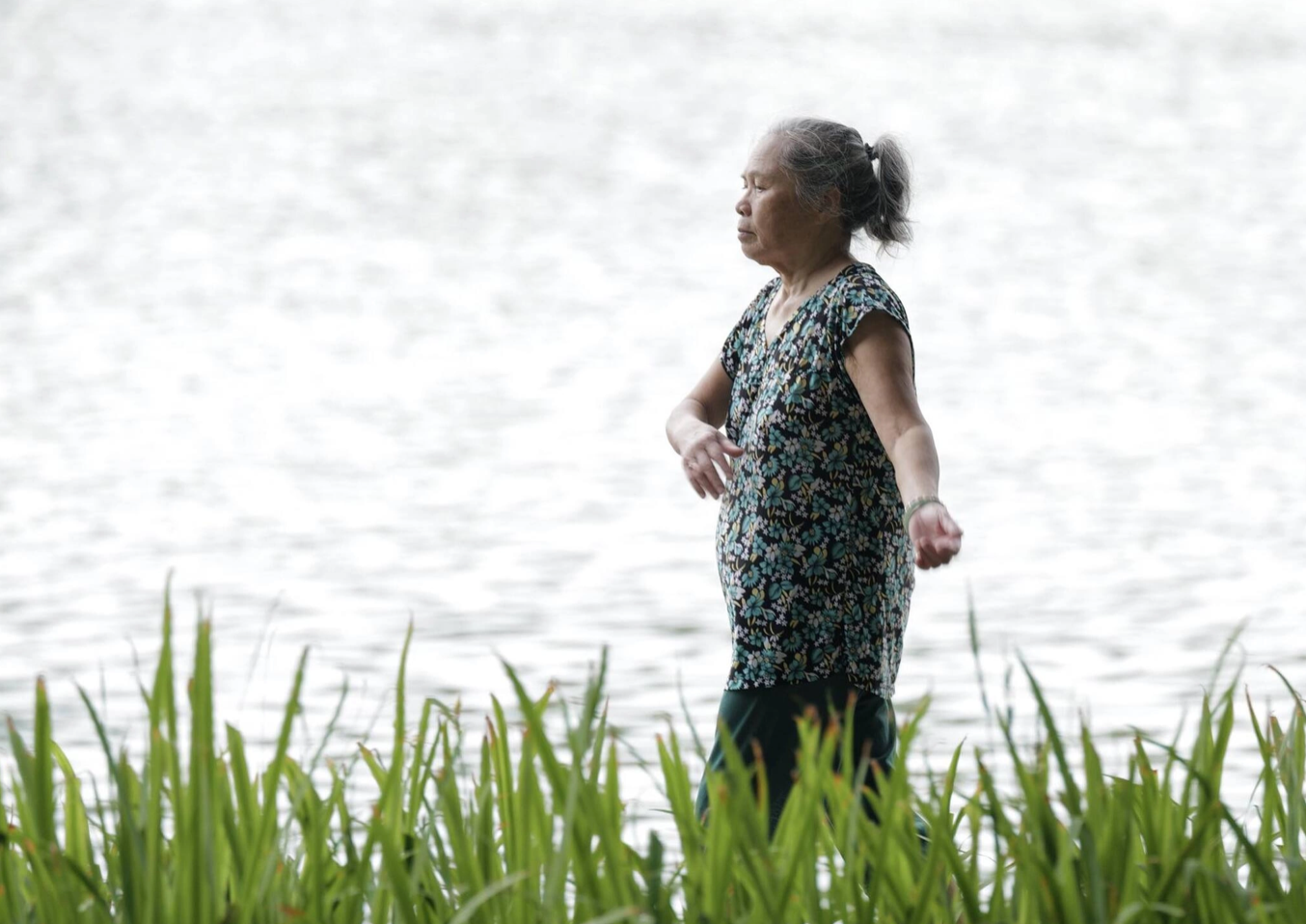 |
Elderly people in Hanoi exercise by Ho Guom lake. *Ngoc Thanh*
Two X chromosomes provide a 'backup layer'
The presence of two X chromosomes in women, compared to one in men, offers a genetic advantage. Having two copies of numerous genes on the X chromosome can mitigate the expression risk of certain genetic diseases. This genetic redundancy is believed to be a contributing factor to women's extended longevity.
Stronger immune system activity
A 2024 review article in Nature Reviews Immunology, which synthesized findings from various studies, indicates that women generally mount stronger immune responses than men. This enhanced immune function helps the body more effectively eliminate pathogens, reducing mortality risk from certain infectious diseases. However, this robust immune activity also correlates with a higher incidence of autoimmune diseases in women.
While women often live longer, increased longevity does not automatically equate to better health. They tend to experience chronic conditions such as osteoporosis, arthritis, or dementia for extended periods.
Experts emphasize that the objective extends beyond mere longevity; it encompasses healthy living. Achieving this requires maintaining a healthy lifestyle, which includes a balanced diet, regular exercise, adequate sleep, abstaining from smoking, and effective management of chronic conditions.
Bao Bao (Compiled)