Difficulty falling asleep
Tossing and turning for a long time or waking multiple times during the night are typical signs of poor sleep quality. Individuals often take over 30 minutes to fall asleep, wake frequently, and struggle to fall back asleep, according to Health.
Short-term insomnia is typically linked to stress, travel, illness, or major life changes. Those experiencing chronic insomnia (three months or longer) should seek medical consultation for timely treatment.
Daytime grogginess
Excessive daytime sleepiness is a hallmark of poor sleep quality. Accompanying symptoms include dozing off during meetings, studying, or work; difficulty concentrating on simple tasks; and a heavy reliance on caffeine. Chronic daytime sleepiness can impair reaction time and judgment.
Frequent nighttime urination
Nocturia—waking to urinate one or more times during the night—is often attributed to excessive fluid intake, age, or pregnancy. However, according to Everyday Health, sleep apnea can also be a cause. Apneic episodes interrupt breathing, increase pressure on the heart, and stimulate the heart to release atrial natriuretic peptide (ANP). This hormone prompts the kidneys to excrete more sodium and water, leading to frequent nighttime urination.
Waking with a headache
According to Very Well Health, people with sleep deprivation often experience headaches, especially in the morning. This occurs because poor sleep quality leads to erratic functioning of organs such as the brain, respiratory system, heart, and liver.
Poor sleep quality, often due to sleep apnea or snoring, causes abnormal breathing. This leads to carbon dioxide buildup and reduced oxygen levels in the brain, resulting in headaches upon waking.
Becoming more emotional than usual
Sleep deprivation intensifies the amygdala's response to negative stimuli while weakening brain regions that regulate these reactions. Emotional control centers become more reactive, leading to irritability, heightened emotions, and negative shifts in personality.
Intense snack cravings
Cravings for snacks, particularly high-energy foods like sweets, potato chips, and ice cream, often intensify with insufficient sleep. Sleep deprivation imbalances ghrelin and leptin, two hormones that regulate appetite. This imbalance sends incorrect hunger and fullness signals, causing cravings even after a full meal.
Frequent illness
Sleep and the immune system are closely linked, and the rapid impact of sleep deprivation on immune function is evident. Even after one night of poor sleep, individuals may feel tired and struggle to concentrate. Prolonged sleep deprivation disrupts immune function, increasing susceptibility to infections, causing hormonal imbalances, and worsening existing health conditions.
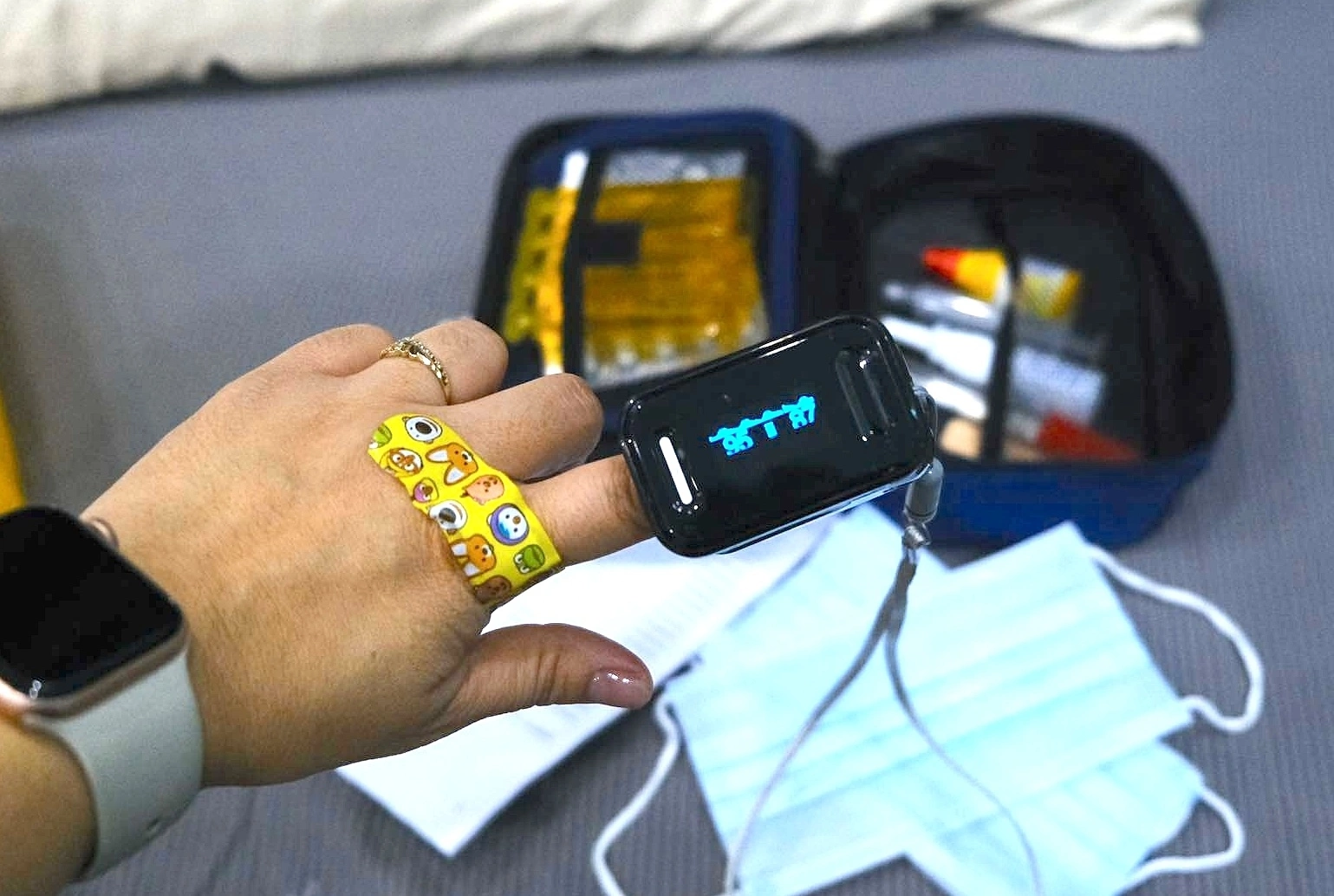 |
Frequent illness is a sign of insomnia. _Anh Chi_ |
To improve sleep quality, individuals should aim for 7 to 9 hours of sleep each night. Regular exercise, at least 30 minutes daily, is beneficial, but avoid intense workouts right before bedtime. Refrain from eating heavy meals in the evening, ensuring at least two hours between dinner and sleep. Avoid using phones in the bedroom, prioritizing a quiet, dimly lit, and cool sleeping environment.
Anh Chi (Compiled)