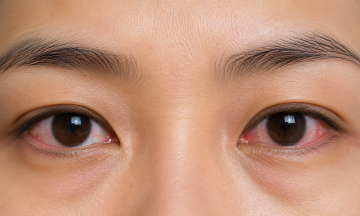
Many people believe blurry vision indicates worsening nearsightedness or a serious medical condition. However, dry eyes are also a common cause of temporary blurred vision, especially for those who frequently use computers, phones, or work in air-conditioned environments. This occurs because the disrupted tear film reduces visual quality.
For clear vision, the cornea must be covered by a thin tear film, which lubricates and protects the eye's surface, creating a stable optical environment for light to accurately focus on the retina.
According to Healthline, when the eyes do not produce enough tears or tears evaporate too quickly, this film becomes unstable. The corneal surface loses its smoothness, causing light to scatter instead of focusing correctly on the retina, leading to blurry vision. This is also why many people notice clearer vision after blinking or using artificial tears, but it quickly blurs again if dry eye is not improved.
Dry eyes not only cause blurry vision but are often accompanied by other symptoms such as: a gritty sensation, feeling of a foreign body or sand in the eyes, burning, stinging, watery eyes, light sensitivity, and eye fatigue. According to WebMD, these symptoms often become more pronounced after extended periods of reading, working on computers, using phones, or being in environments with air conditioning, strong winds, or dry air. Some people also experience discomfort when wearing contact lenses because the eye's surface lacks sufficient moisture.
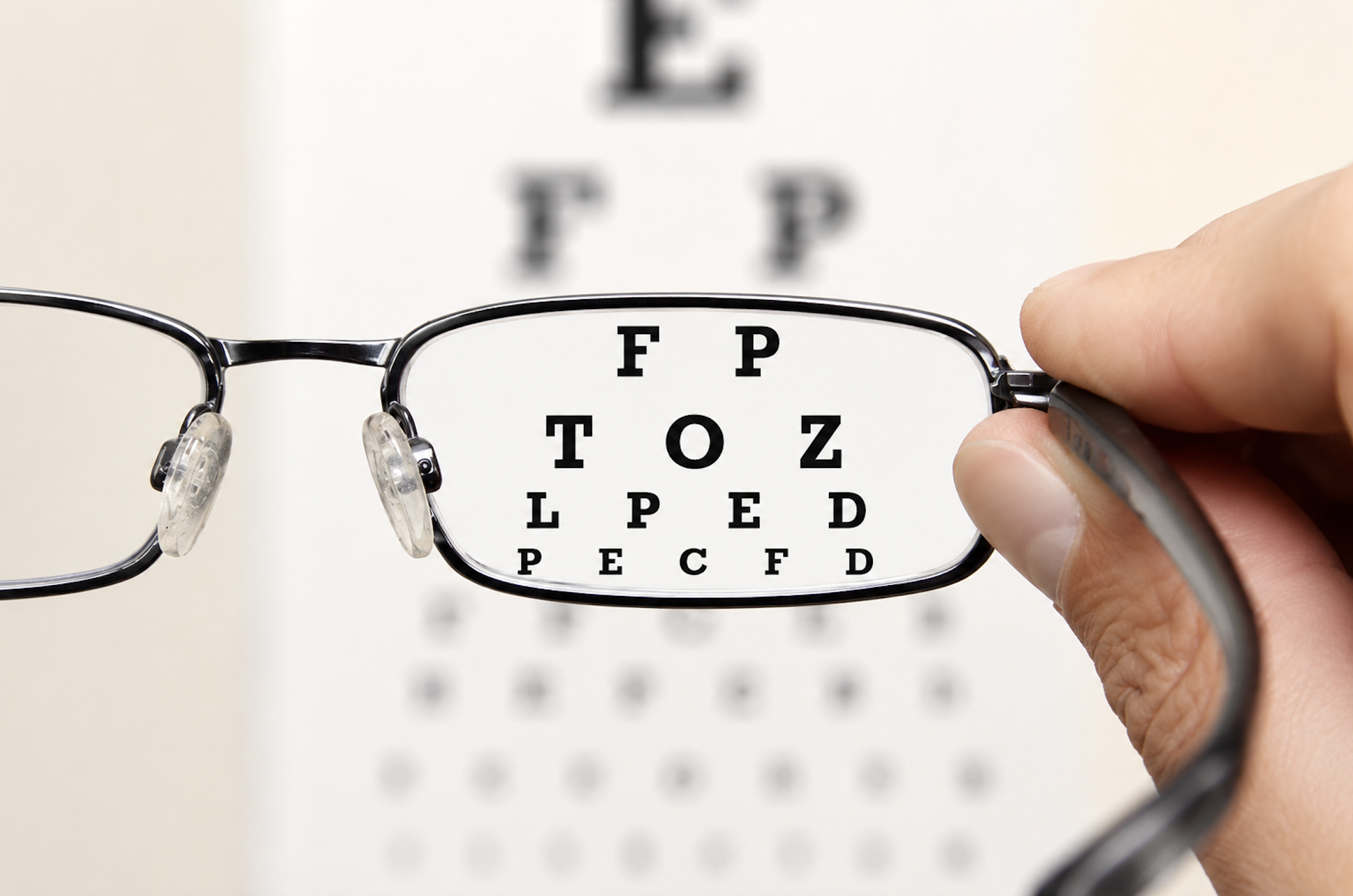 |
Dry eyes cause blurry vision and a gritty, burning sensation. *AI-generated image*. |
Dry eyes can occur at any age but are more common in individuals over 50, postmenopausal women, and those who frequently use electronic devices or wear contact lenses. Certain autoimmune diseases and medications for allergies, depression, high blood pressure, or other conditions can also reduce tear production, increasing the risk of dry eyes.
Blurry vision caused by dry eyes is usually temporary and improves after blinking or dry eye treatment. However, if blurry vision persists, does not improve with rest or artificial tears, and is accompanied by eye pain, significant redness, light sensitivity, or sudden vision loss, patients should visit an ophthalmology specialist for examination. These could be signs of other conditions such as keratitis, glaucoma, or retinal disease that require early treatment.
To prevent and reduce dry eyes, individuals should blink frequently when using electronic devices, apply the 20-20-20 rule, drink enough water, and use artificial tears as directed when necessary. Additionally, avoid direct airflow from fans or air conditioners into the eyes, maintain room humidity, and wear protective eyewear in windy or dusty outdoor environments. If symptoms persist or recur, patients should consult an ophthalmology specialist for diagnosis and timely treatment.
Bao Bao (Compiled)
| Readers can submit questions about ophthalmological conditions here for a doctor's response. |