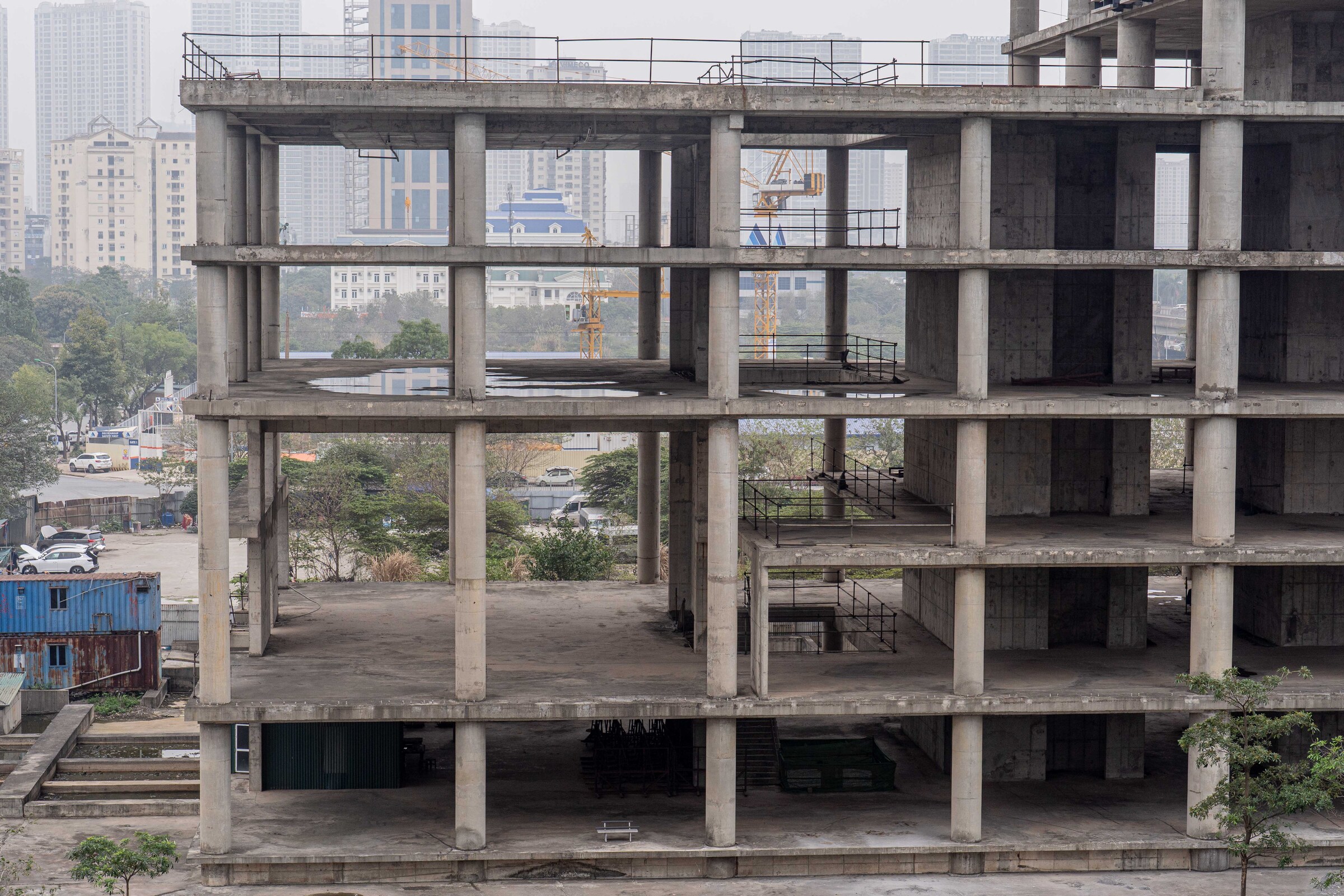
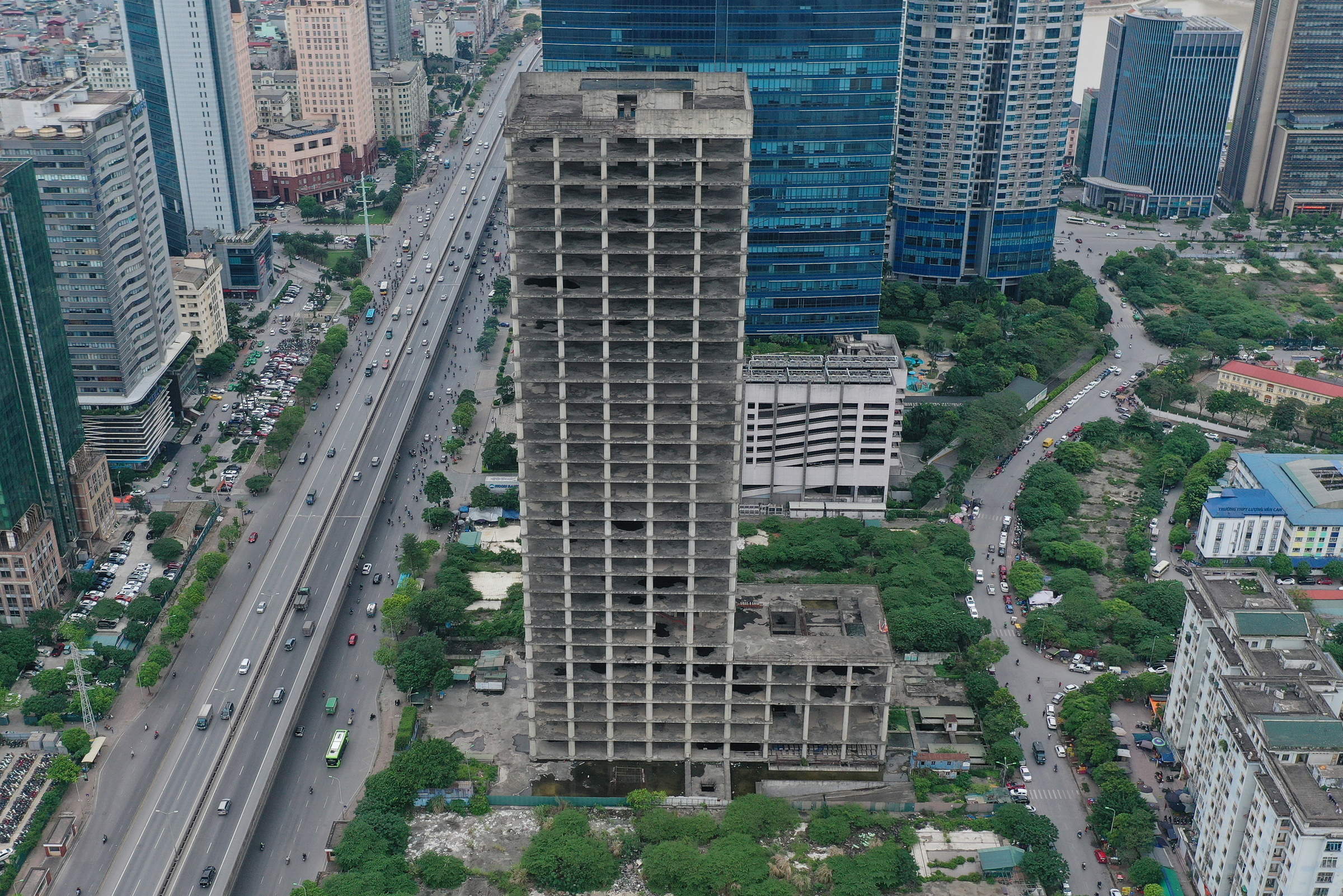
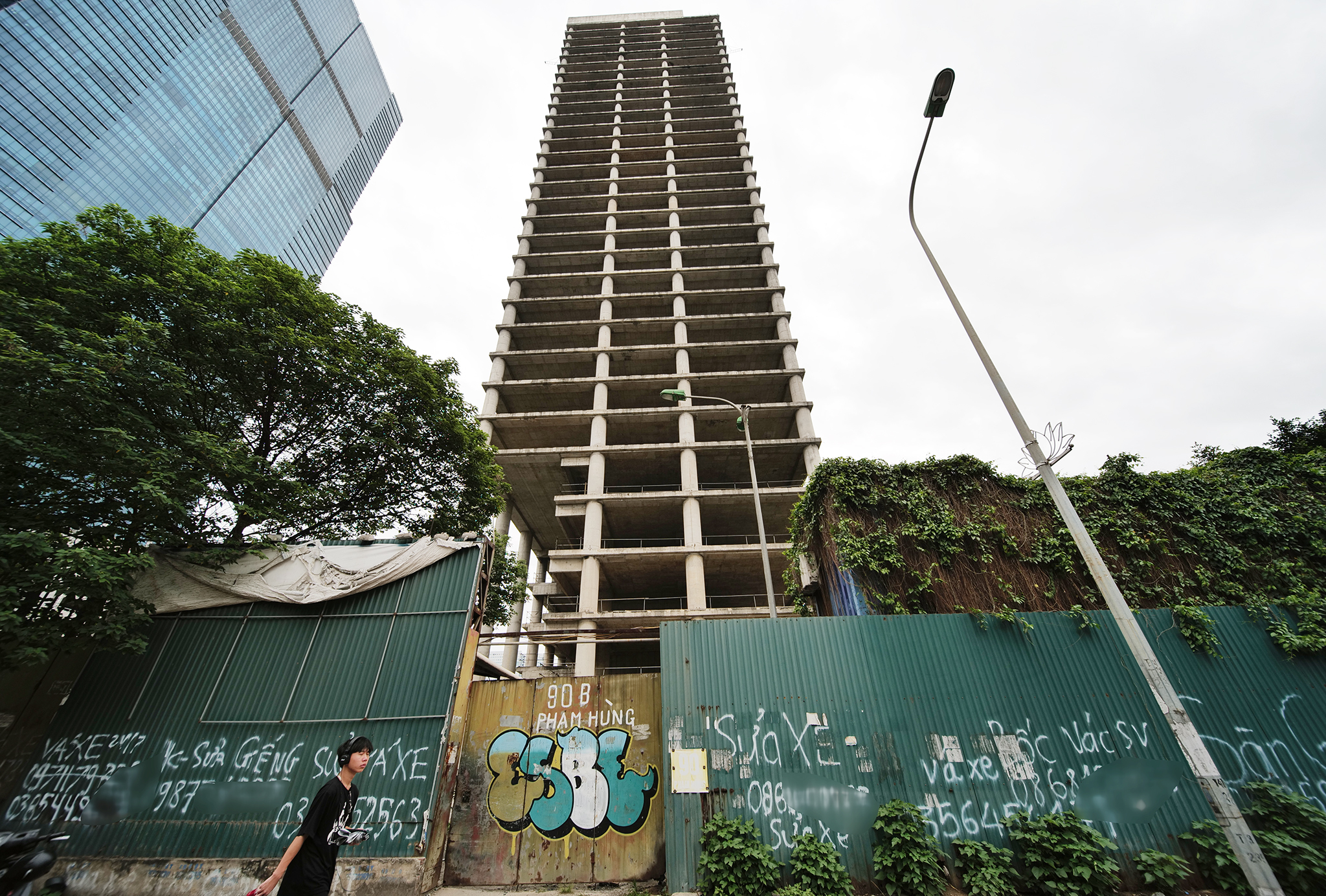
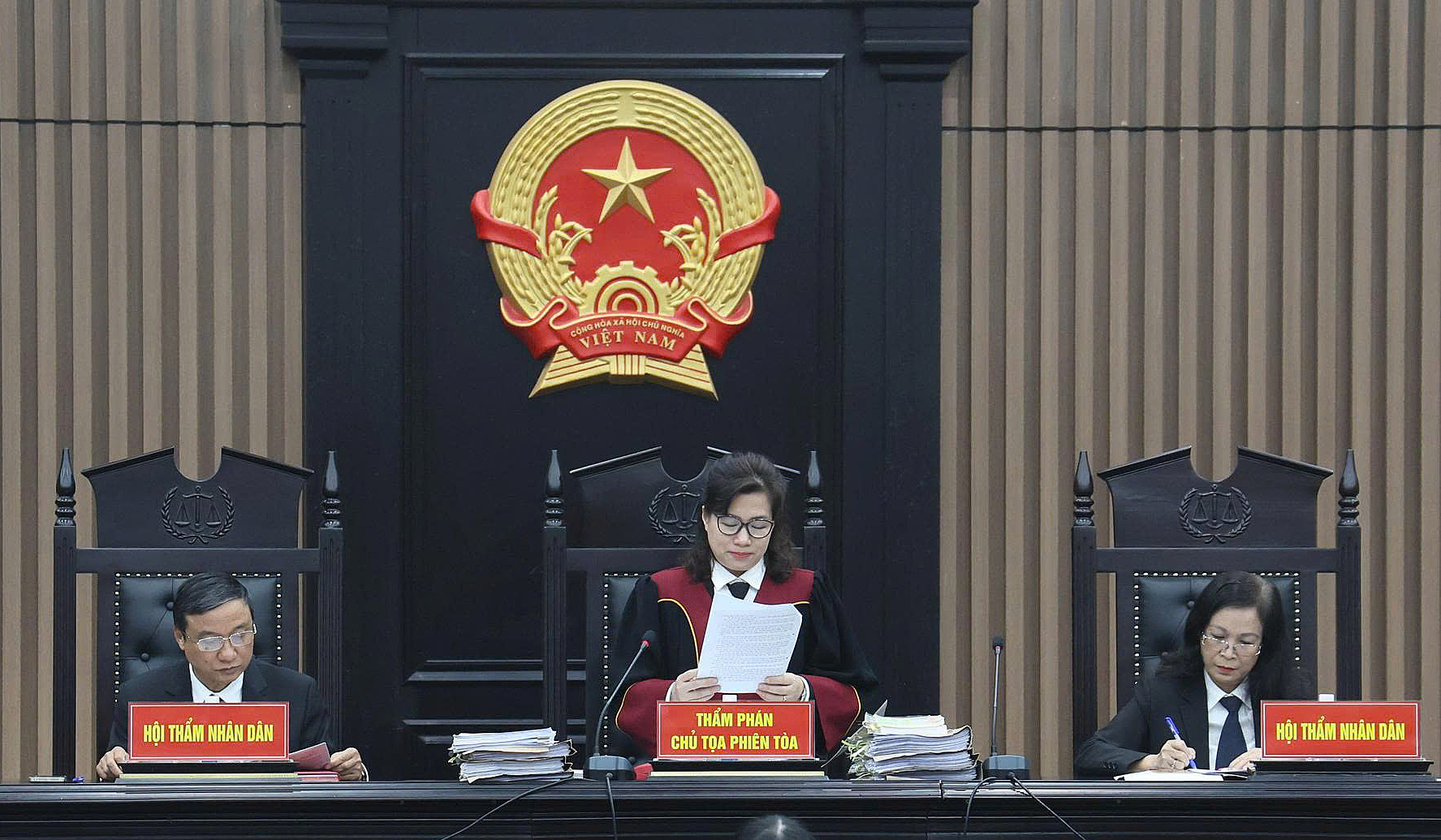
On the afternoon of 3/2, the Hanoi People's Court concluded the trial of a series of former leaders and officials from Vietnam National Cement Corporation (VICEM) and Vietnam National Construction Consultants Corporation (VNCC) for violations that led to the 27-story tower being abandoned for 11 years. The project is located on a prime land plot on Pham Hung Street, Hanoi, just 100 meters from Vietnam's second-tallest building.
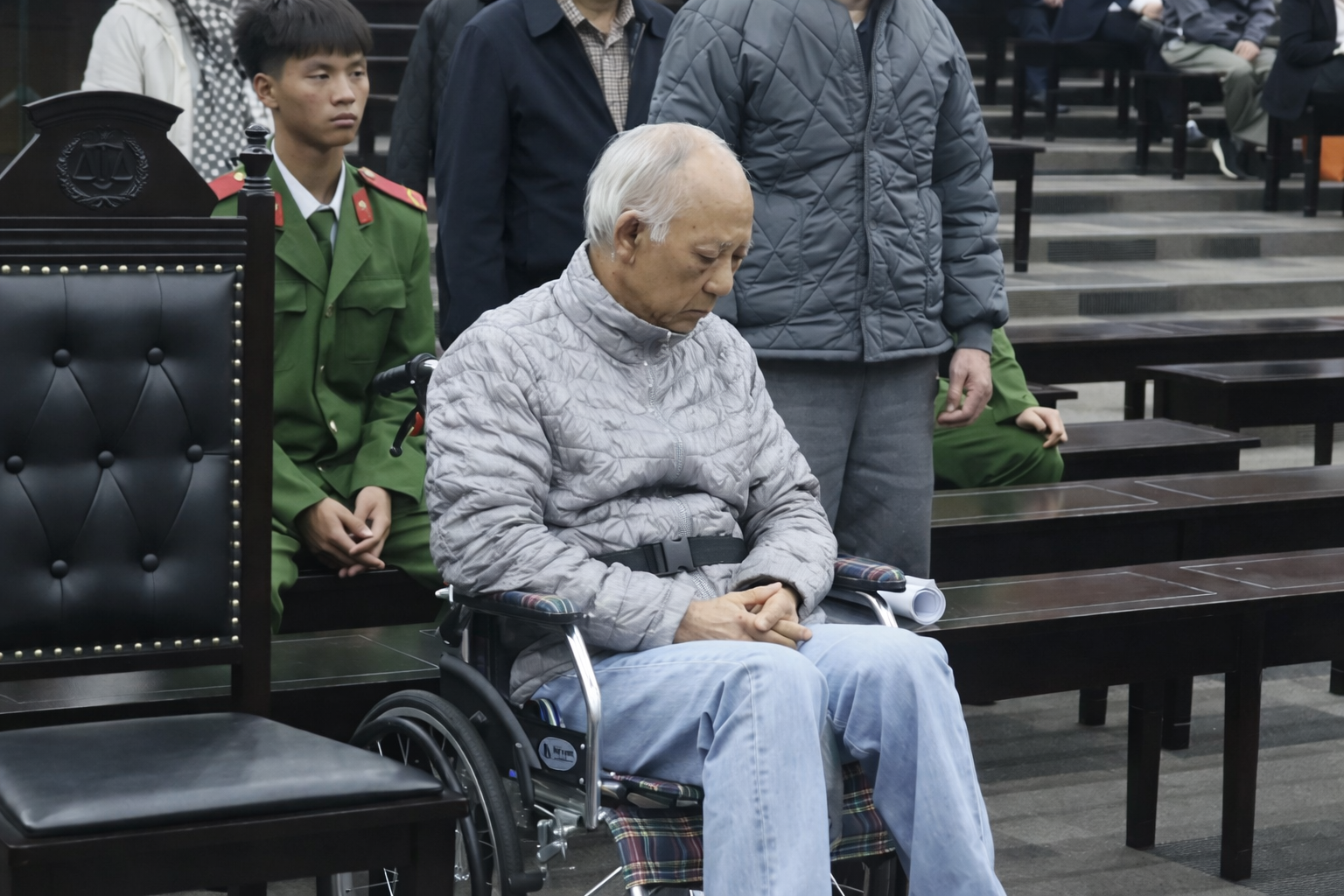
Most of the defendants are retired, many are over 70 years old, and some, in poor health, used wheelchairs throughout the trial.
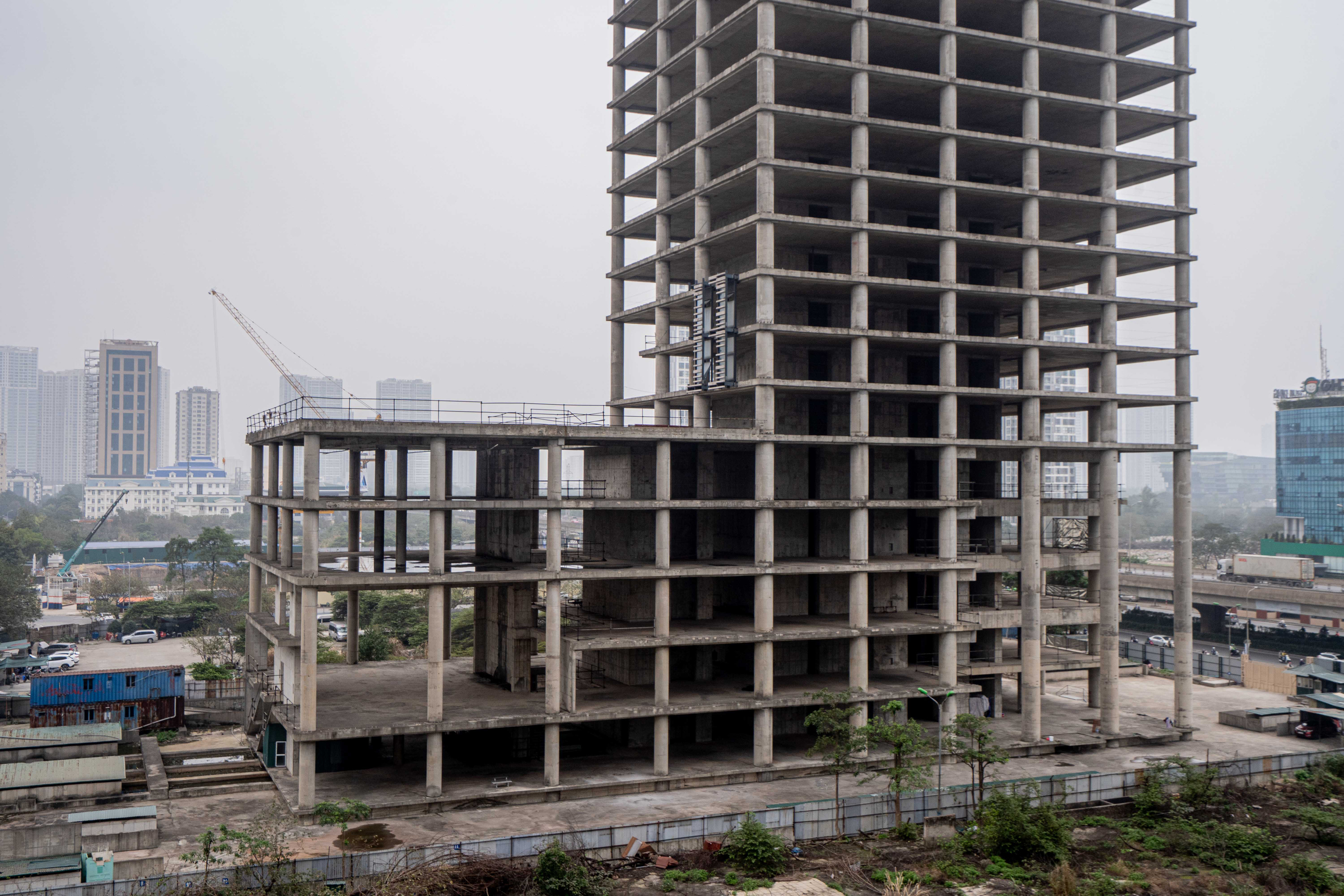 |
The VICEM operation and transaction center building - Vietnam National Cement Corporation |
The exceptionally serious waste of public assets in this case is an inevitable consequence of a series of misguided decisions and expectations by previous VICEM leaders.
Nguyen Ngoc Anh, 73 years old, former General Director and the recipient of the highest sentence in the case with 15 years in prison and a joint compensation liability of 61 billion dong, broke down and confessed, "Right from the start, I knew it would be a loss, but the tower was a long-held dream for thousands of colleagues across generations who worked for decades without a proper headquarters."
This afternoon, he and many former colleagues once again shed tears as the Hanoi People's Court verdict acknowledged this and affirmed that the defendants "had no self-serving motives."
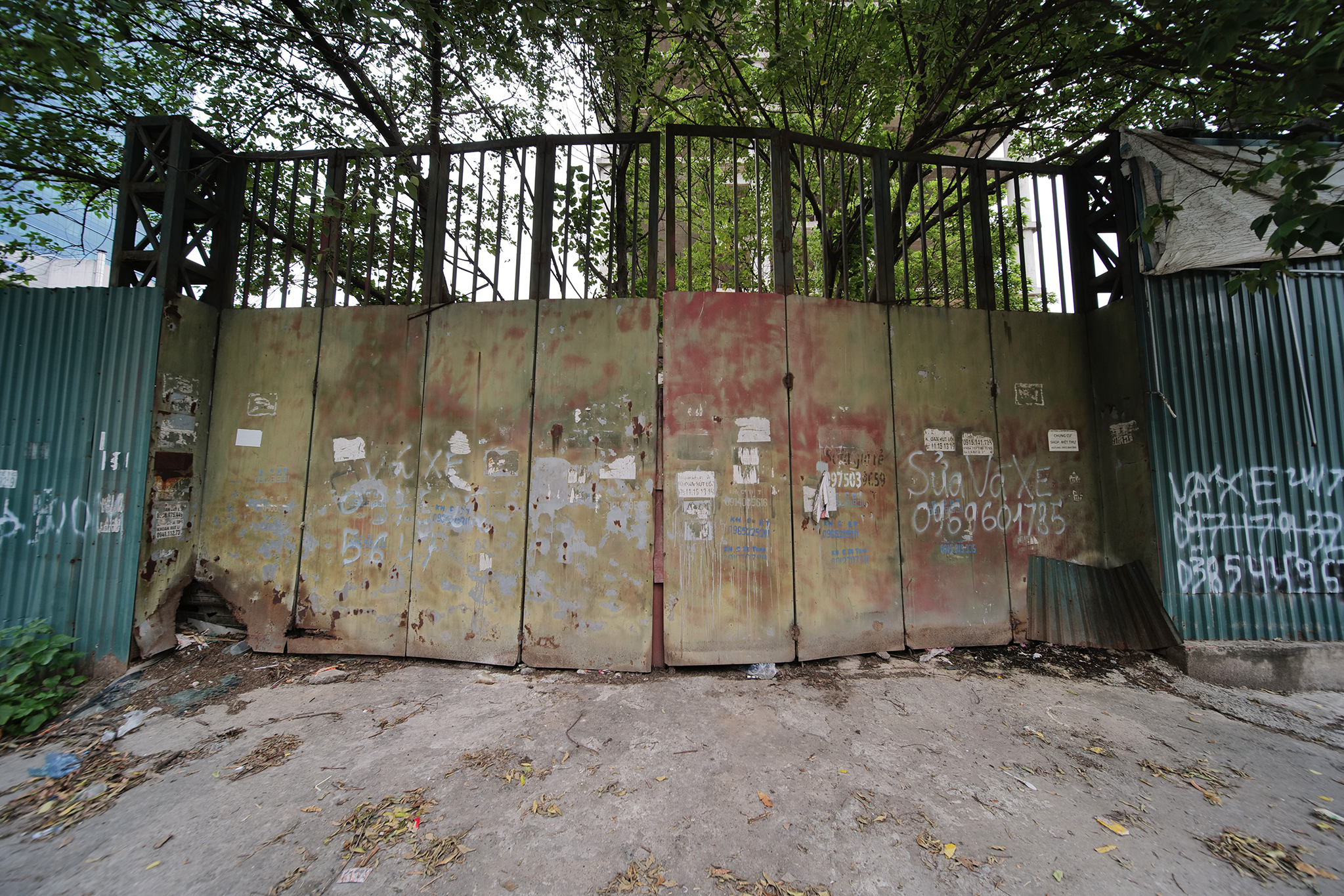
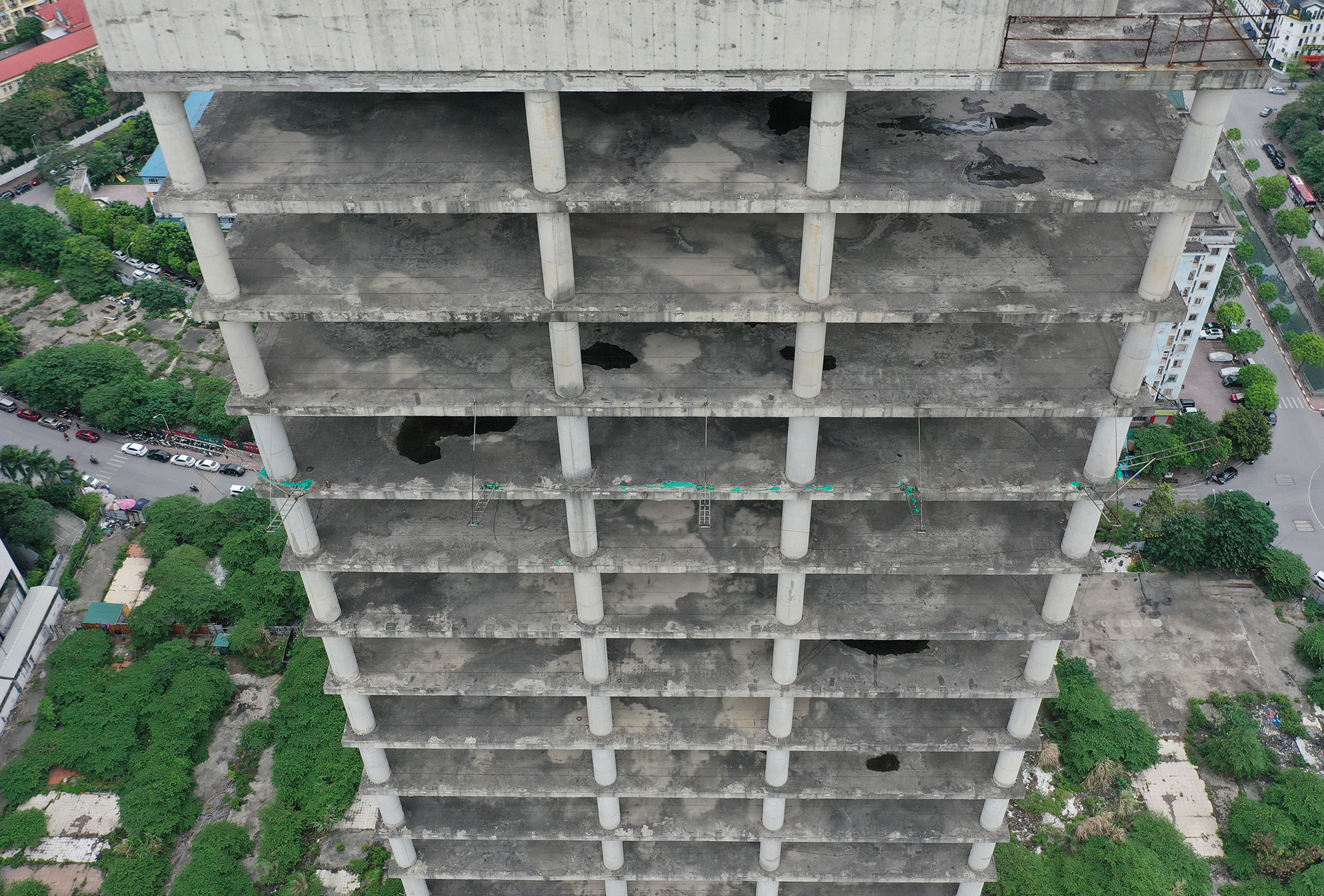
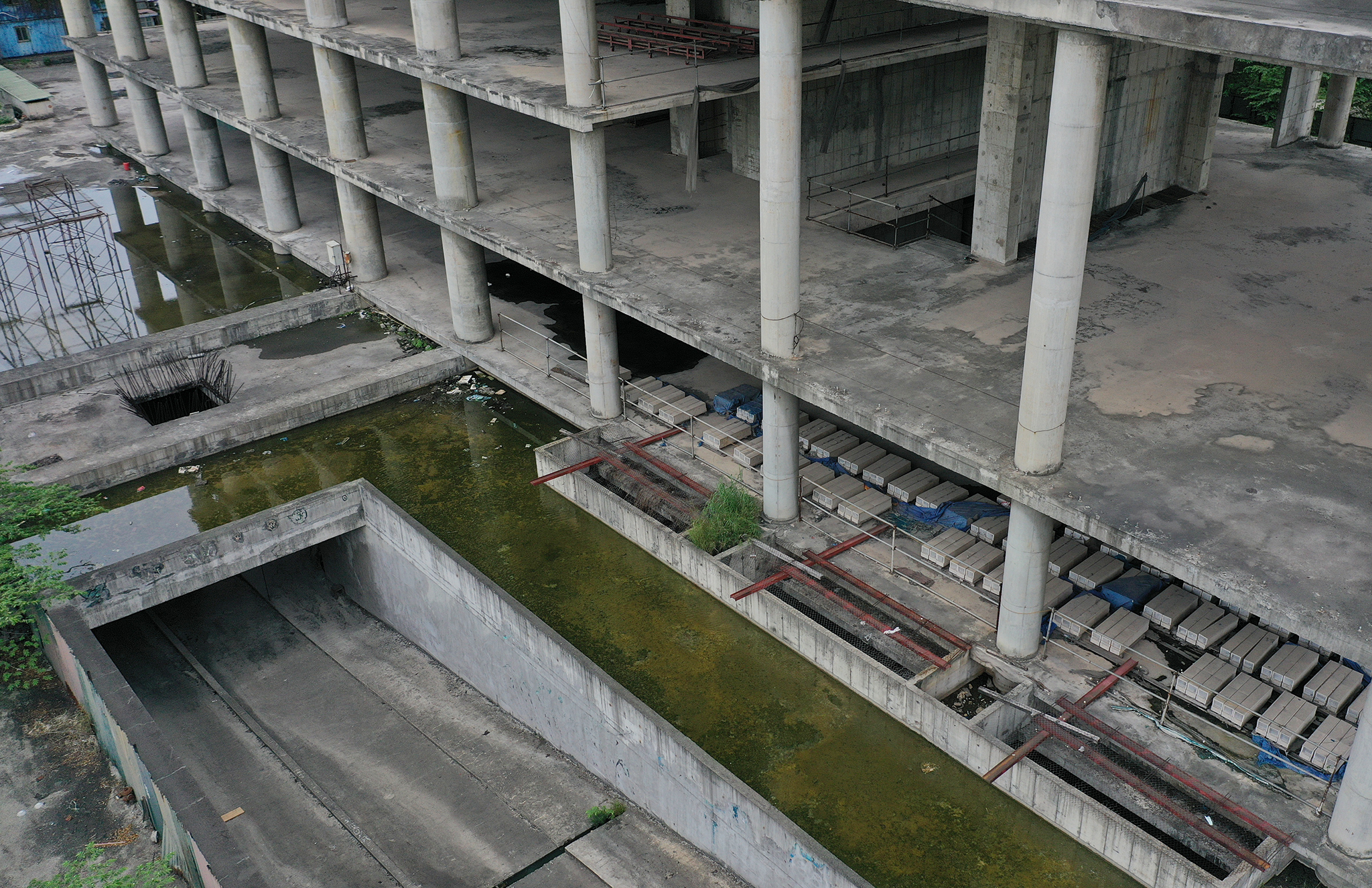
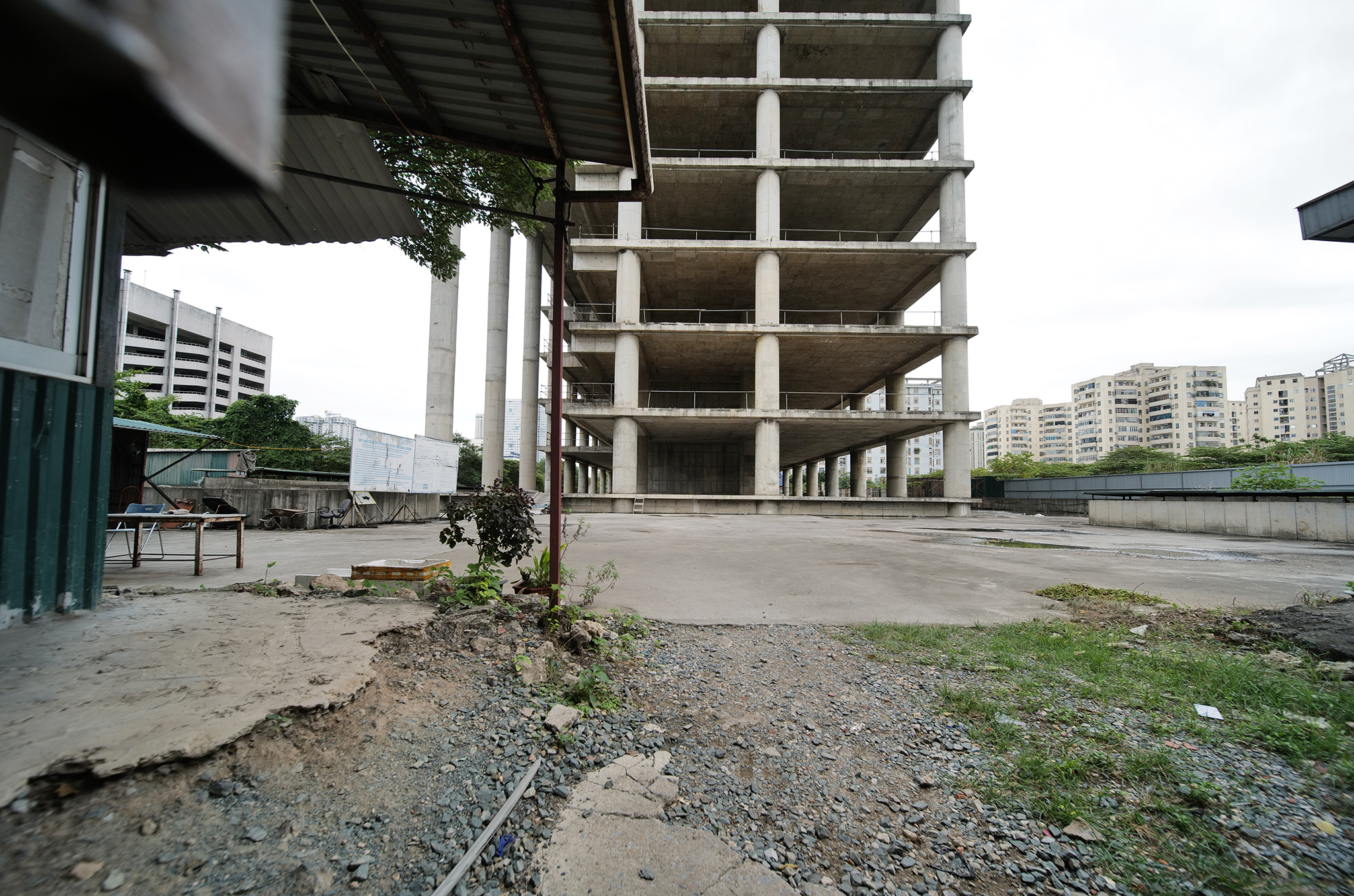
However, their errors are real, and the imposing building has stood for 11 years with no sign of resolution.
>>Sentences for the defendants and allocation of 300 billion dong in compensation responsibility
To put it simply, the defendants knew that the office-for-rent construction model was not a profitable strategy. But to get budget approval for the project on this prime land, they "painted" a very optimistic picture of the project's financial effectiveness.
For instance, the actual office rental price of only 20 USD/m2 was colluded upon by former VICEM leaders and VNCC experts and inflated by 2,5 times to 50 USD/m2. Similar inflation occurred with other items.
The project stalled midway after VICEM had poured over 1.245 billion dong in state budget into it, while still diligently paying bank interest.
Over 100 years for capital recovery
Dissecting the problems within this project, the trial panel, in its verdict this afternoon, assessed that after the project was halted in 2015, VICEM explored various ways to rectify the violations and actively pursued implementation, such as transferring the project or continuing its execution, but none proved feasible. After reviewing the project, partners declined to acquire it. The answer was simple: the project was too difficult to make a profit.
The court cited a 2019 study by VVFC (Vietnam Valuation and Financial Services Joint Stock Company), which reported that, given the rental prices at that time, continuing to invest in the VICEM tower would require over 100 years to recover the capital. Thus, the project would be economically inefficient if developed as an office-for-rent property.
 |
The trial was presided over by Judge Nguyen Thi Thanh Thuy. Photo: Danh Lam |
 |
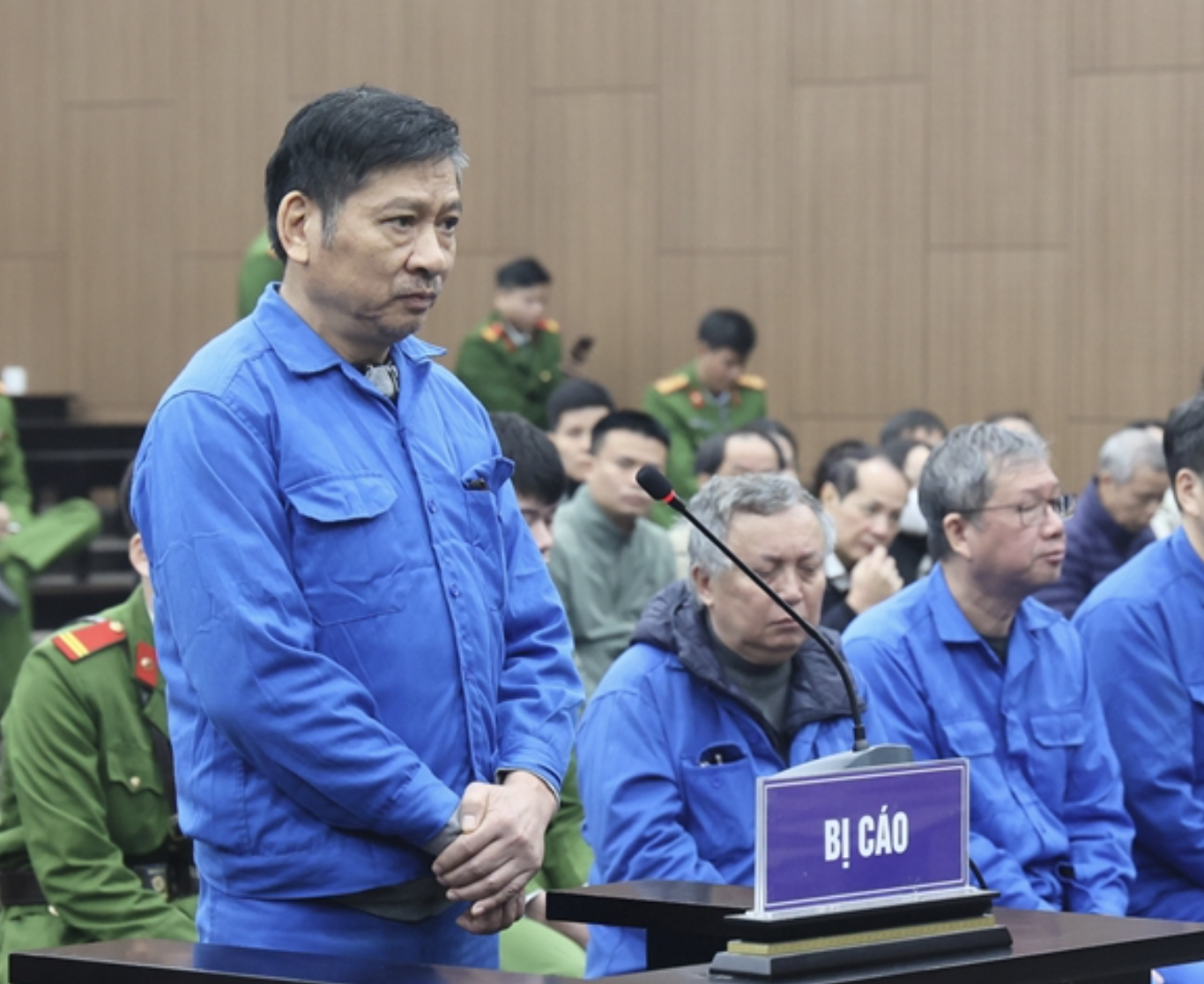
Defendant Tran Binh Trong, former General Director of Vietnam National Construction Consultants Corporation VNCC. Photo: Danh Lam |
 |
 |
 |
 |
 |
 |
 |
 |
Therefore, according to the court, even though VICEM reduced and adjusted the total investment, the Ministry of Construction repeatedly asked VICEM to re-evaluate the actual effectiveness before approving the policy for continued project implementation.
Despite the Prime Minister agreeing to continue implementing the project in 2023, this state-owned enterprise has still been unable to invest, due to the lingering economic consequences.
Additionally, the trial panel stated that this exceptionally serious waste was also due to construction investment laws not being sufficiently stringent, synchronous, and lacking inspection and control mechanisms from state management agencies. This led to a situation where the investor enterprise could independently establish and approve project investments without reporting, or reporting incompletely, inaccurately, or even fraudulently to state management agencies without detection.
For instance, VICEM in this case "played their own game, blew their own whistle," independently determined rental prices, and artificially inflated prices to make the project "appear" promising for approval. However, immediately after capital approval, just three days later, they arbitrarily adjusted the total investment capital without reporting to anyone, and without any regulatory body detecting or rectifying it.
According to the court, these loopholes in construction investment laws also meant there were no timely preventative measures. Ultimately, the unfinished project, lacking remedial measures, resulted in loss and waste of public assets.
In the field of construction bidding law, the trial panel also noted that despite regulations requiring investors to have guaranteed revenue and equity, and construction contractors to have the financial capacity to undertake their bid packages, in this case, both the investor VICEM and the contractor ECON were weak enterprises lacking sufficient financial capacity. They colluded so that "you, without sufficient funds, still got project approval, and I, without sufficient capacity, still got to perform the construction."
 |
The outcome of this combination is a derelict structure for over a decade, posing a significant question for all involved in construction, state management, and even those who have witnessed it, the verdict stated.
Recommendations for building a national public investment database
This afternoon, the Hanoi People's Court issued a verdict that not only included judgments, prison sentences, and the allocation of responsibility for colossal damages. The trial panel also put forth a series of lengthy, detailed recommendations to revive this project, and more importantly, to prevent similar "VICEM towers" in the future.
First, the trial panel recommended that the government and Prime Minister direct the Ministry of Construction to coordinate with relevant ministries and agencies to guide VICEM in urgently rectifying existing violations to continue investing in and bringing the project into operation. The specific responsibilities of each ministry and sector in construction and bidding also need to be re-examined.
Second, the court recommended that the Ministry of Finance review and amend relevant legal documents to address the issue of overlapping in state budget management, strengthening the central budget's leading role and the proactive, self-responsible nature of localities. The Ministry of Finance also needs to supplement regulations on a national database for thrift and anti-waste, making information public as a basis for effective monitoring, inspection, and waste detection. Additionally, the Ministry should focus on allocating funds for key projects to completion, avoiding widespread, prolonged implementation that incurs additional costs and waste. The Ministry needs to advise the government on building and completing a public investment database to transparently manage and monitor project progress and effectiveness, promptly detecting signs of waste, according to the court.
The third recommendation is for the Ministry of Construction, VICEM's governing body. For projects using public funds, the Ministry needs to issue guidelines for evaluating project effectiveness right from the initial idea generation, meaning the stage of preparing and appraising feasibility study reports. This, according to the court, will avoid the situation where consulting units arbitrarily assess economic efficiency, altering economic indicators to create the "impression" that a project will be effective, such as VICEM and VNCC fabricating office rental prices in this case. Consequently, the Ministry of Construction is also recommended to amend regulations so that construction unit prices are realistic, aligned with market prices, ensuring the principle: enterprises implementing projects achieve profit through maximum savings, avoiding erroneous investment decisions from the outset.
 |
For Vietnam National Construction Consultants Corporation (VNCC), the court recommended reviewing, amending, and supplementing the ISO process system to ensure that information collection, evaluation, and analysis of the socio-economic effectiveness of investment projects are scientific, objective, transparent, and appropriate to the project's context, timeline, and nature. VNCC also needs to deploy personnel with sufficient competence, qualifications, and professional experience to key positions within the ISO process system to ensure objective, honest, and scientific task execution.
During the investigation of this case, authorities considered the responsibility of several key leaders at VICEM from June 2012 to 2025, individuals at VNCC involved in preparing the VICEM project dossier, individuals from the Planning and Finance Department (Ministry of Construction) assigned to monitor production activities and investments in VICEM projects, and individuals at the Hanoi Department of Planning and Investment (now the Department of Finance) and the Hanoi Department of Natural Resources and Environment (now the Department of Agriculture and Rural Development) who were involved in advising on the issuance of land allocation decisions and investment certificates for VICEM.
Authorities have determined that these individuals "had varying degrees of involvement in the violations" but there were insufficient grounds to consider criminal liability; in some cases, the statute of limitations for prosecution had expired. The investigating agency has issued a written recommendation for the governing bodies to consider disciplinary action in accordance with Party and government regulations, which is appropriate.
The court also announced that it would continue to verify construction bid packages for the VICEM operation and transaction center project, and if violations are found, they will be handled according to the law.
Thanh Lam