Ruth Ellis, a 28-year-old nightclub hostess, was executed on 13/7/1955, three months after fatally shooting race car driver David Blakely outside the Magdala pub in London.
At the one-day trial, the jury deliberated for just 23 minutes before finding Ellis guilty of premeditated murder. Under the law at the time, the death penalty was mandatory for this offense.
The case's decades-long controversy stemmed from its underlying context. Her family and lawyers stated that Ellis was a victim of Blakely's physical abuse, coercive control, and threats for years. However, the trial largely disregarded this evidence because the law at the time did not recognize concepts such as coercive control, loss of control, or diminished responsibility for victims of domestic abuse.
Deputy Prime Minister and Justice Secretary David Lammy stated that if the case were tried under the current legal system, Ellis would likely not have faced the death penalty and might even have been convicted of manslaughter. Therefore, the government recommended the King grant a pardon to acknowledge the profound injustice she suffered.
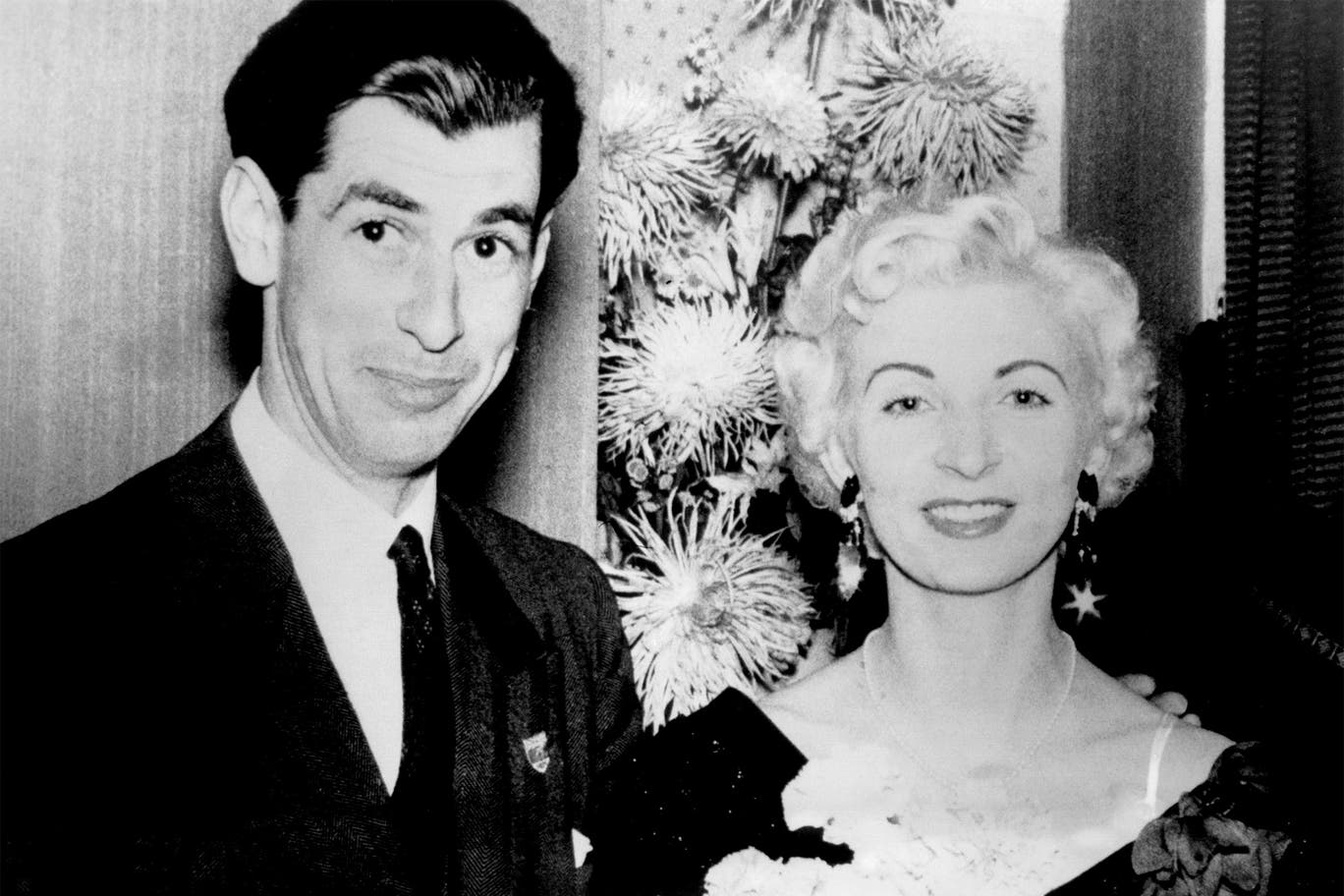 |
Race car driver David Blakely (left) was shot dead by Ruth Ellis in 1955. *Photo: PA* |
The pardon does not declare Ellis innocent, nor does it erase her murder conviction. Instead, the death sentence is legally commuted to a life sentence and holds symbolic meaning, acknowledging that the 1955 death sentence did not fully reflect the case's circumstances.
The decision followed a prolonged campaign by Ellis's 4 grandchildren. Laura Enston, her granddaughter, stated that while the family does not deny Ellis fired the gun, they sought recognition that she was also a victim of domestic violence and that the justice system failed by imposing a disproportionate punishment.
"The pardon cannot bring my grandmother back or mend broken lives, but at least it officially acknowledges that what happened was wrong", Enston said.
The family stated that the execution's consequences extended through generations. Ellis's two children grew up facing stigma and psychological trauma; her son later died by suicide.
 |
Ruth Ellis led a tumultuous life, working as a nude model and nightclub hostess. *Photo: PA* |
The Ruth Ellis case shocked England, generating strong opposition to the death penalty and is considered a pivotal event that helped accelerate its abolition. The UK suspended the death penalty for murder in 1965 before fully abolishing it in subsequent years.
By Tue Anh (based on AP, The Guardian)