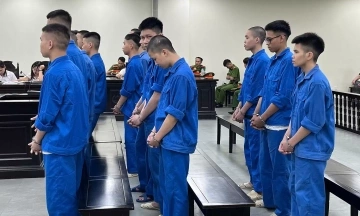
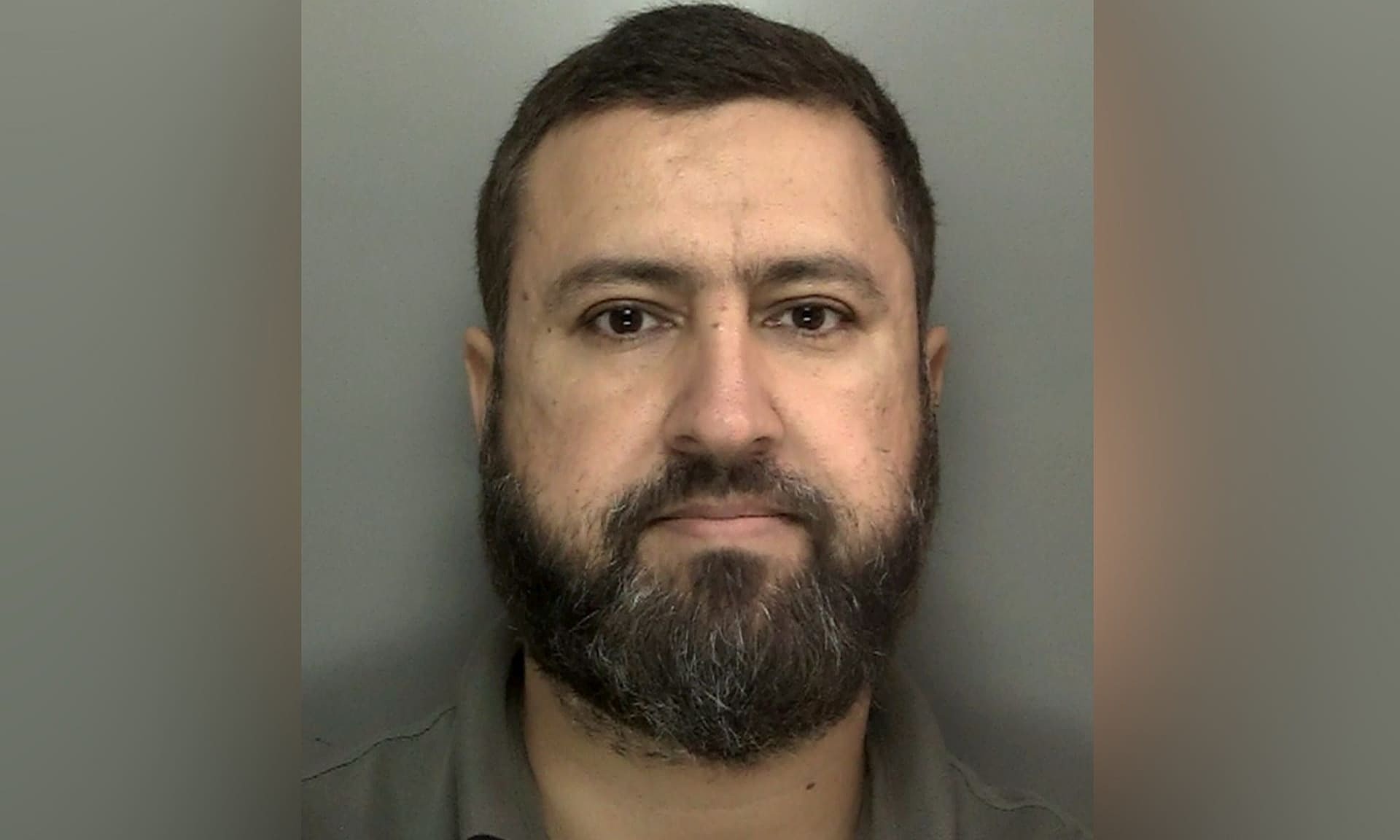
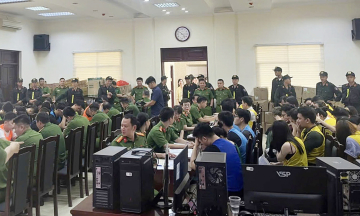
On 19/6, Ho Chi Minh City Police announced the dismantling of fraud rings operating under the guise of tourism businesses. Investigating 11 companies, authorities identified an organized crime syndicate. They have initiated 11 criminal cases and temporarily detained nearly 200 defendants on suspicion of fraudulent appropriation of property, focusing on executive board of directors and relevant employees.
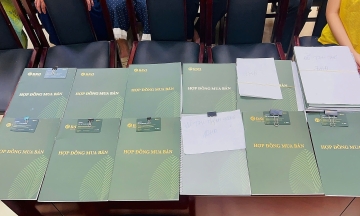
Colonel Nguyen Tien Dat stated that a total of 5,563 contracts were seized. Among the thousands of customers who fell victim, one individual suffered the heaviest loss, signing up to 42 contracts and losing 8.5 billion dong.
"Customers were enticed by the idea that instead of depositing money in banks, they could buy these contracts, which would be profitable upon transfer, doubling or multiplying their profits," Colonel Dat informed.
Four-step scheme
Investigators determined that the group meticulously organized the fraud through four steps, primarily targeting middle-aged and elderly individuals with idle funds or those seeking passive income.
To build a facade of credibility, the executive board of directors of these fraudulent companies invested in renting impressive locations and establishing a full organizational structure, from management and legal departments to telesales and customer care teams.
Using illegally collected and traded personal data, employees made numerous phone calls, luring victims to attend consultation sessions with incentives such as a free two-night, three-day resort stay or gifts like raincoats and umbrellas.
At these consultation events, employees repeatedly offered four to six holiday packages ranging from 30 to 420 million dong. These offers were accompanied by promises of attractive profits, such as doubling assets after three months, 8-10% annual interest rates, and commitments to repurchase or assist with transfers.
Once customers were convinced, the fraudsters immediately urged them to sign pre-prepared contracts containing many deceptive clauses, entirely disadvantageous to the customers. If customers did not have immediate cash, employees would instruct them to take out loans via bank credit cards with large limits.
Quoc Thang