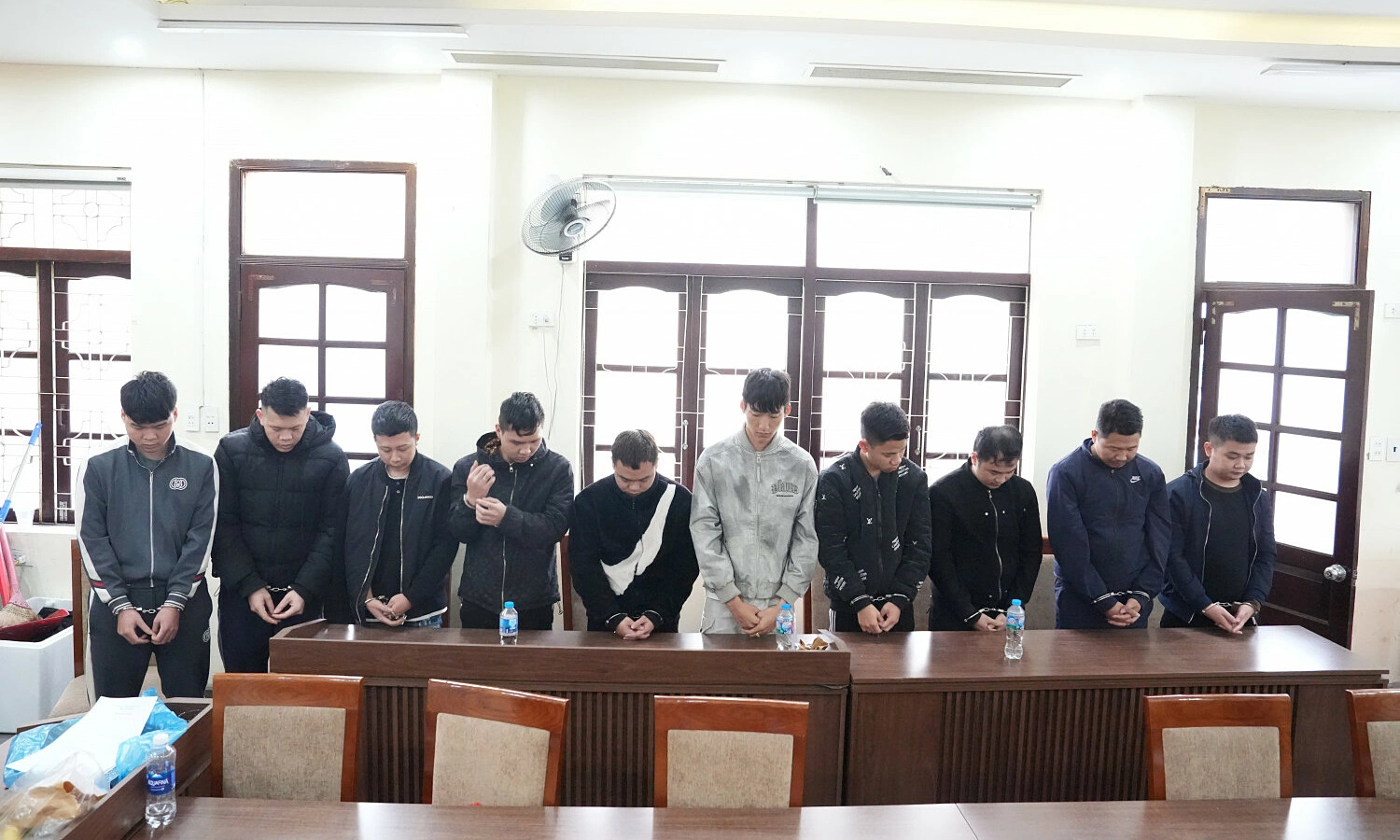
Hanoi city police announced on 17/6 that these are the initial results of their investigation into the case. Suspects primarily employed two forms of fraud: selling vacation memberships and transferring vacation memberships to illicitly obtain money.
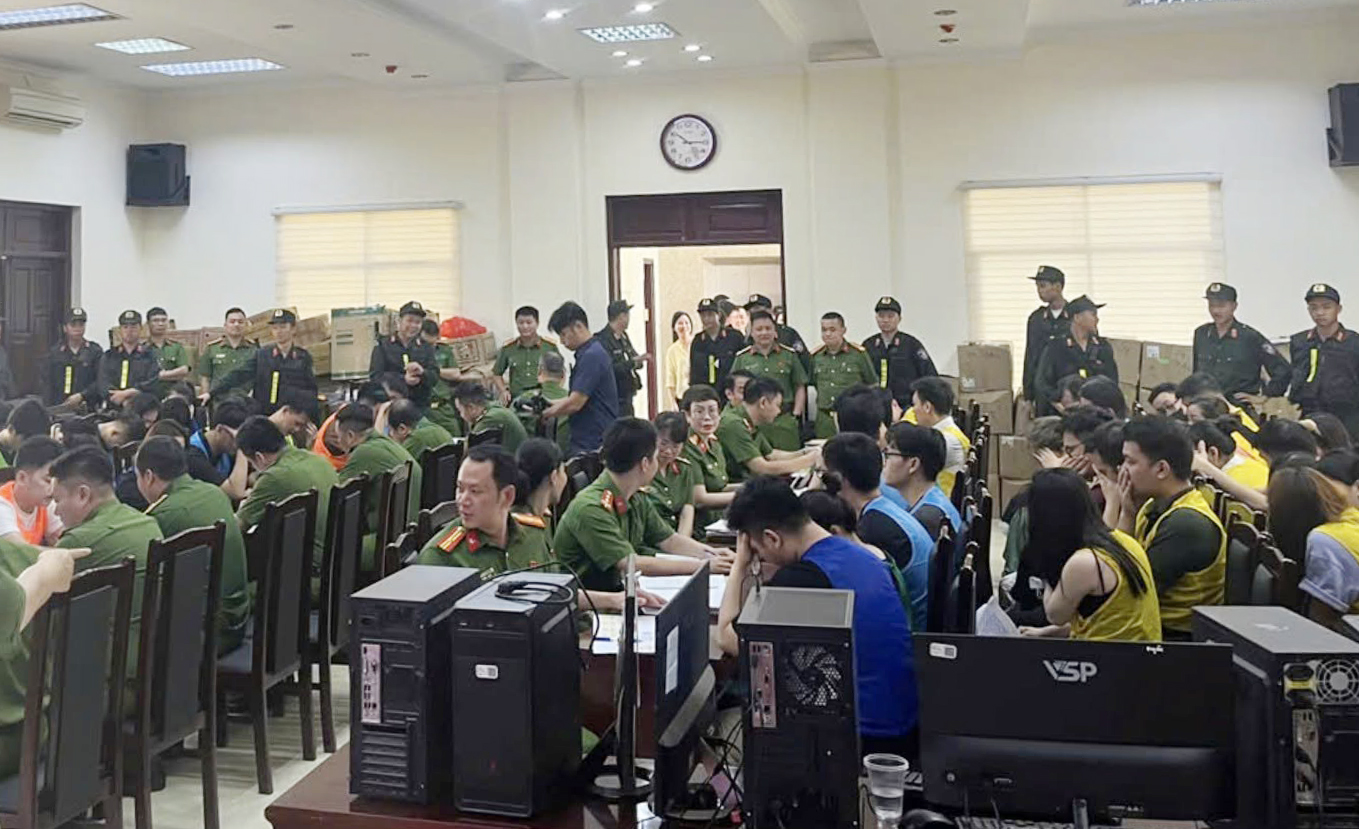 |
Police working with suspects. *Photo: VTV*
In reality, these companies neither sold, transferred, nor rented vacation memberships to any customers. The group primarily targeted elderly individuals, deceiving them with promises of high resale value for vacation cards.
Many companies even established entire ecosystems to create a closed loop, defrauding people.
Regarding this scam, the Ministry of Public Security recently issued a warning about organizations and individuals exploiting the "holiday contract" business model to defraud people of their assets. They typically call to solicit, promising free travel vouchers and inviting potential victims to seminars at luxury hotels and resorts.
A common tactic of these scam groups is to present attractive advertisements like "5-star vacations", "luxury retreats", "special offers", "limited availability", or "today only". During seminars, attendees are introduced to cheap vacation packages, usable for many years, and even promised easy transferability or profitability.
Ultimately, they employ various tactics to pressure customers into signing contracts and making immediate large payments.
Police warn that people should be cautious of businesses offering unusually high commissions or brokerage fees, such as 20% to 40%, to entice participation in their system.