Circular 116/2026 from the Ministry of Public Security, detailing several articles and enforcement measures of the Law on Residence, will take effect from 1/7.
Residency refers to a citizen's presence at a location within a commune-level administrative unit. This includes permanent, temporary, or current places of stay.
Article 26 of the circular outlines that residency checks will be conducted periodically, unannounced, or as needed for crime prevention and maintaining public order. These checks target: citizens; households; dormitories and housing for students and trainees; worker housing, construction site camps, and agricultural plantations.
Other locations subject to inspection include: rental properties, borrowed homes, or temporary accommodations provided by organizations or individuals; facilities such as religious institutions, social assistance centers, medical facilities, tourist lodging, and any other establishments offering accommodation. Vehicles used for residency and residency registration agencies at all levels are also included.
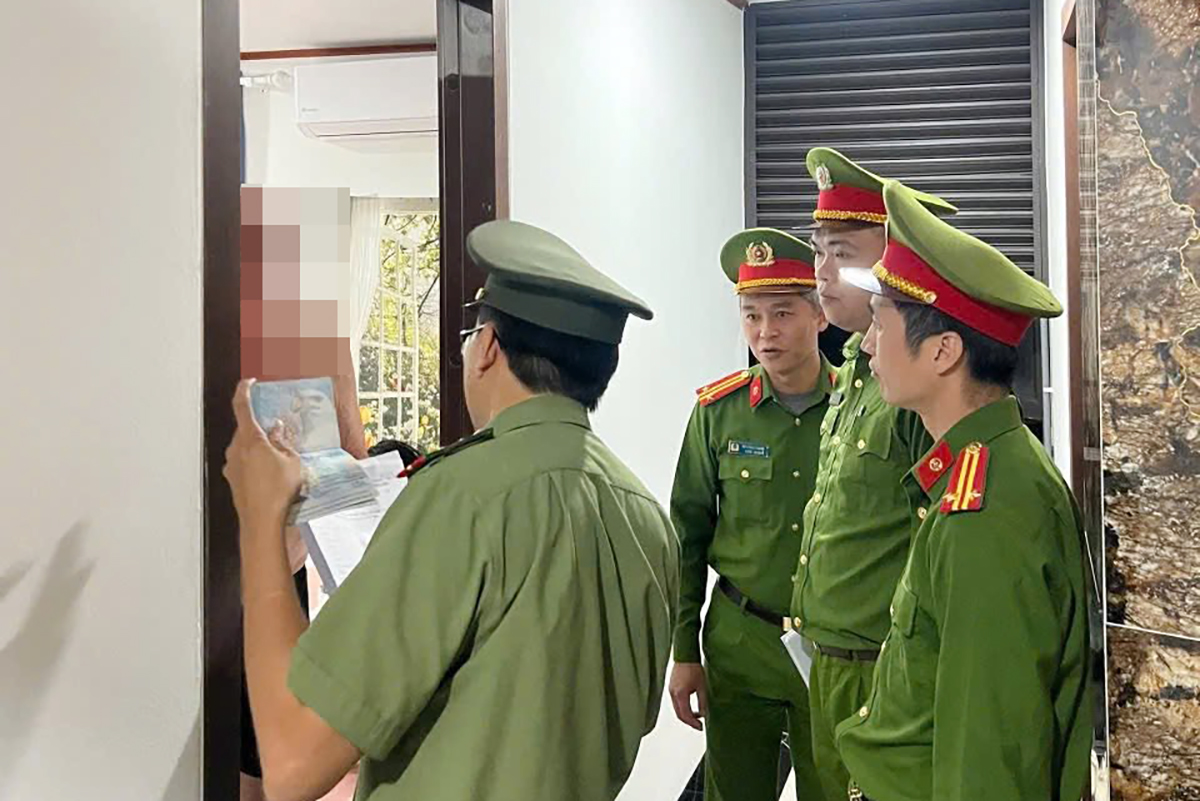 |
Police conduct residency checks in the area. *Photo: Cong an phuong O Cho Dua*. |
The circular states that residency checks will cover the implementation of registration and management procedures. Authorities will also collect, update, and utilize residency information from the national residency database.
During these checks, police are authorized to mobilize community security forces and personnel from agencies, businesses, and organizations to assist. Higher-level agencies conducting checks must coordinate with local residency registration authorities.
Commune-level police will be responsible for conducting periodic and unannounced residency checks, as per clause 6, article 25.
Effective 1/7, citizens staying overnight at a location not registered as their permanent or temporary residence must report their stay via a website or the VNeID application. This notification must be made before 11 p.m. on the day of arrival. For arrivals after 11 p.m., the report must be submitted before 8 a.m. the following day.
New channels for residency feedback
In addition to direct feedback at residency registration agencies, effective 1/7, authorities will also accept information through various other channels: via phone or hotlines announced by residency registration agencies; suggestion boxes; and email addresses publicized by these agencies.
Authorities will also receive feedback through VNeID, mass media outlets, the Government Portal, the Ministry of Public Security, and the official websites of local police units.