This proposal will be added to the amended Penal Code 2026 and is expected to be presented to the National Assembly for feedback during its August session. This adjustment addresses new dangerous acts not yet classified as crimes or adequately defined for legal action.
The current Penal Code lacks specific regulations for N2O. Therefore, the latest inter-agency guideline (25/6) suggests addressing violations under Articles 190 and 191 of the Penal Code, which cover producing, trading, storing, or transporting prohibited goods. However, the Ministry of Public Security noted that this often requires flexible application to other crimes, leading to disputes and mischaracterization of offenses.
To address this legal gap, the draft Penal Code 2026 formally categorizes N2O-related offenses under crimes against economic management order.
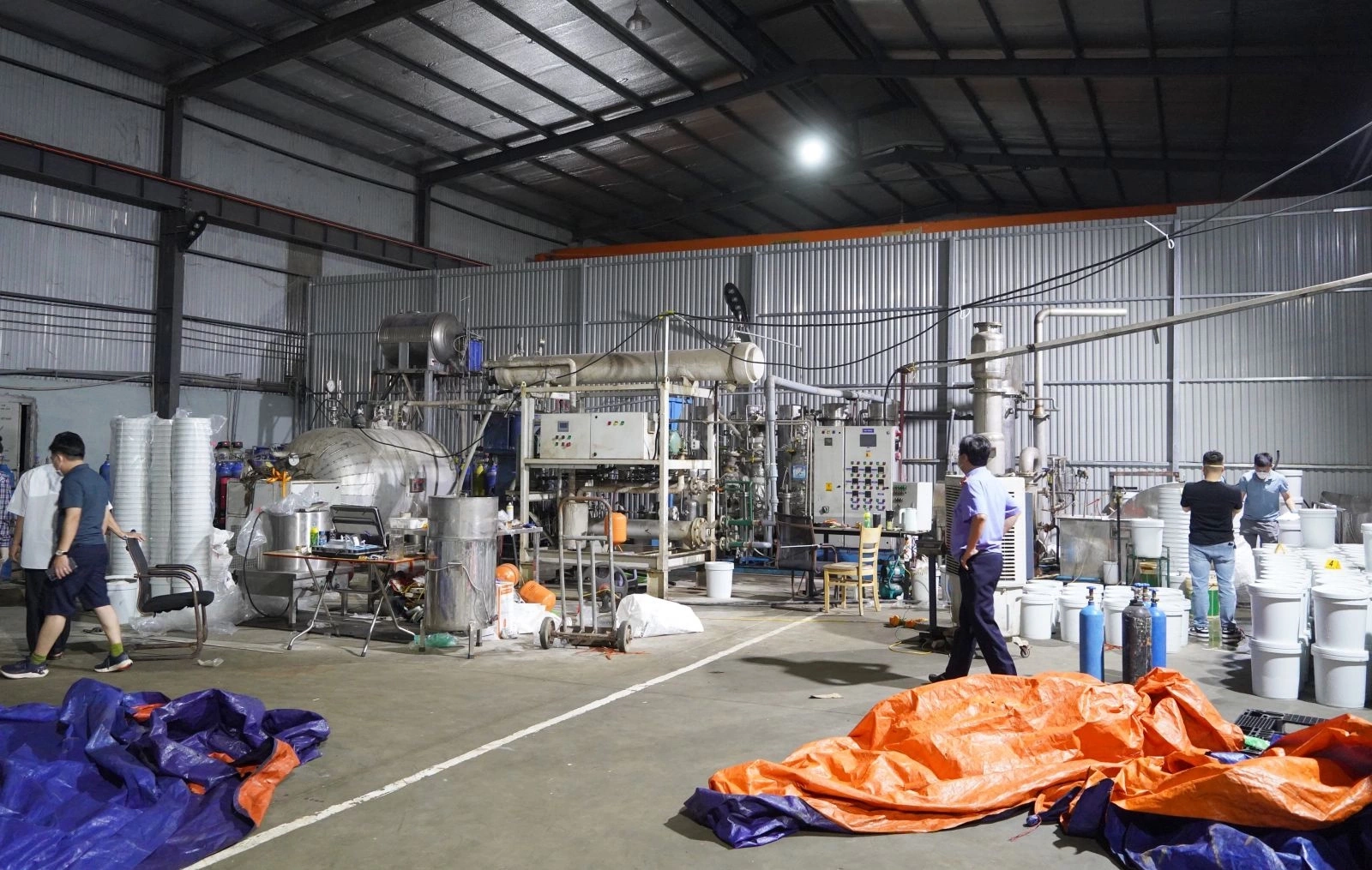 |
Inside a large-scale laughing gas production facility in Hanoi that was dismantled in 5/2025. Photo: Lam Son. |
Up to 15 years in prison for large quantities of seized materials
Under Article 190, "Crime of Producing, Trading Prohibited Goods," the draft proposes penalties for producing, trading, or selling N2O for illegal purposes. Offenses involving 300 liters to under 1,000 liters will incur fines from 200 million dong to 2 billion dong, or one to five years in prison.
For volumes of 3,000 liters or more, offenders could face eight to 15 years in prison.
Similarly, Article 191, "Crime of Storing, Transporting Prohibited Goods," will include storing or transporting N2O for illegal purposes. This will carry penalties, with a minimum fine of 100 million dong and a maximum of 10 years in prison. The thresholds will mirror those in Article 190.
Commercial legal entities will also face criminal liability for these two offenses. Proposed fines for businesses range from 2 billion dong to 18 billion dong.
Notably, if a legal entity is established "primarily to commit crimes or to conceal or legitimize criminal acts," the court may impose permanent operational suspension under Article 79.
According to the Ministry of Health, inhaling N2O without medical supervision can cause paralysis, sensory and mental disorders, spinal cord damage, and anemia. The sale and use of laughing gas balloons are currently widespread in bars, karaoke venues, guesthouses, and hotels.
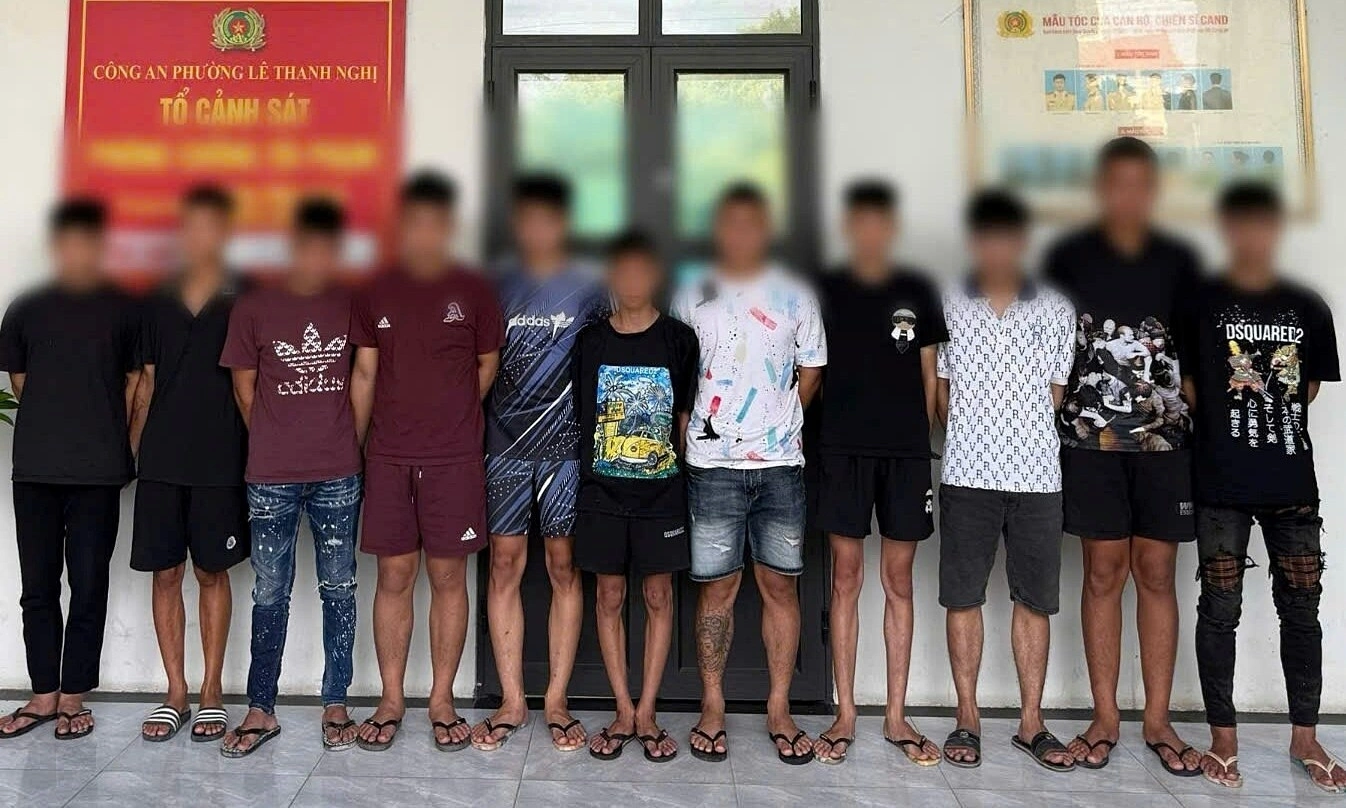
Since 2025, authorities have prosecuted 48 cases involving 338 defendants and issued administrative sanctions in 66 cases against 92 individuals. Over 16,500 cylinders and more than 57,000 kg of N2O have been seized.
Hai Thu