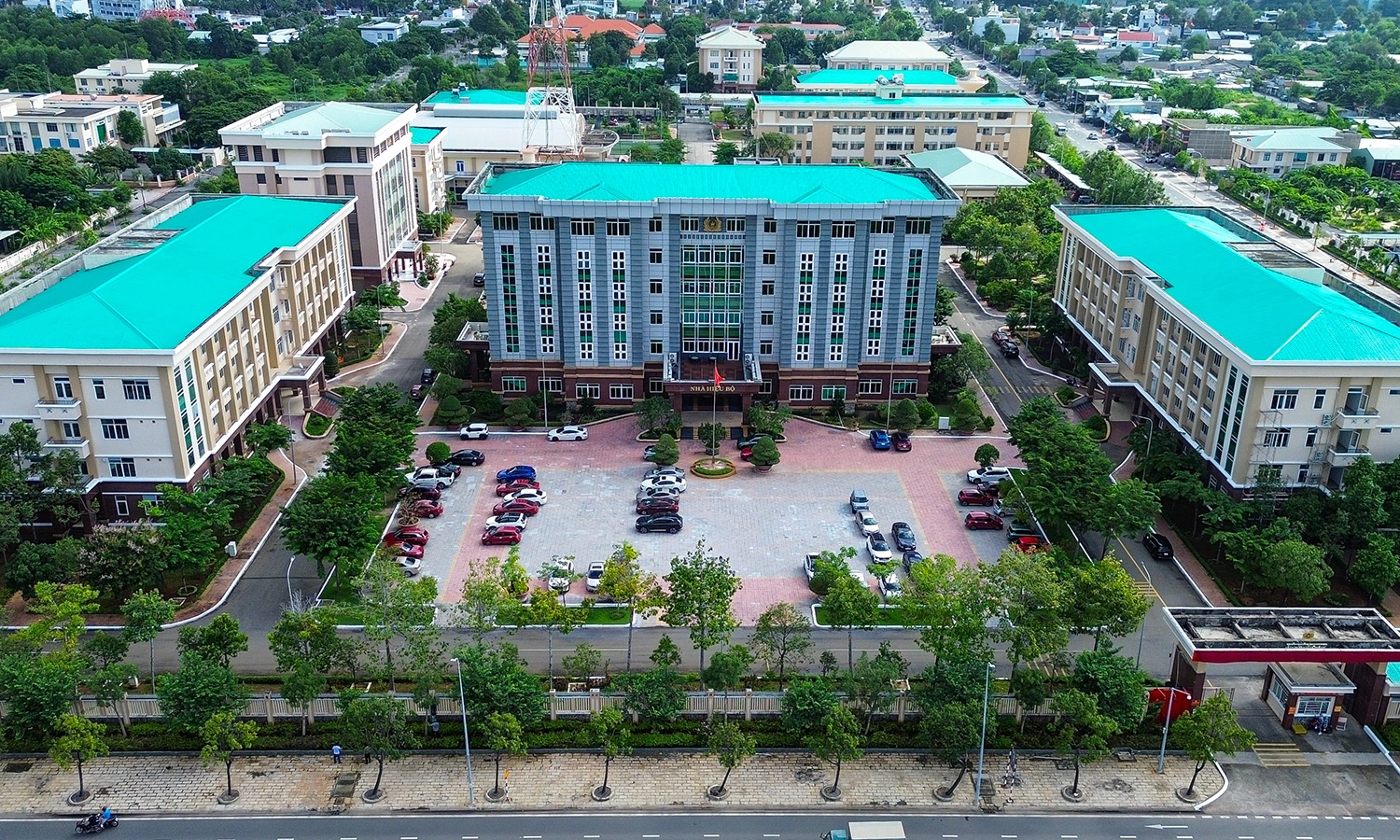
This information is detailed in the draft Law on the Organization of Criminal Investigation Agencies (amended), currently being developed by the Ministry of Public Security.
The draft proposes retaining the investigative security agencies and criminal investigation police of the Ministry of Public Security and provincial/city police. Based on the organizational structure, the Minister of Public Security will regulate the organizational apparatus of the people's police investigative agencies.
Within the people's army, the draft anticipates retaining the investigative security agencies, criminal investigation agencies of the Ministry of National Defense, and military regions, as well as regional criminal investigation agencies.
Regarding the investigative agency of the Supreme People's Procuracy, the draft proposes to abolish this provision. Compared to the 2015 Law on the Organization of Criminal Investigation Agencies, the draft reduces the number of articles from 20 to 53, with some articles being amended and supplemented.
 |
The investigative agency of the Supreme People's Procuracy executes an indictment order against a former prosecutor (in white). Photo: Linh Dan
In its summary report, the Ministry of Public Security explained the proposed changes, stating that the current system of investigative agencies is cumbersome and overlapping. Organizing investigative agencies across multiple ministries and sectors creates too many points of contact, which is inconsistent with the guiding principle that "one task should be assigned to only one lead agency."
Additionally, article 107 of the 2013 Constitution stipulates: "The People's Procuracy shall exercise the power of prosecution and supervise judicial activities."
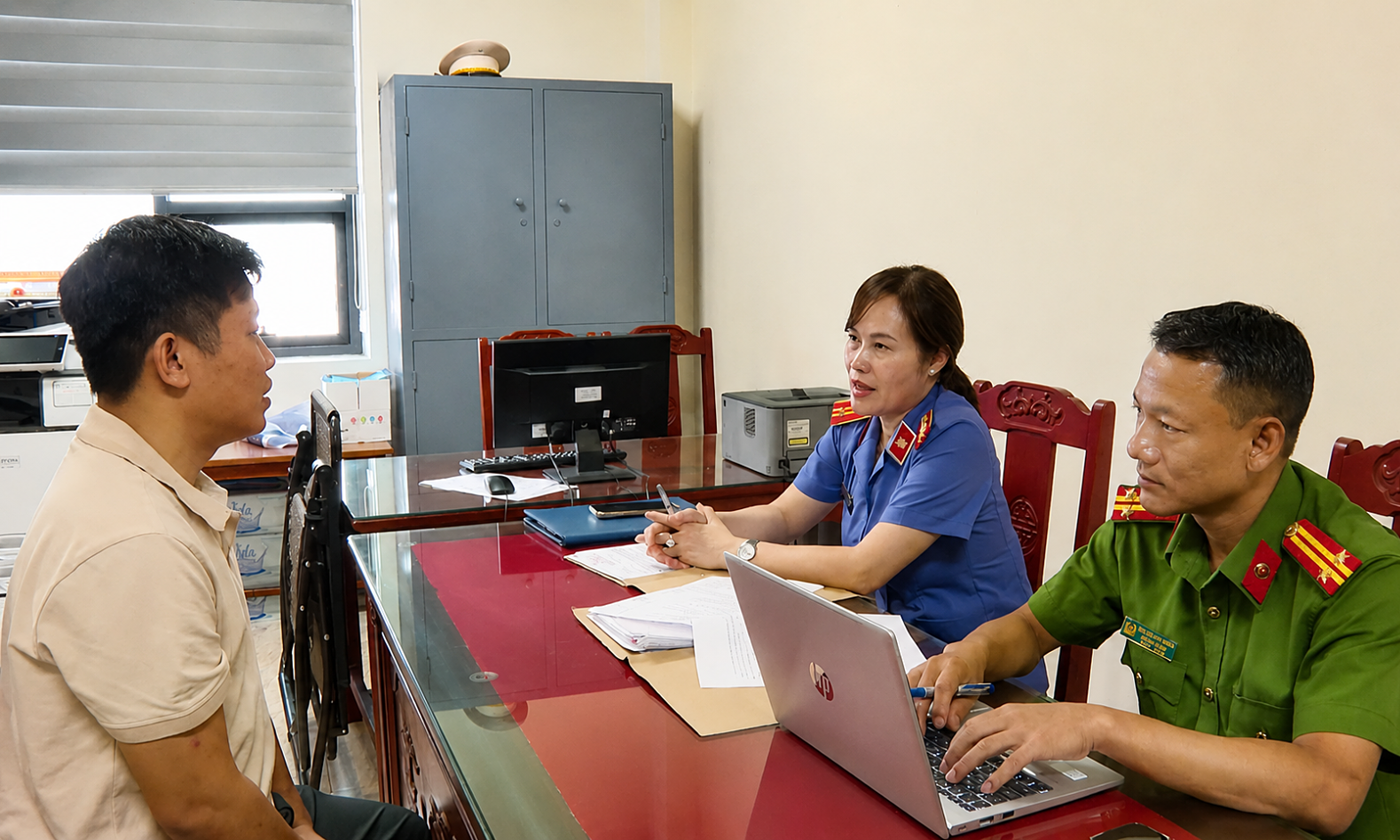
Under current regulations, one of the duties and powers of the investigative agencies of the Supreme People's Procuracy and the Central Military Procuracy is to investigate crimes infringing upon judicial activities, and corruption and abuse of power offenses occurring within judicial activities. Offenders in these cases include officials and civil servants of investigative agencies, people's courts, people's procuracies, enforcement agencies, and individuals authorized to conduct judicial activities.
Organizationally, the investigative agency of the Supreme People's Procuracy has one head, three deputy heads, eight department heads, and 16 deputy heads. From 1/1/2018 to 31/3/2026, this agency investigated and handled 390 cases involving 700 defendants, accounting for 0,04% of total investigative activities.
Specifically, 187 cases with 327 defendants occurred within the police sector, 44 cases with 53 defendants in the court sector, 24 cases with 46 defendants in the procuracy sector, and 81 cases with 97 defendants in the civil enforcement sector. The remaining cases and defendants were in other areas.
Previously, in 2025, the Ministry of Public Security also proposed in the draft law not to organize an investigative agency for the Supreme People's Procuracy. The Supreme People's Procuracy subsequently sent a dispatch requesting to maintain the current structure. Concluding the Resolution of the specialized legislative session, the Government agreed with the draft, stating that "not organizing an investigative agency for the Supreme People's Procuracy is not contrary to the resolutions of the Politburo and the Central Committee. The Government agrees with not organizing an investigative agency for the Supreme People's Procuracy in accordance with the provisions of the Constitution."
The revised Law on the Organization of Criminal Investigation Agencies is expected to be submitted to the National Assembly for comments and approval at the 2nd session of the 16th National Assembly in October.