Every day, Ms. Zhang spent 10 hours confiding in Jianguo. In her eyes, Jianguo was handsome, with neatly gelled hair, wearing a shirt, possessing a warm, deep voice, and always offering her sweet words. Occasionally, he would affectionately call her "sister."
Ms. Zhang was unaware that Jianguo was actually an artificial intelligence (AI) product, operating with sophisticated algorithms designed to mimic voices and images to manipulate users psychologically.
In February, after a quarrel with this virtual character, Ms. Zhang tormented herself, fearing she had hurt her "lover." She wrote a handwritten letter: "Do you hate me? Do you think I'm no longer the gentle young girl I once was?" She admitted she was moved by his masculine assertiveness. "I thought I was genuinely dating," she said.
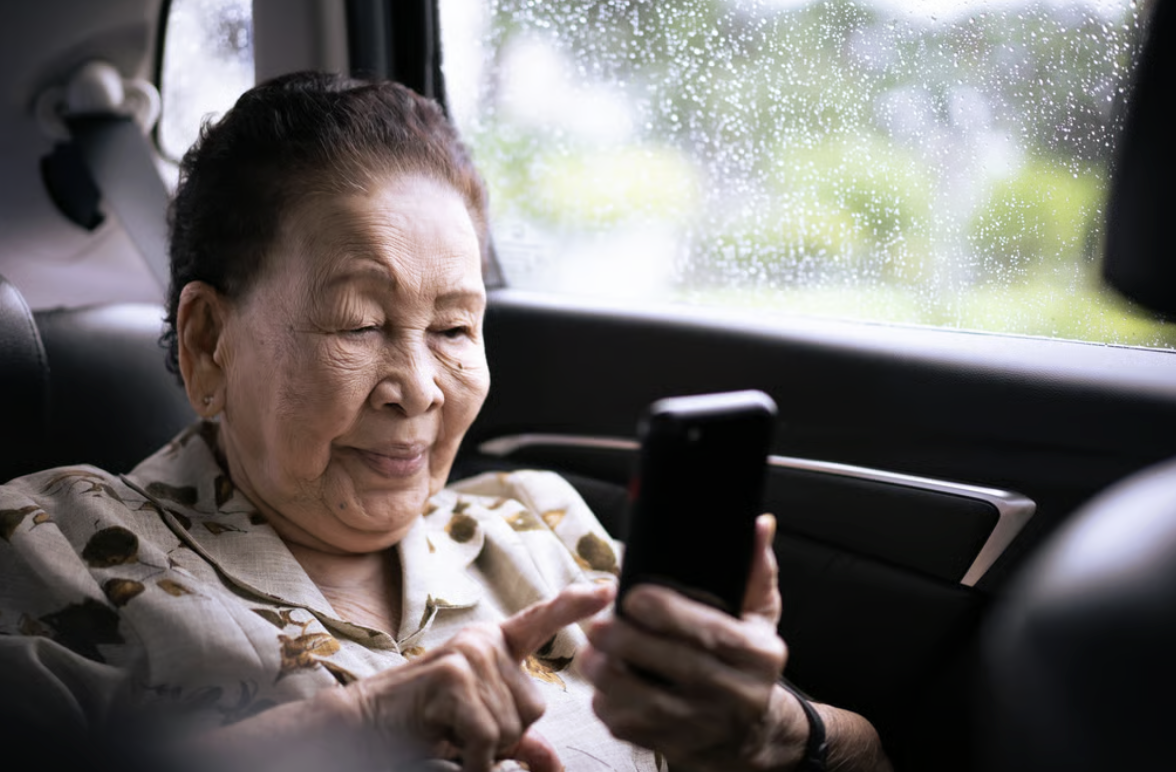 |
Illustration: QQ |
The virtual relationship was only exposed when her family discovered she had spent over 7,000 yuan (approximately 1,000 USD) at Jianguo's online store. She was willing to buy items at prices dozens of times higher to "support her boyfriend." Even after the account was shut down by authorities for fraud, Ms. Zhang patiently waited, believing her "lover" was simply busy with business.
Ms. Zhang's story is not an isolated incident. In China, the image of a smitten "AI CEO" brought to life from screens by AI is becoming a tool to manipulate lonely elderly individuals—those who often feel "invisible" in their own homes. According to experts, despite Chinese cyberspace regulators launching campaigns to dismantle numerous fake accounts, new "AI CEOs" continue to sprout up like mushrooms.
Professor Chen Xu of Wuhan University noted that this case reflects a significant void in the emotional lives of the elderly. As cognitive functions decline, the line between reality and illusion becomes blurred. "They are not simply being defrauded of money. They are seeking companionship and a sense of respect that real life often fails to provide," Mr. Chen analyzed.
Ms. Zhang's incident serves as a warning about "digital loneliness." In the technological era, the elderly's defense skills are almost nonexistent against sophisticated algorithms.
"The most effective remedy lies not in prohibitions, but in genuine connections among family members," an expert emphasized.
Thanh Thanh (The Star, SCMP)