When Melanie Ooi and Cristian Paluso-Serrano received the keys to their new home in Uno, they were astonished. From the outside, the house was impressive, featuring traditional wooden architecture and a curved tile roof, resembling a "castle on a hill". Inside, however, they found an overgrown garden, a moldy kitchen, and termite damage beneath the tatami mats.
This experience is common when purchasing a house that has been vacant for seven years, especially when viewed solely through FaceTime calls. Many buyers complete the acquisition process remotely, with online viewings and contracts signed via representatives. The day buyers receive their keys is often the first time they physically step inside their new property. "The process is not for the faint of heart," Ooi, 47 years old, remarked.
The Oregon couple is part of a growing number of foreigners buying "akiya" – abandoned houses – in Japan, where there are currently over 9 million such properties.
While local residents often prefer new homes in city centers, foreigners view akiya as a unique opportunity to own property in Japan. Amid rising real estate prices in many Western countries, akiya offer an appealing affordability, provided buyers are willing to undertake necessary repairs on older homes.
Ooi and Paluso-Serrano paid 91,000 USD in cash for their 185 square meter house, intending to use it as a residence and guesthouse business. "We were very anxious when we received the house," Paluso-Serrano recalled.
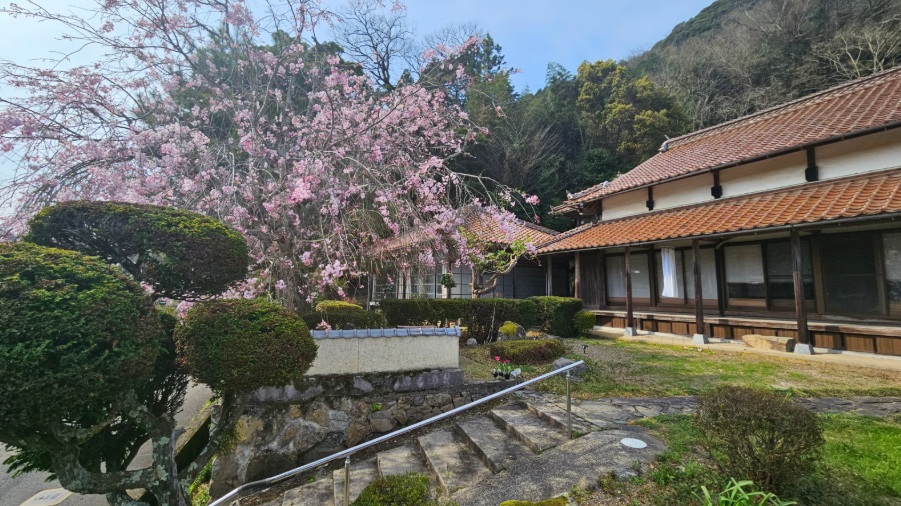 |
Deborah and Jason Brawn's 150-year-old Akiya, which was formerly a sake brewery. Photo: Deborah Brawn |
The quality of these abandoned homes varies significantly. They range from centuries-old wooden structures in rural areas to detached houses in the suburbs. While some suffer from collapsed roofs or structural damage, others have been well-maintained.
Buyers often inherit the seller's belongings and are responsible for their disposal. Tony Gallardo and David Carroll from Australia found purchasing a house remotely for 7,000 USD relatively easy. The challenge arose when they had to clear out the belongings of the deceased previous owner.
Under Japanese law, buyers are required to hire a licensed professional company for waste disposal, rather than disposing of items themselves. Consequently, many new owners choose to leave the contents untouched to avoid additional costs, which in turn risks infestations by insects and termites.
Take Kurosawa and Joey Stockermans purchased a wooden house in the hot spring town of Beppu for 40,000 USD but then spent an additional 40,000 USD hiring contractors to repair crumbling walls. "Our friends in Tokyo all asked, 'Why did you buy that terrible thing?'" Kurosawa recounted. Despite this, they have since acquired six properties. In 2023, they co-founded AkiyaMart, a platform assisting foreigners in finding and buying real estate in Japan.
AkiyaMart has seen substantial growth, increasing its user base from approximately 8,000 to over 60,000 in the past year. The co-founders have directly supported more than 150 clients, including Ooi and Paluso-Serrano.
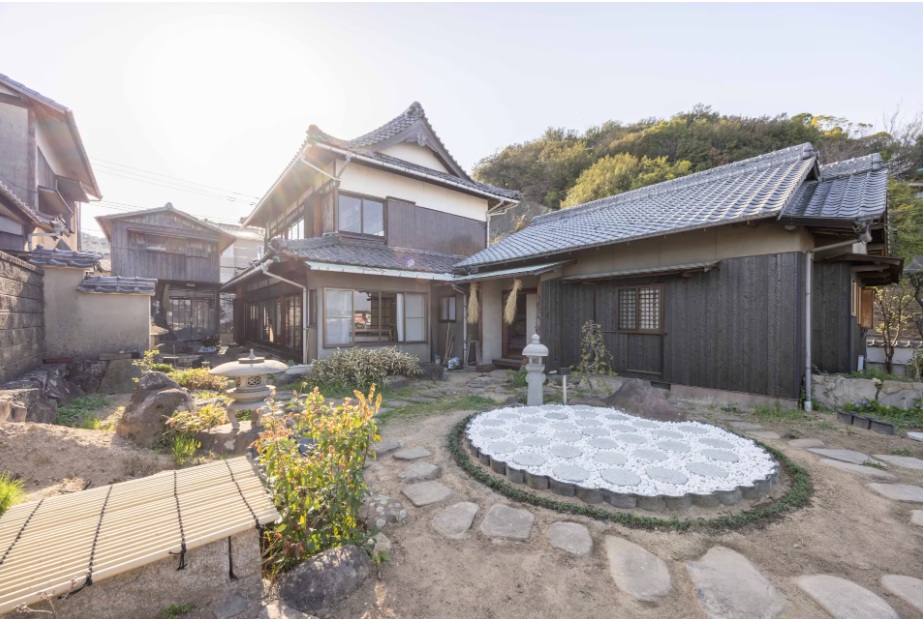 |
Melanie Ooi and Cristian Paluso-Serrano's newly renovated house had been vacant for seven years. Shinichi Yokoyama |
Property ownership in Japan does not automatically grant residency. Foreign owners typically reside on tourist visas. Obtaining a business management visa for long-term settlement has become increasingly stringent, now requiring higher minimum capital investment.
Cultural differences also present challenges. Haruka Oide, a real estate consultant, noted that sellers often take offense to bargaining. Additionally, some homeowners are hesitant to sell to foreigners.
The Brawn family from Australia, Deborah and Jason, had to submit a statement of purpose and commit to staying for at least six months each year before their purchase of a 150-year-old former sake brewery was approved.
Despite these hurdles, many foreigners are actively working to integrate into their new communities. The Brawn family regularly participates in local river cleanups and reads English books to local children.
Ooi and Paluso-Serrano's guesthouse, Sadou Inn, opened last April with significant support from their neighbors. "When you show them you are truly invested in the community, they welcome you very warmly," Ooi stated.
By Nhat Minh (via WSJ)