When their daughter, the sole heir to the family fortune, announced her engagement to a man of unknown background, Nitesh and Vandana Sethi were extremely anxious. The family had scant information about the prospective groom, coupled with numerous rumors. As the parents objected and their daughter refused to back down, family conflict quickly escalated.
In India, traditional marriage is seen as a union of two families, so arranged marriages still prevail. However, with the rising trend of independent dating, many relationships are perceived by elders as lacking a proper background check. Consequently, parents like the Sethis resort to private investigators for verification.
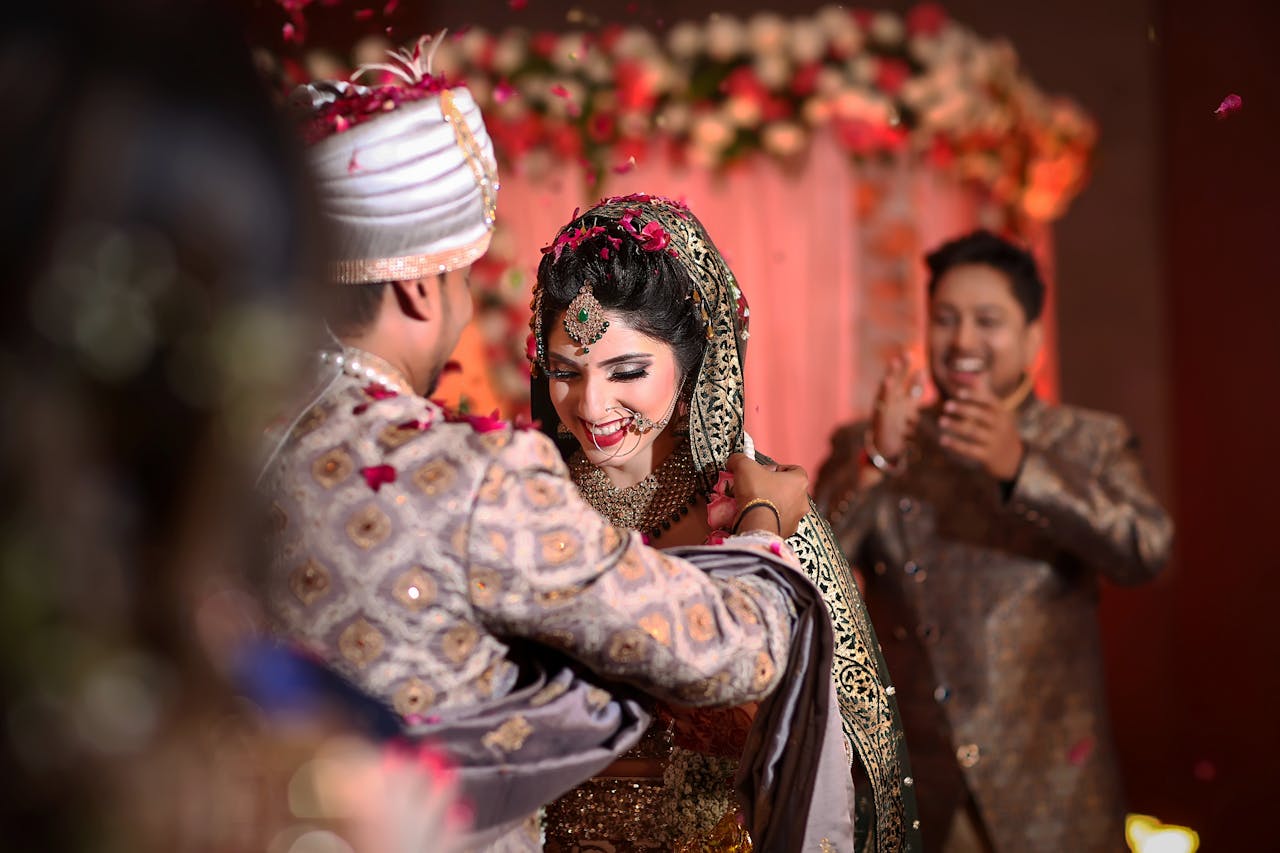 |
Photo: Pexels
At Sleuths India, a private investigation firm run by husband and wife Naman and Nidhi Jain, pre-marital background checks constitute a significant portion of their workload. From a handful of cases two decades ago, they now handle nearly 200 investigations monthly.
The standard investigation process includes: reviewing financial history, verifying employment, checking for substance use habits, and tracking movements. While investigators assert they operate within legal boundaries, their methods sometimes border on ethical grey areas.
In the Sethis' case, an online search revealed inconsistencies in the man's residential address. Neighbors described him as living erratically and rarely going to work. However, this information was insufficient to convince their daughter to call off the engagement.
The company then proceeded to the final step: testing his fidelity. A female investigator was assigned to pose as a newcomer to the city, approaching the man under the pretext of looking for a rental. The conversation quickly led to a dinner invitation.
Hidden cameras recorded the entire encounter. The man invited the "target" to a bar, flirted with her, said he could imagine her in a bikini, and hinted at his private apartment. This evidence decisively resolved the Sethi daughter's stubbornness.
As young people increasingly tend to choose their own partners, the "son-in-law (or daughter-in-law) testing" service is booming in major cities like New Delhi, Mumbai, and Bengaluru. Monthly, private investigation firms receive hundreds of requests, transforming parental anxiety into a lucrative service industry.
The rise of this service stems from the erosion of traditional matchmaking systems. Unlike in the past, when marriages were often arranged through family introductions, which allowed families to easily know the other's background, the current popularity of online dating apps makes it easy for young people to connect with complete strangers.
This information gap heightens parental anxiety, making them willing to pay large sums for peace of mind. Depending on the complexity of the request – from basic background checks and tracking schedules to sending people to set "traps" to test fidelity – the cost for each operation can range from a few hundred to thousands of USD.
By Ngoc Ngan (Source: CNA)