Inflation is increasingly squeezing American households, forcing widespread spending cuts and a reevaluation of basic necessities. A survey by J.D. Power in february revealed that 65% of US consumers feel price increases are outpacing their income growth.
Bryan Williams, 63, a home care worker in Wisconsin, earns USD 17.65 per hour. His low income means he carefully allocates money for rent, bills, and essentials. "I know things are getting worse because I feel it every day", he said.
Vernice Thompson, 63, a retail employee in Virginia, noted that housing costs consume one-half of her income, even with social security benefits. The rising prices of goods, from food to clothing, make it difficult for her to afford them.
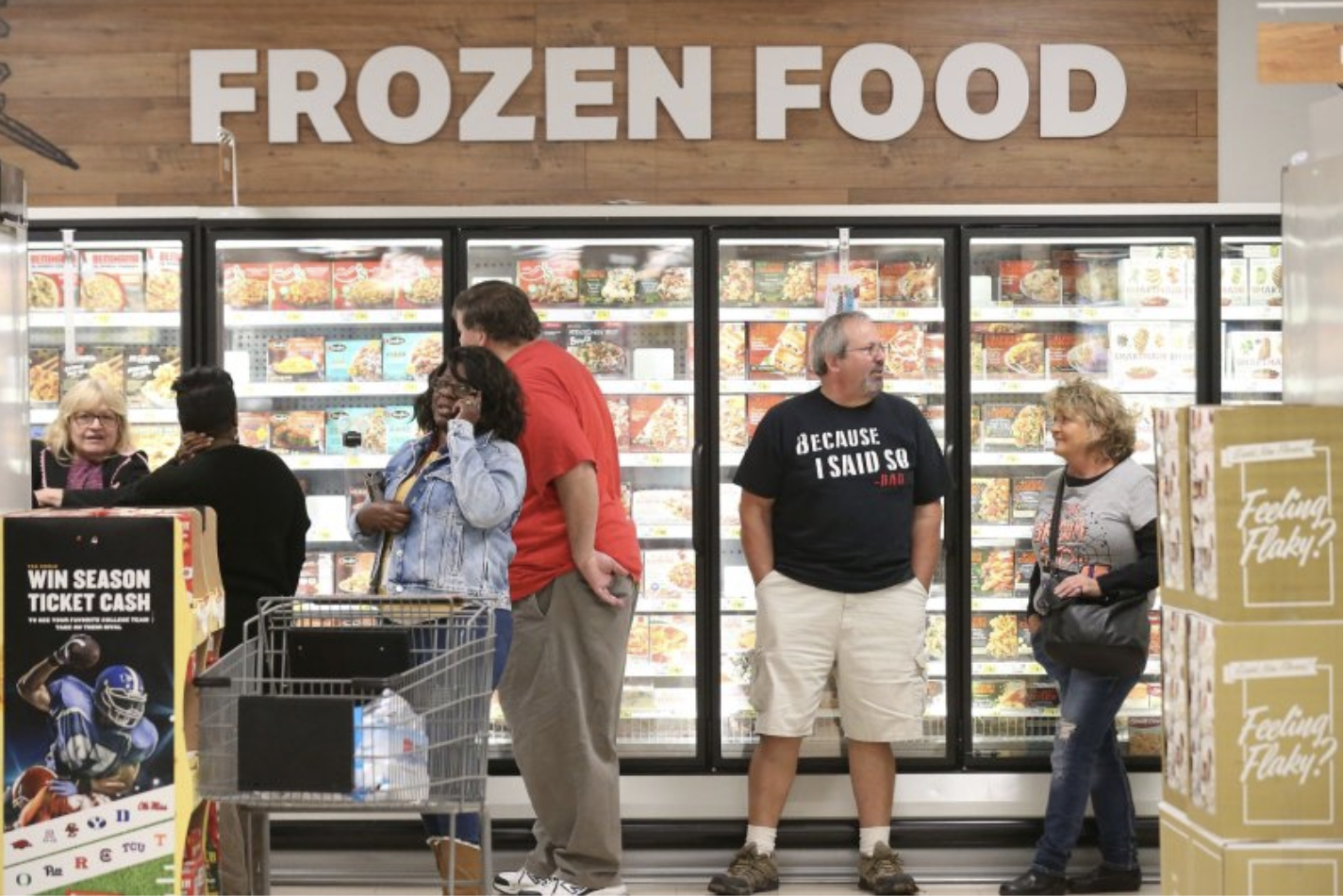 |
Americans are tightening spending as living costs rise but wages remain unchanged. Photo: Bill Greenblatt/UPI |
Data released by the US Bureau of Labor Statistics on 10/4 showed inflation rose from 2.4% in february to 3.3% in march. A 21.2% increase in gas prices, driven by the Middle East conflict, was a primary factor. Cumulatively, based on the consumer price index (CPI), prices in the US have increased by about 16% over the past four years. In contrast, real hourly earnings for workers grew by only 1.4% in the past year, insufficient to improve purchasing power.
The impact of inflation is evident on every supermarket bill. The Bureau of Labor Statistics reported that a dozen eggs, which cost an average of USD 1.51 in 2020, now exceed USD 3.1. The price of a gallon of fresh milk increased from USD 3.3 to nearly USD 4. Concurrently, average rent has risen by at least USD 300 per month compared to four years ago, now holding above USD 1,600.
This disparity is impoverishing workers, compelling them to cut even basic needs. Data from CNBC indicates that approximately 50% of Americans are delaying purchases of clothing and household goods. Other services are also being reduced: 42% are cutting personal care spending, 22% are canceling gym memberships, and 14% are using ride-hailing services less frequently. A significant 39% of households are resorting to credit cards to pay for groceries due to dwindling cash reserves.
As of Q4/2025, US household debt reached USD 18.8 trillion, a 4% increase from the previous year. Credit card debt alone hit a record USD 1.28 trillion.
Gregory Guenther, a financial planner in New Jersey, stated that even high-income groups are feeling the pinch of rising living costs. "The issue is not that people are earning less money, but that the value of money no longer buys as much as before", the expert observed.
General laborers are among the most severely affected. According to a report, the real wages of the lowest 10% income group decreased by 0.3% in 2025. The federal minimum wage of USD 7.25 per hour has remained unchanged since 2009.
Crystal Franklin, 54, a specialist in Virginia, shared that her family has cut entertainment expenses, reduced food purchases, and switched to bus travel to offset gas costs. "We cannot do the things we used to because living costs have increased too much", Franklin said.