On 9/2, the Taiwan Fire Agency issued a warning about kitchen accidents involving glass containers, largely due to incorrect usage habits by homemakers.
The U.S. Consumer Product Safety Commission (CPSC) also noted that within a decade, nearly 12,000 people required emergency medical care for injuries related to shattering glass cookware.
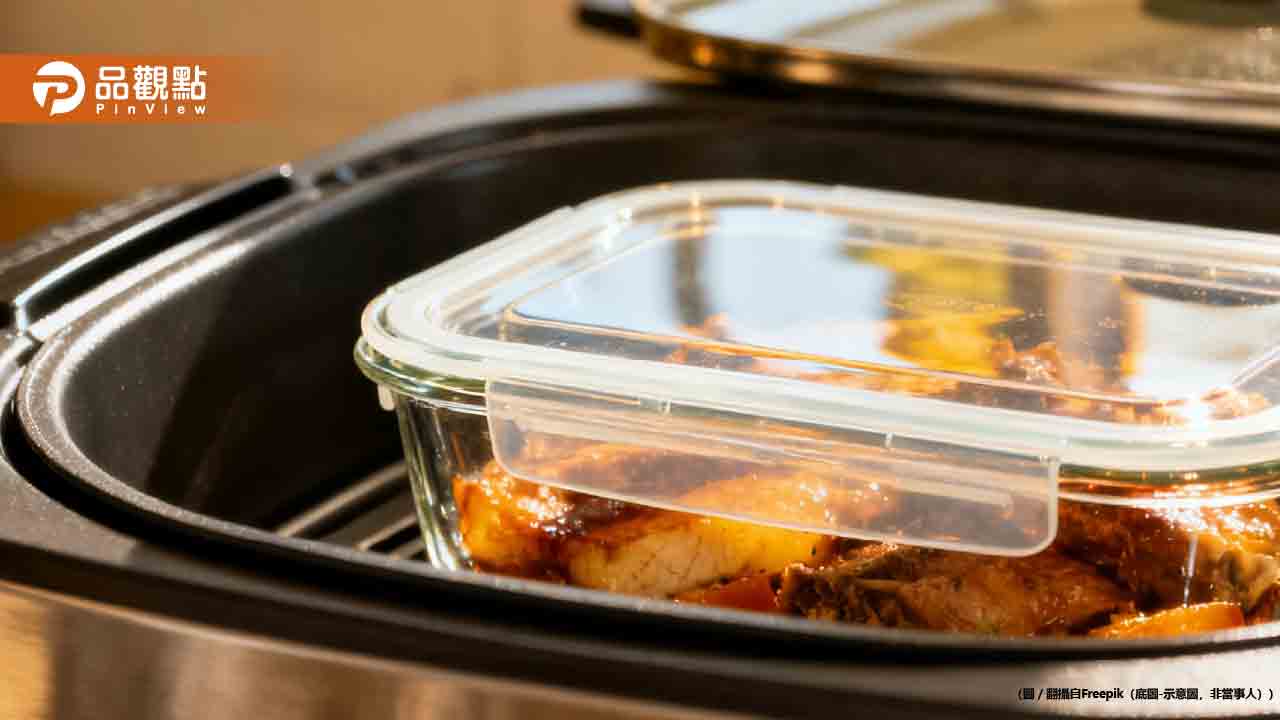 |
Cold glass containers can explode if exposed to heat. *Photo: Pinview* |
The main cause is thermal shock. Even when labeled as tempered, glass conducts heat poorly. When a container at -18 degrees C (freezer) is suddenly placed into a 200 degrees C environment (oven) or boiling water, its outer layer expands rapidly while the core remains cold and contracts.
This conflict creates internal pressure greater than the material's tolerance, causing the container to explode and send sharp fragments into food or towards nearby people.
The U.S. Department of Agriculture (USDA) advises consumers to only use glass labeled "heatproof" for microwave ovens. However, the agency emphasizes never to allow cold containers to immediately contact high temperatures. Food needs to be thawed or warmed gradually.
U.S. glassware manufacturer Anchor Hocking also notes in its user manual: Do not place hot glassware on wet, cold surfaces (such as a stone countertop or wet towel), and do not pour cold liquids into a hot glass pot.
Three safety principles when using glass containers:
The "buffer time" rule: Do not move containers directly from the freezer to the oven. The best method is to transfer them to the refrigerator compartment the night before. If in a hurry, run tap water over the container for a few minutes to balance its temperature.
Remove plastic lids: Most container lids are not heat-resistant. Heating them can cause deformation and release microplastics into food.
Do not heat directly: Unless it is a specialized type, do not place glass containers on a gas or electric stovetop.
"Just an additional 5 minutes of thawing patience will help you avoid the risk of cleaning up debris and protect your family's safety", a representative of the Taiwan Fire Agency emphasized.
Bao Nhien (According to Taiwan News, USDA)