Sarah Lavender Smith, a writer and ultra-runner, lived with breast implants for over two decades. Far from being proud, she admitted to feeling ashamed of these artificial implants, sharing her secret with only a few close friends.
Sarah's decision to undergo breast augmentation came at 34, during a period when she paused her career to be a homemaker. After breastfeeding her two children, her breasts diminished due to her athletic build. Parental comments about "beautiful breasts" and societal pressure for an attractive figure led her to surgery to restore confidence, even though her husband did not request it.
"Looking back, I wish I had been advised to go for psychological therapy instead of surgery that year", the writer shared.
 |
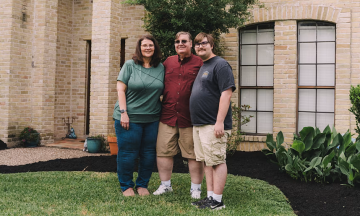
Sarah Lavender Smith removed her breast implants to allow her body to age naturally. Photo: Caleb Thal |
After 22 years, Sarah's body began to show signs of complications. She was diagnosed with capsular contracture, a condition where scar tissue around the breast implant thickens and hardens. This complication caused her pain when lying prone and numbness in one nipple.
Beyond the physical discomfort, a significant shift occurred in her perception. As a passionate runner, Sarah desired to embody natural, healthy aging instead of clinging to artificial beauty. A conversation with Junko Kazukaw, a female athlete who underwent a mastectomy due to cancer but continued to live vibrantly, profoundly impacted her.
"I realized I could be perfectly happy with a flat chest", Sarah said.
Sarah is not alone in this decision. According to the International Society of Aesthetic Plastic Surgery (ISAPS), explant surgeries worldwide nearly doubled between 2017 and 2022.
Dr. Matthew Swelstad, who performed Sarah's surgery, noted that the current trend prioritizes comfort, a smaller, and active appearance. "Many patients remove implants because they realize they underwent surgery due to external pressure or youthful mistakes", he said.
The explant surgery cost Sarah over 5,600 USD. Despite leaving a long scar and requiring a one-month recovery period, she felt immense relief.
Currently, Sarah is very satisfied. Her body is lighter and more agile for running, and the freedom from supportive bras brings her joy. She openly shares her story to encourage women considering implant removal or those who have undergone mastectomy to regain confidence.
"Don't worry too much about your appearance; be happy that your body is healthy enough to move. Women don't need full breasts to be complete", Sarah advised.
When is breast implant removal necessary?
Breast implant removal is typically categorized into two groups of reasons: medical indication (mandatory or recommended) and personal need.
Medical indications (complications):
Capsular contracture: This natural immune system reaction creates a fibrous capsule around the implant, causing the breast to become hard, distorted, and painful for the patient.
Rupture or leakage of breast implants: Saline implants may rupture and deflate. Silicone gel implants often experience a "silent rupture", where the gel remains within the fibrous capsule but can lead to inflammation or lymph node swelling.
Breast implant illness (BII): This manifests through systemic symptoms such as chronic fatigue, joint pain, brain fog, and hair loss.
Cancer risk (BIA-ALCL): A rare type of large cell lymphoma associated with textured breast implants.
Technical specifications: Manufacturers often advise that breast implants are not lifetime devices. The average lifespan of an implant is 10-15 years. After this period, the risk of rupture and capsular contracture increases, making replacement or removal a consideration.
Minh Phuong (According to The Guardian)