Data from a 2022 survey revealed that 29% of Americans were estranged from their parents, children, or siblings. By 2025, this figure increased to 38%. In therapy sessions, a growing number of people describe the pain of "losing loved ones" who are still alive.
The causes of this division do not solely stem from personality conflicts or lifestyle differences. A new, more powerful factor is at play: social media algorithms, designed to optimize engagement by amplifying emotions.
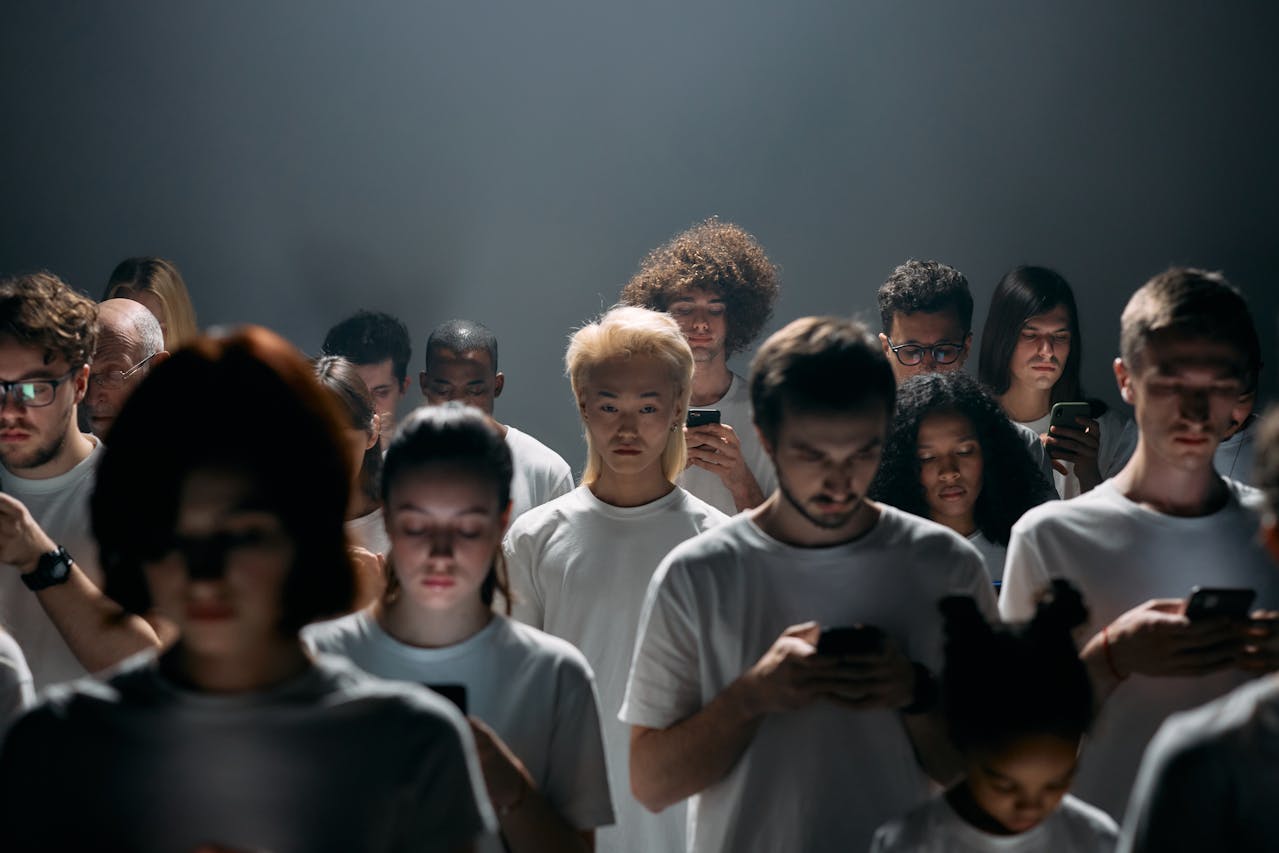 |
Illustration: Pexels
Maria Ressa, a Nobel Peace Prize laureate, described how social media impacts social structures in her book, *How to Stand Up to a Dictator*. She pointed out that algorithms are pushing users toward two opposing extremes.
Algorithms function as a filter, retaining and magnifying only what we want to see. Ressa analyzed, "If you have a bias on an issue, the system will continuously bombard you with information that reinforces that belief. Conversely, those with different perspectives are also pushed deeper into an opposing echo chamber."
As a result, social media inadvertently creates parallel worlds. When two members of the same family browse online, they do not access a shared truth but are "fed" by algorithms with two distinct streams of reality. The distance between them widens with each screen tap.
Internal research from major platforms also acknowledges that negative emotions – particularly anger – are prioritized for distribution by algorithms 5 times more than objective content.
A 2024 study revealed an alarming reality: After just one week of exposure to algorithm-ranked content, users' negative attitudes towards opposing views changed at a rate equivalent to three years of accumulation under normal conditions. This rapid escalation causes family members to become estranged, even hostile, in a matter of weeks.
Living in "filter bubbles", a father's truth might be dismissed as "fake news" by his child, and vice versa. Ideological animosity gradually transforms into emotional antipathy, eroding empathy among blood relatives.
To protect families from this "data war", Dr. Mitchell B. Liester, from the University of Colorado, USA, suggests the following steps:
Create a technology "green zone": Establish no-phone zones during meals or gatherings to reconnect directly through eye contact and conversation.
Select information sources: Actively unfollow extremist accounts, even if they align with your views. Prioritize multi-faceted, objective news sources.
Identify manipulation: When encountering infuriating information, ask yourself: "Is this content providing facts, or is it intentionally trying to provoke my anger for engagement?"
Find common ground: During conversations, focus on core values and family memories instead of debating sensitive political and social issues that are "trending" online.
Reclaiming control over your attention is not just about protecting mental health, but also an effort to salvage the most important relationships in life, before algorithms turn family members into strangers.
Nhat Minh (According to Psychology Today)