Natalie Magosha, 37, grew up in a poor family in Zimbabwe. To enable her to attend university, relatives and neighbors contributed money for her tuition.
Upon receiving her first monthly salary, Natalie used the entire amount to pay for her siblings' education and purchase food to send back home. She considered supporting her family a natural responsibility and a source of pride. However, her account was often empty just days after payday. At times, Natalie had to borrow money to send funds home.
Unlike colleagues who could save and invest, Natalie said she had to balance her own future with her family responsibilities.
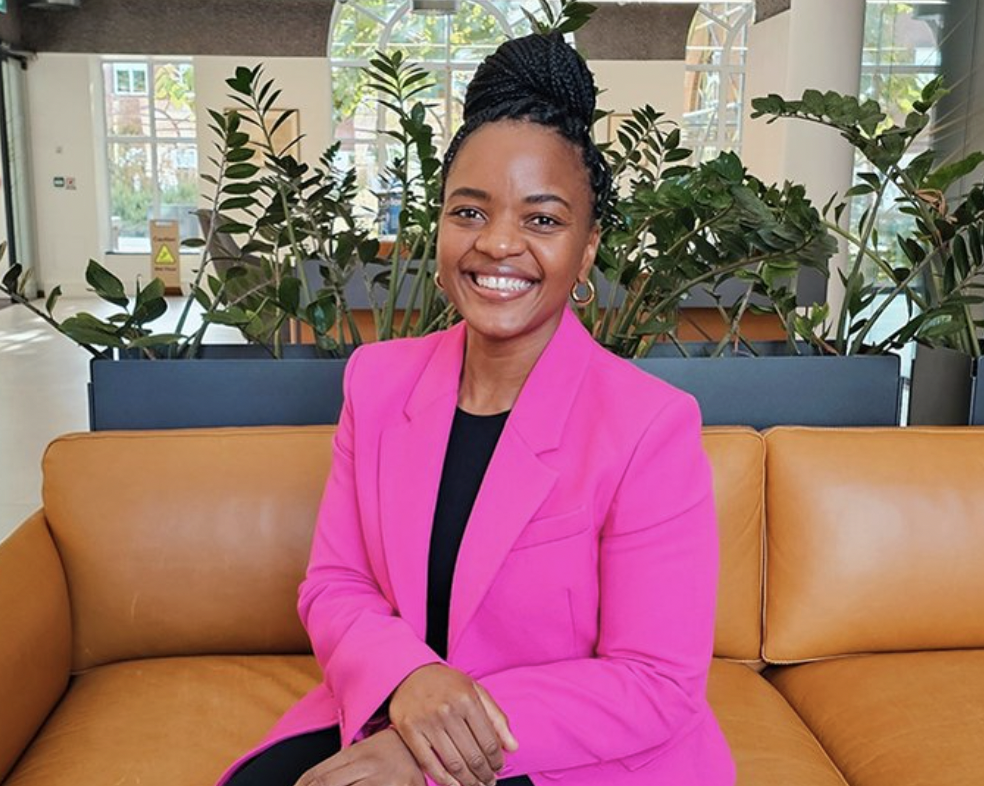 |
Natalie Magosha in Zimbabwe. Photo: Fidelity |
Natalie Magosha in Zimbabwe. Photo: Fidelity
In Africa, a working individual's salary often serves as the lifeline for an entire extended family. This strong connection gives rise to the concept of the "black tax", rooted in the Ubuntu spirit – "I am because we are" – which emphasizes community. According to the Pietermaritzburg Economic Justice & Dignity (PMBEJD) organization, in South Africa, where unemployment exceeds 42%, each working person supports nearly 4 others. In Lagos, Nigeria, residents spend an average of 20% of their monthly salary to support relatives.
This financial pressure persists even when they migrate to developed countries. According to the World Bank, billions of USD in remittances are transferred annually from the UK to developing countries. Of this, over USD 1,2 billion is sent to Nigeria. Many immigrants must postpone plans to buy homes or have children to ensure their families' lives back home.
Gerald Mwandiambira, a financial planning expert and Director of the South African Savings Institute (SASI), stated that the long-term consequence of the "black tax" is the fragmentation of accumulated wealth across an entire generation.
"Many young Africans miss opportunities for their own future because they cannot save early. They lose the chance to own homes and lack retirement funds in old age. Consequently, they become a financial burden on their children, ensuring the 'black tax' cycle never ends", he said.
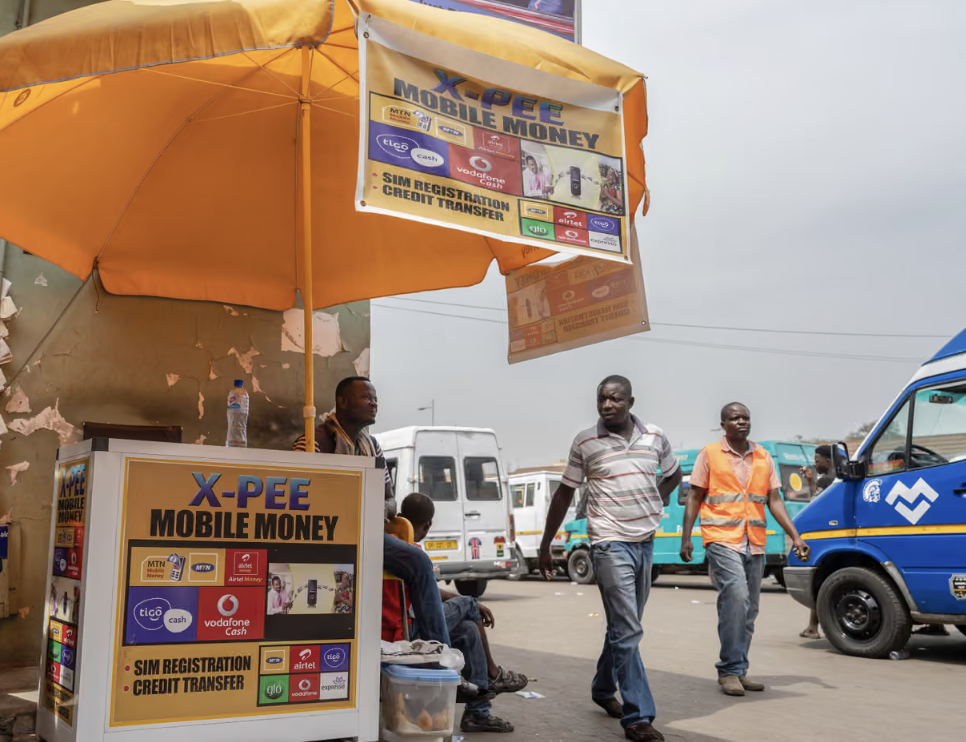 |
A money transfer service kiosk in Accra, Ghana. Photo: Guardian |
A money transfer service kiosk in Accra, Ghana. Photo: Guardian
Mpho Hlefana, 37, grew up in Soshanguve, South Africa. Her low-income parents still managed to send their children to good schools. Although apartheid ended in 1994, economic inequality persists there. In 2023, the average income of white households was still 5 times higher than that of black households.
Currently a marketing department head in Johannesburg, Hlefana continues to aim for wealth accumulation, preparing a home and car for her two children. She said her children need a better starting point than the previous generation, similar to the expectations her parents had for her. However, she must always maintain a contingency fund to support relatives.
According to the African Development Bank (AfDB), continent-wide remittances in 2022 reached USD 100 billion, surpassing both foreign aid and investment. Many individuals like Natalie and Hlefana stated they are striving to establish financial boundaries, with the goal of helping future generations escape the "black tax" cycle.
Ngoc Ngan (According to Guardian)