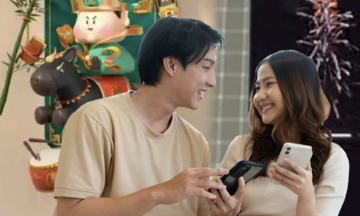
Xiaoya has visited an amusement park in Chongqing ten times in three months, specifically to see Bengbeng, an actor who is 1,88 meters tall and has a muscular physique. Bengbeng is an NPC (non-player character), a gaming term referring to actors portraying virtual characters to interact with visitors in real life.
Beyond taking photos, Xiaoya also receives hugs, dances, and emotional support from the NPC. "He always respects me and makes me feel secure," she said.
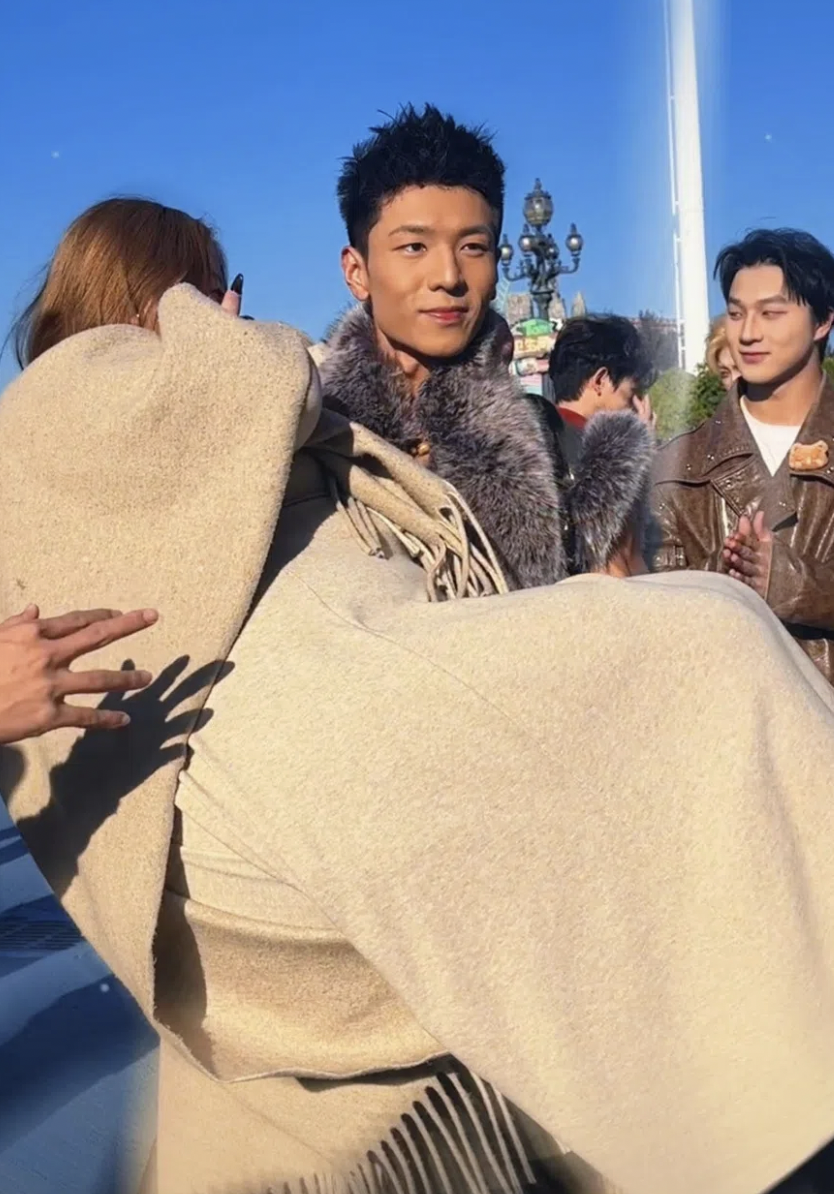 |
Female tourists utilize the "handsome guy carry" service at a Chongqing amusement park, China. *Photo: Think China* |
Bengbeng is one of thousands of NPCs recruited over the past year at tourist attractions across China. The "princess carry" service has become a sensation, with men like Bengbeng performing hundreds of carries for female visitors daily.
This service gained popularity at Mount Tai, Shandong province, starting in 2023, and has since spread to numerous mountain tourist destinations over the past two years. These male companions assist with carrying backpacks, taking photos, guiding guests up and down slopes, and in some cases, carrying them to the summit. Some even offer a "boyfriend for a day" service.
They even perform kabedon, a masculine gesture from romantic comics where a person is pinned against a wall, to satisfy women's emotional needs.
This trend is fueling the "handsome guy economy", a male companionship service sector. A Sinolink Securities report projects this market could reach 7 billion USD by 2025, a significant increase from an estimated 5,6 billion USD in 2019. The primary drivers are financially independent urban women who desire emotional pampering.
Fang Yijia, 25, a former media professional, transitioned to being a "mountain companion" in May 2024. Leveraging his muscular appearance on social media, Fang carries items, provides encouragement, and even transports clients to the mountain summit. His consistent work can earn him up to 1,400 USD (approximately 35 million VND) per month.
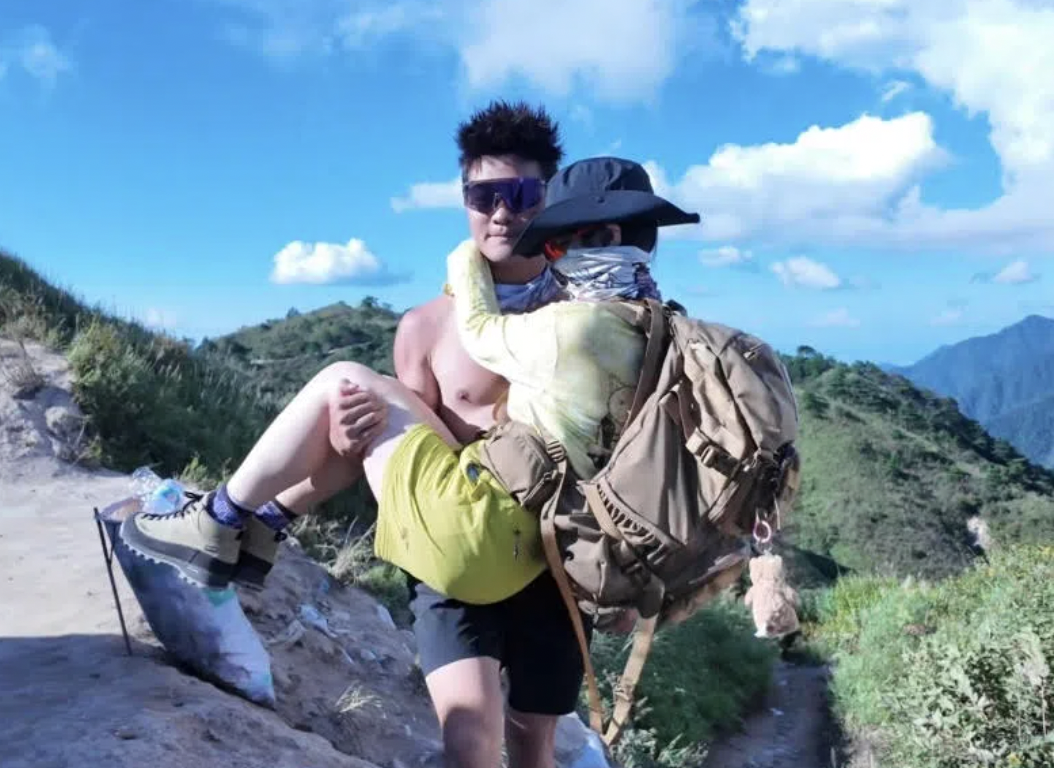 |
The "mountain companion" service at Mount Tai, Shandong province, China. *Photo: Think China* |
Professor Song Geng, a gender studies expert at the University of Hong Kong, notes that in traditional Confucian culture, women had less opportunity to express personal desires and were often judged more harshly than men. "As social power relations shift, particularly in urban areas, women gain more autonomy in their emotional lives and self-expression," he explained.
Associate Professor Wu Changchang from East China Normal University (ECNU) points out that urban Chinese women today have greater spending power and are openly expressing their appreciation for men. This approach offers women a temporary sense of security. "At least, they are guaranteed emotional satisfaction for the time they pay for," Wu stated.
However, the line between service and genuine emotion remains a gray area. Fang Yijia admits that many female clients develop real feelings and seek to advance the relationship, requiring him to politely decline. Experts also caution about the lack of a legal framework to regulate this sensitive service, which poses potential risks of harassment or disputes.
Conversely, with rising youth unemployment, jobs like mountain companions or NPCs at tourist destinations offer new employment options for many men.
Professor Wu Changchang observes that in an unstable post-pandemic economy, many young people prioritize income over traditional emotional norms. "Businesses have identified opportunities in women's consumption, and the men participating in these services are well aware they are becoming a form of commodity," he said.
Ngoc Ngan (According to Think China)