Foreigners visiting Japan often encounter dishes served with raw eggs. These range from breakfast rice bowls, known as Tamago Kake Gohan, and Tsukimi Udon noodles to rich dipping sauces for grilled beef.
While the world worries about salmonella bacteria, a leading cause of food poisoning, Japanese people confidently consume raw eggs daily. This confidence stems from a stringent quality control system, meticulously managed from the farm to the supermarket shelf.
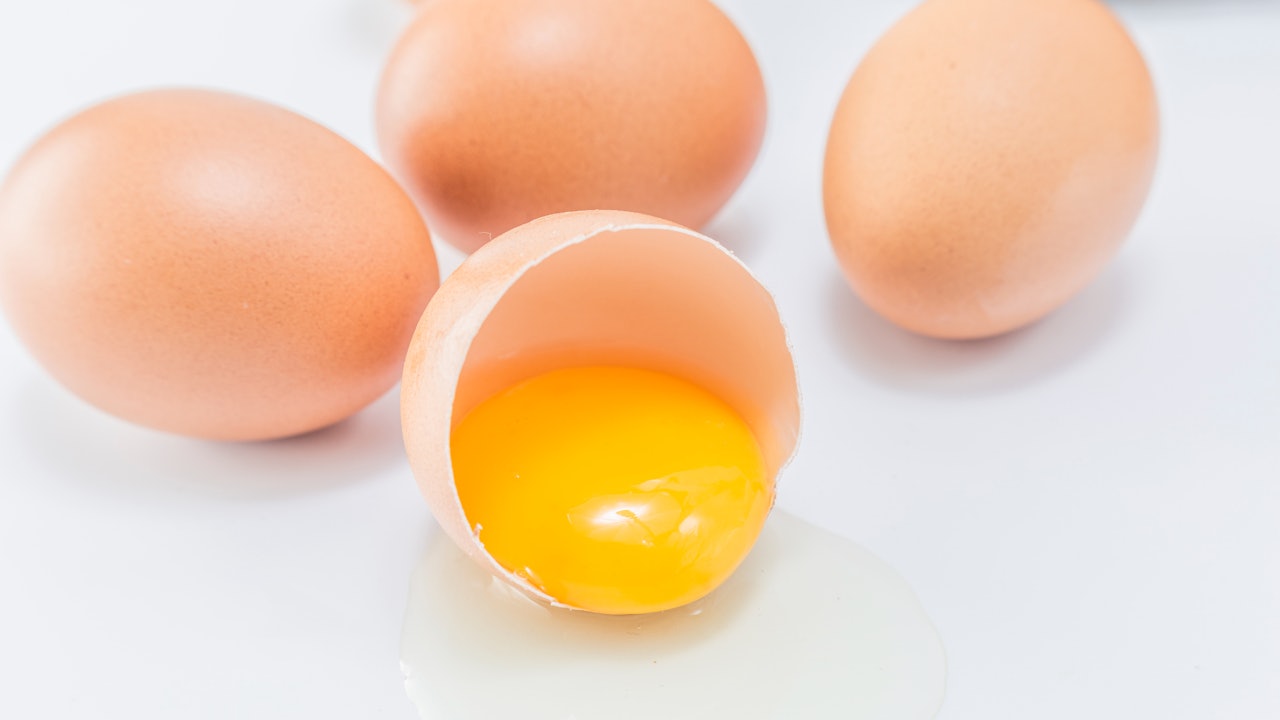 |
Photo: FREEPIK |
Stopping bacteria from the egg's inception
According to the Japan Poultry Association (JPA), the safety process begins right from the rearing environment. Instead of free-range farming, laying hens are typically raised in enclosed systems. This prevents wild birds, insects, or rodents, which can carry pathogens, from entering. At large farms, such as ISE Foods, hens receive vaccinations against salmonella from a young age. This measure prevents bacteria from transmitting from mother hens to eggs, known as vertical transmission. Feed and water are also controlled under the Food Sanitation Law to ensure they contain no impurities.
Technology at GP Centers
After harvesting, eggs do not go directly to market. Instead, they must pass through "GP Centers," which stand for Grading and Packing. Here, eggs undergo a high-tech cleaning process. A key difference from practices in the United States or Europe is the mandatory washing and sanitizing of eggs. While other regions often avoid washing to preserve the natural protective membrane, or cuticle, Japan requires eggs to be cleaned with warm water and disinfectant. This step thoroughly removes bacteria from the shell, even though it sacrifices the natural membrane.
Following washing, specialized detectors analyze the spectrum to remove eggs containing blood or foreign objects. An automatic hammer system then gently taps each shell, analyzing the sound. This acoustic testing identifies tiny cracks invisible to the naked eye, which could otherwise serve as entry points for bacteria.
Expiration date means "safe to eat raw" date
An interesting detail on Japanese egg cartons is the phrase "Best before." According to regulations, the date printed on the packaging actually signifies the "safe to eat raw period," known as Shomi Kigen. This period is calculated based on the growth rate of salmonella bacteria. It typically extends for 14 days in summer and 21 days in winter after the hen lays the egg. After this specific timeframe, eggs remain edible, but must be cooked thoroughly.
Cold supply chain
Because the natural protective membrane is washed away, Japanese eggs must be kept refrigerated throughout transport and sale. The standard temperature consistently remains below 10 degrees C to inhibit bacterial growth. In Japan, eggs are always displayed in refrigerated units, from large supermarkets to convenience stores, unlike many other countries where they are kept at room temperature. This model is now exported to places such as Hong Kong and Singapore, meeting consumer demand for safely enjoying raw eggs.
Bao Nhien (According to HK01)