Pillows, which directly absorb sweat and accumulate skin oils, are often overlooked in regular cleaning. This neglect eventually causes yellowing, impacting their appearance and potentially leading to skin issues.
Hygiene experts suggest several simple remedies using readily available household ingredients.
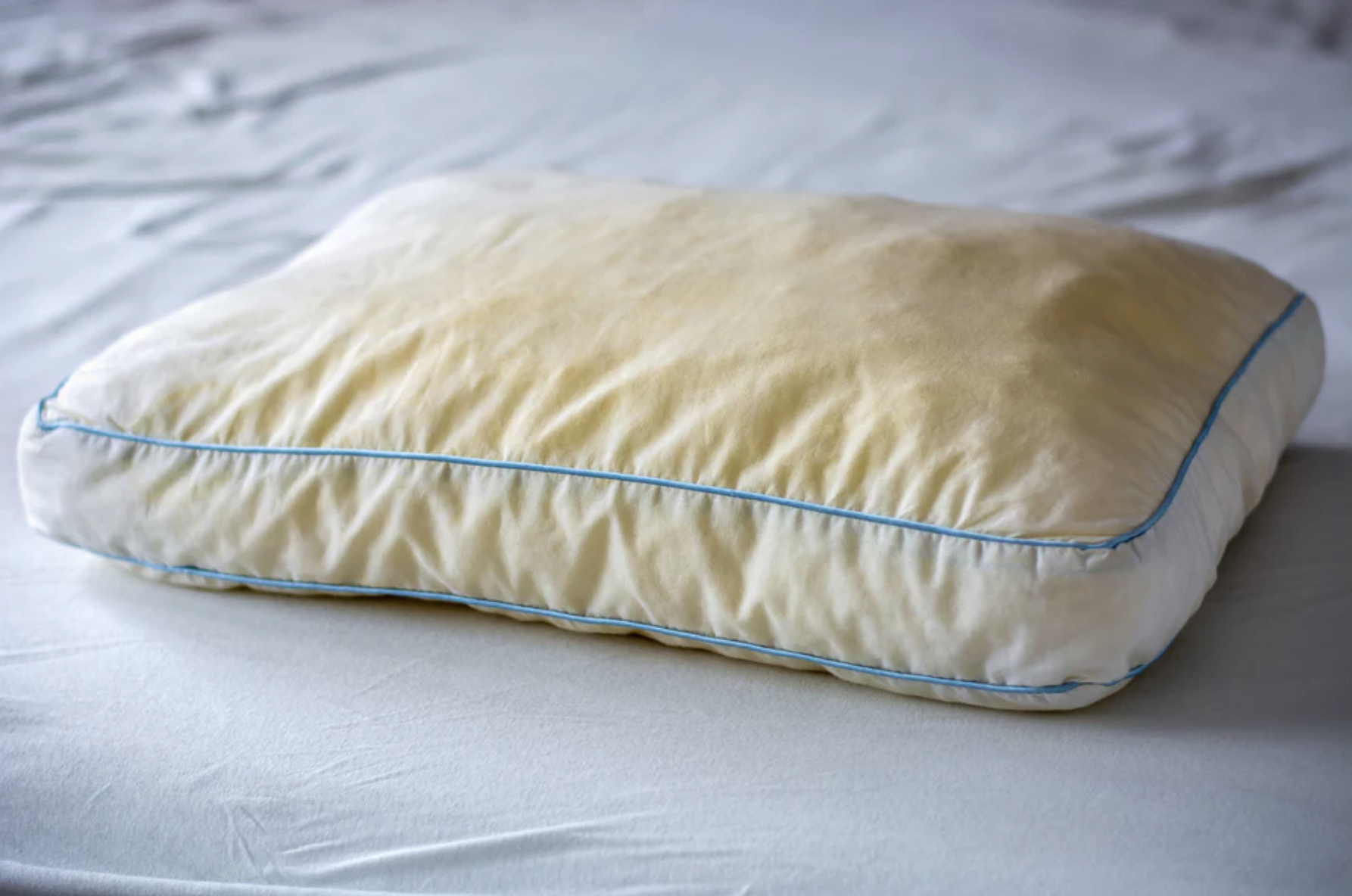 |
Sweat, body chemistry, and cosmetic residue are common causes of pillow yellowing. Photo: Casper.com
Machine washing: Before washing, users should check the pillow's care label to ensure the material is machine-washable. For instance, memory foam pillows are not suitable for machine washing; their components must be removed beforehand to prevent allergen accumulation.
For machine-washable pillows, use hot water and an enzyme-based detergent to break down stains. Adding white vinegar to the fabric softener dispenser can help tackle stubborn discoloration. Soak the pillow for about one hour, or use the machine's soak cycle, to pre-soften the stains. To prevent clumping and ensure even fluffing, include a few wool dryer balls or clean tennis balls in the wash. Finally, dry the pillow completely to prevent unpleasant odors and mold.
Baking soda and vinegar: When conventional washing fails to remove persistent yellow stains, a more potent solution is required. The combination of baking soda and white vinegar offers an effective cleaning method in five steps:
- Mix baking soda with water to form a thick paste, then test it on an inconspicuous area of the pillow.
- Apply the paste directly to the yellowed area, leaving it on for 15-30 minutes.
- Dampen a clean cloth with white vinegar and gently dab it onto the stain to dissolve the paste and lighten the discoloration.
- Rinse the pillow thoroughly with water once the stain has disappeared.
- Wash the entire pillow according to the care label instructions. Tip: Add a few drops of lavender essential oil to the wash water to neutralize the vinegar smell and promote better sleep.
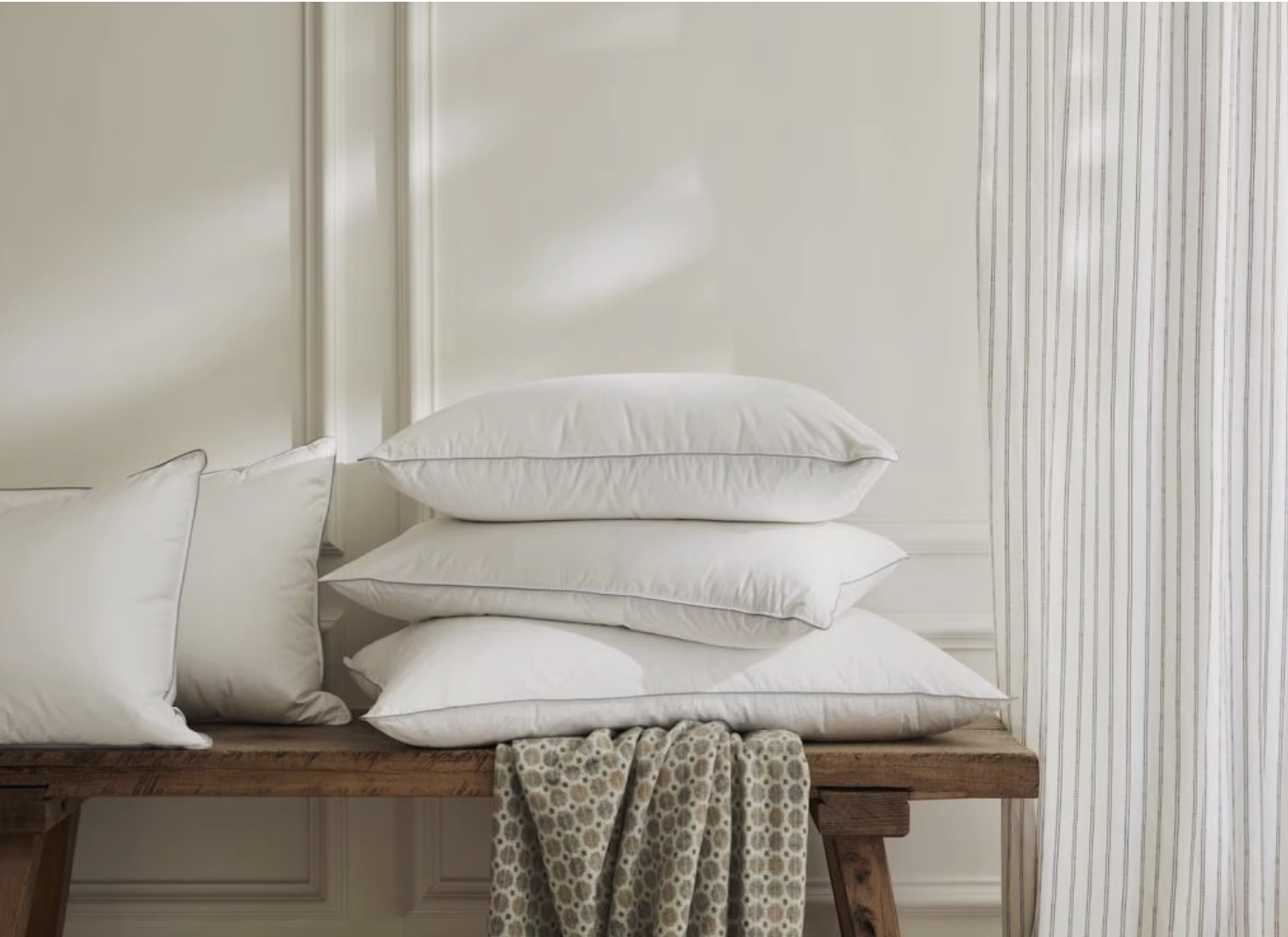 |
A mixture of baking soda and white vinegar can safely whiten pillows. Photo: Theenglishhome
Hydrogen peroxide solution: Create a cleaning solution by mixing hydrogen peroxide with warm water in a 1:1 ratio. Transfer the solution to a spray bottle and apply an even layer to the yellow stains, taking care not to saturate the pillow. Place the pillow near an open window or in direct sunlight for at least one hour; ultraviolet (UV) rays enhance the brightening effect when combined with hydrogen peroxide.
Lemon juice and vinegar: Combine lemon juice with either white vinegar or water. Spray this mixture onto the pillow and let it air dry in direct sunlight for about one hour to naturally brighten the fabric.
Oxygen-based bleach (chlorine-free): Unlike harsh chlorine bleaches, oxygen-based products containing sodium percarbonate or hydrogen peroxide effectively remove stains and lift brownish-yellow marks from fabrics, cotton, and foam. Always follow the manufacturer's instructions on the packaging precisely.
Preventative measures for pillow yellowing
Lucy Ackroyd, Head of Design at premium bedding brand Christy, emphasizes that proactive prevention and regular maintenance are key to stopping stains from setting deeply into fabric fibers. She offers the following measures:
Use pillow protectors: A pillow protector acts as a barrier, preventing sweat, liquids, and oils from permeating the pillow's core. Opt for machine-washable, breathable protectors with a dense weave (approximately 3-4 microns) for optimal moisture protection.
Pre-sleep hygiene habits: Always remove makeup thoroughly and ensure your hair is completely dry before bed. If you have a skincare routine, complete it at least one hour before sleeping to allow products to fully absorb.
Maintain a cool bedroom temperature: A cooler sleeping environment promotes easier sleep, minimizes night sweats, and reduces the amount of moisture transferred to your pillow.
Regular pillow maintenance: Wash pillowcases at least once a week and pillow protectors monthly. For pillows that are not machine-washable, use a homemade solution for routine surface cleaning.
Minh Phuong (Sources: Juniper, The English Home, Diyjoy)