Yuni Matsumoto, from Tokyo, often drew attention in class during roll call. His name, written with Kanji characters, had an unusual pronunciation that even Japanese people found difficult.
In junior high, friends ridiculed Yuni because of his name. The prolonged pressure forced him to drop out of school. In 2023, at the age of 24, he petitioned the court to change his name to Yuuki, a more common and easily pronounced name in Japan.
"I felt I was finally free", he said.
Yuni belongs to the "kira kira" (meaning "sparkly") group - a naming trend that emerged in Japan in the 1990s. Parents often choose Kanji characters with beautiful meanings but pronounce them like cartoon characters, brand names, or foreign words to make their children unique. However, these very names cause children to attract attention and ridicule.
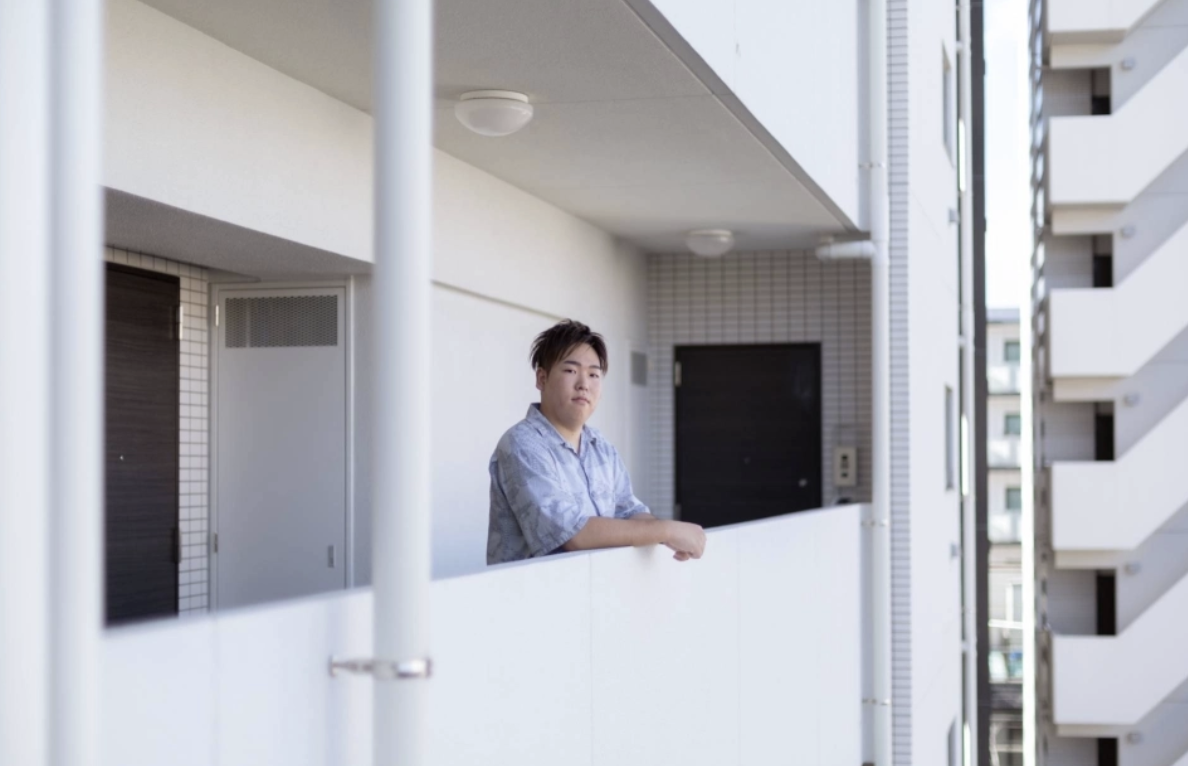 |
Yuni Matsumoto. Photo: Japan Times |
A similar case is Akaike Ojisama. The three Kanji characters forming his name mean "sir prince". His mother chose that name because she considered her son her only prince.
On one occasion, Akaike could not get a membership card because staff did not believe it was his real name. In 2019, before graduating from high school, the 18-year-old requested to change his name to Hajime. His court-approved announcement garnered over 100,000 shares on social media. Akaike advised parents to be cautious when naming their children because it is the children, not the parents, who must live with that name for life.
In England, Jasmine Dagless was once named Ikea. Her mother chose this name after seeing a television advertisement for the furniture company. By school age, friends called her "flat-pack furniture".
"I faced significant bullying in primary school", she recounted. At 12 years old, she changed her name to Jasmine.
These cases illustrate that an unusual name can cause inconvenience from the classroom to the workplace. Individuals with such names must constantly explain, correct pronunciation, or face prejudice before having the chance to express themselves.
A study in the Journal of Managerial Psychology once asked participants to assess employability based on different types of names. The results showed that common names were preferred and rated higher, while overly unusual names ranked last.
Despite this, many parents worldwide still seek out unique names. According to the Mainichi newspaper, infants in Germany were once named Ikea, Fanta, and Chanel. A baby in England was named Everest in 2024. In the US, Kasai (a Japanese word meaning "fire") became the fastest-rising boy's name in 2025. According to the US Social Security Administration, this name jumped 1,108 ranks, from position 1,747 to 639.
To limit problems in schools and administrative agencies, some countries have begun to implement stricter regulations on naming.
In 2015, a French court rejected the name Nutella (a chocolate brand name) out of concern the girl would be ridiculed, subsequently compelling the family to change it to Ella. New Zealand rejects names that are offensive, excessively long, or resemble titles such as King, Prince, Princess, and Major.
Japan also tightened regulations after years of debate. Previously, parents could choose Kanji characters with beautiful meanings but register unrelated pronunciations, for example, using characters for light and universe then pronouncing them as Pikachu. Kitty, Nike, Diamond, or Pudding were also used as children's names.
Starting on 26/5/2025, the pronunciation of a name must be recorded in the family register and have a reasonable connection to the Kanji characters. Otherwise, parents must explain or choose a different name. The regulation aims to avoid confusion in schools, hospitals, and administrative agencies.
Ngoc Ngan (According to Mainichi, New York Times, AP)