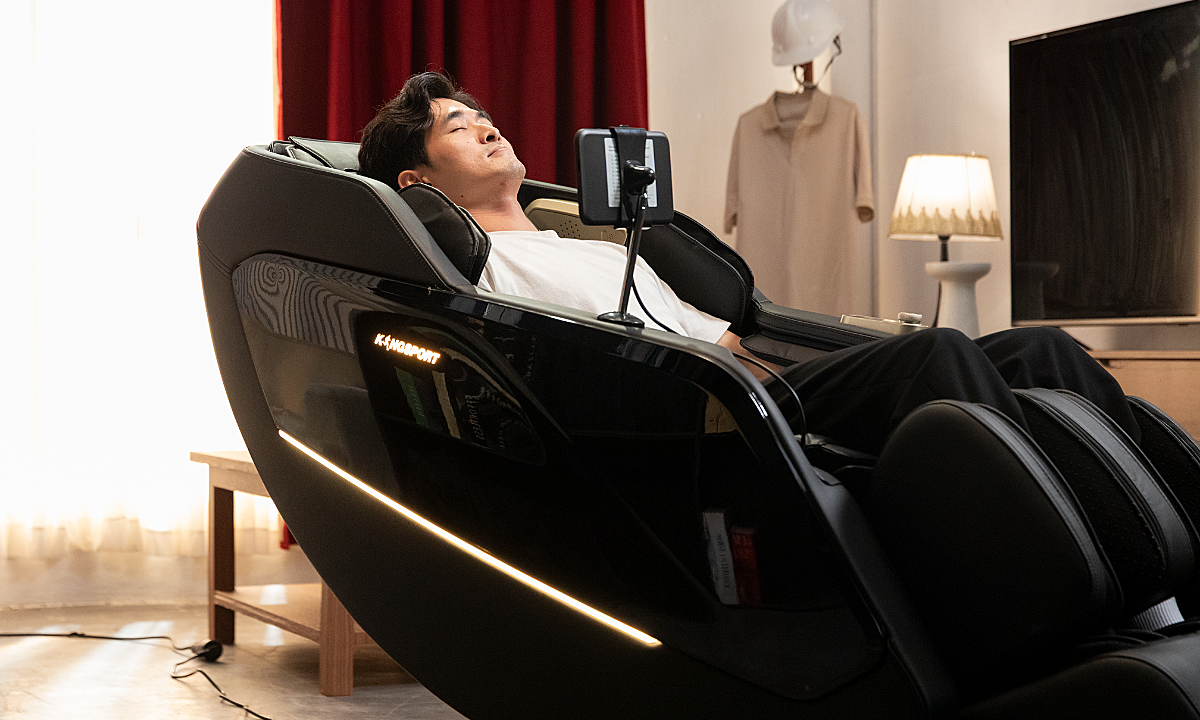
Professor Juan Antonio Madrid from Murcia University (Spain) notes that people often experience a decrease in alertness approximately 6 to 8 hours after waking up. Building on this physiological phenomenon, in 2023, the German Federal Association of Physicians of the Public Health Department recommended that individuals take short naps in the summer to cope with heat and enhance work performance.
However, prolonged napping generally offers no benefits, except in specific situations, such as night shift workers needing to catch up on sleep.
According to experts, napping for too long increases "sleep inertia". Doctor of Physiology Maria Jose Martinez Madrid, Director of the Kronohealth sleep consulting center (Spain), explains that this state causes the body to feel sluggish, reduces concentration, and can lead to irritability for 15 to 60 minutes after waking. This condition may increase the risk of workplace or traffic accidents if individuals resume work immediately after waking.
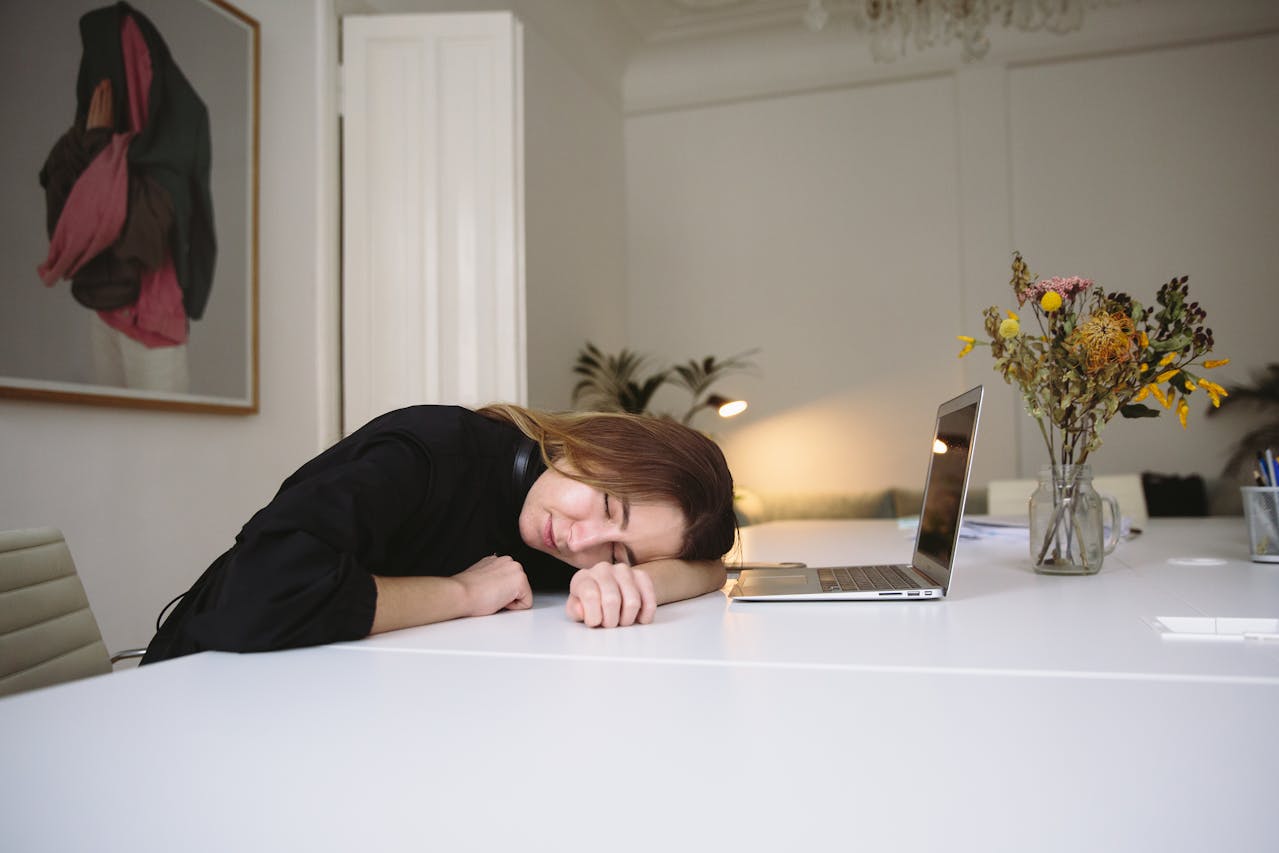 |
Anh minh hoa: Pexels
Doctor Ainhoa Alvarez, President of the Spanish Sleep Association (SES), states that extended naps also reduce sleep pressure at night, making it difficult for people to fall asleep on time or causing them to wake up frequently. She likens this habit to "drinking caffeine in the afternoon".
Numerous observational studies have also noted a correlation between prolonged napping and increased cardiovascular risk and higher mortality rates. Nevertheless, Ms. Martinez Madrid cautions that this might be a case of reverse causality. Individuals with underlying health conditions or poor night sleep quality often experience fatigue and tend to take longer naps, meaning the nap itself is not necessarily the direct cause of illness.
Instead of long naps, experts advocate for the "power nap" method. This involves a short nap lasting 10 to 20 minutes, with a maximum of 30 minutes, taken in the early afternoon (from 13h to 15h). During this duration, the body only enters a shallow sleep stage. Waking up before entering a deep sleep stage helps improve alertness, reaction speed, and mood without negatively affecting night sleep.
Another solution gaining attention is the "coffee nap". Individuals drink mot cup of coffee immediately before napping. Since caffeine takes 20 to 30 minutes to take effect, it stimulates the brain precisely as the person wakes up, effectively doubling alertness. However, this method is not recommended for those sensitive to caffeine.
Experts emphasize that each individual needs to adjust their napping habits to suit their physical condition. Children, the elderly, and those who are sleep-deprived can maintain this habit, provided they do not nap too late in the afternoon. Conversely, for patients with insomnia, extended afternoon naps can create a vicious cycle: night insomnia leads to daytime sleepiness, and attempting to compensate for sleep during the day further disrupts night sleep.
Ngoc Ngan (According to El Pais)