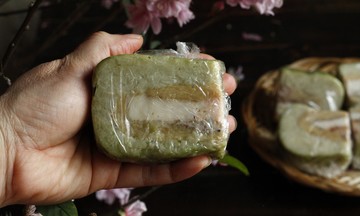
Banh chung, a staple of the traditional Tet feast, symbolizes prosperity with its ingredients of sticky rice, fatty pork, and mung beans. Yet, its richness in protein, high starch content, and inherent fattiness can quickly lead to a feeling of fullness or indigestion. To counter this, many Hanoian families in the past would meticulously prepare a pot of braised fish, served alongside mildly sour pickled onions.
This pairing, though seemingly unconventional at first glance, carries deep significance in both culinary tradition and lifestyle.
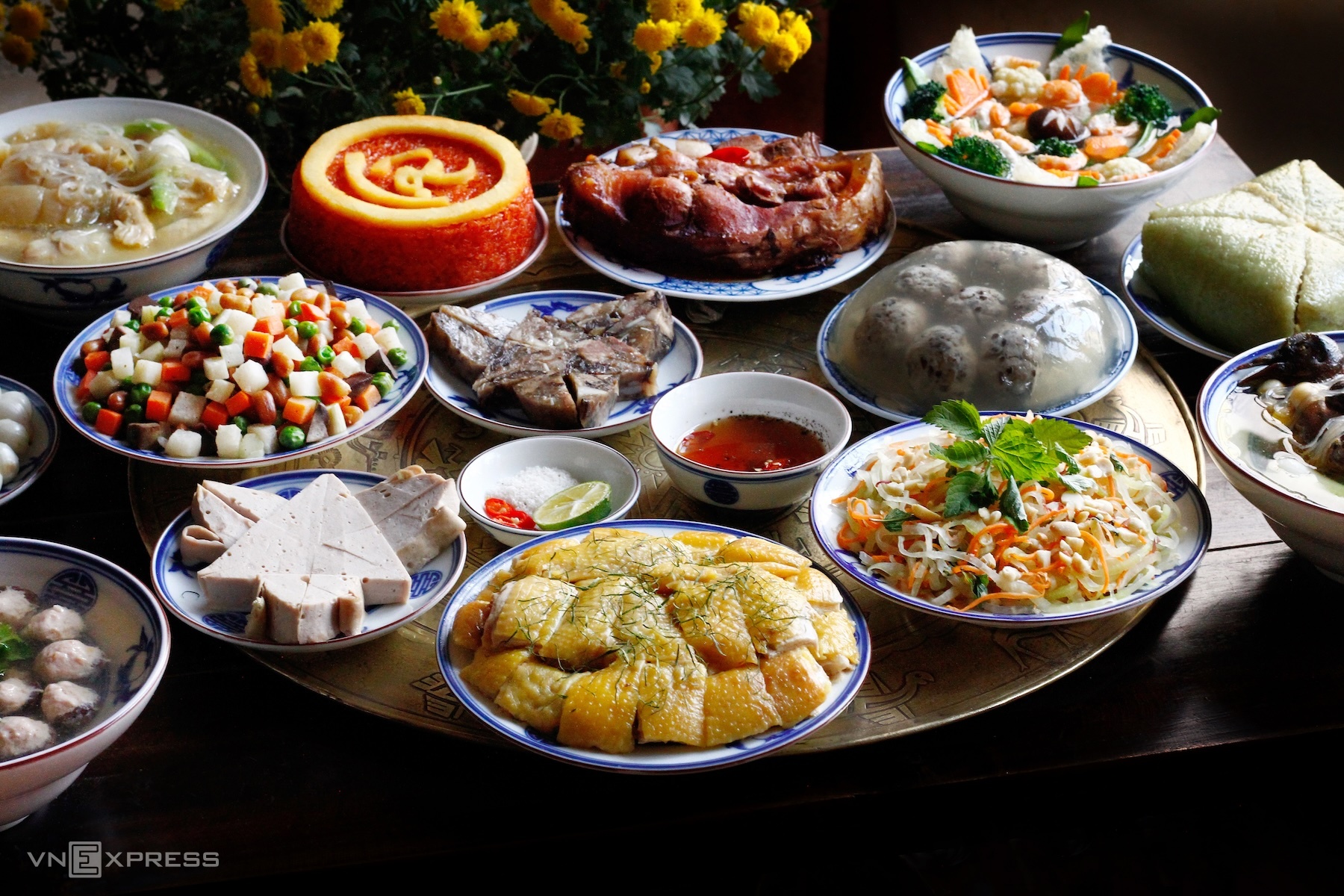 |
Traditional Hanoi Tet feast. Illustration: Bui Thuy |
Balancing flavors and combating richness
From a culinary perspective, braised fish serves as a crucial "flavor anchor". The soft, rich texture of banh chung contrasts with the firm, intensely savory, and aromatic notes of galangal and lemongrass in the braised fish. The fish's salty and subtly spicy profile effectively neutralizes the richness of the pork fat and sticky rice, stimulating the appetite during Tet, a time often marked by an abundance of rich, meaty dishes.
Yin-yang culinary philosophy
From a dietary perspective, this pairing embodies the principle of yin-yang balance. Banh chung, made with sticky rice and mung beans, is considered 'yin' and 'cold', which can sometimes lead to digestive heaviness. Conversely, Northern-style braised fish is often cooked slowly over low heat for hours (sometimes reheated two or three times), infused with warming spices like mature galangal, ginger, pepper, and chili. These ingredients impart a 'yang' quality.
When consumed together, the 'yang' properties of the fish assist in digesting the 'yin' banh chung, promoting bodily equilibrium and preventing the common Tet holiday discomforts of bloating and indigestion.
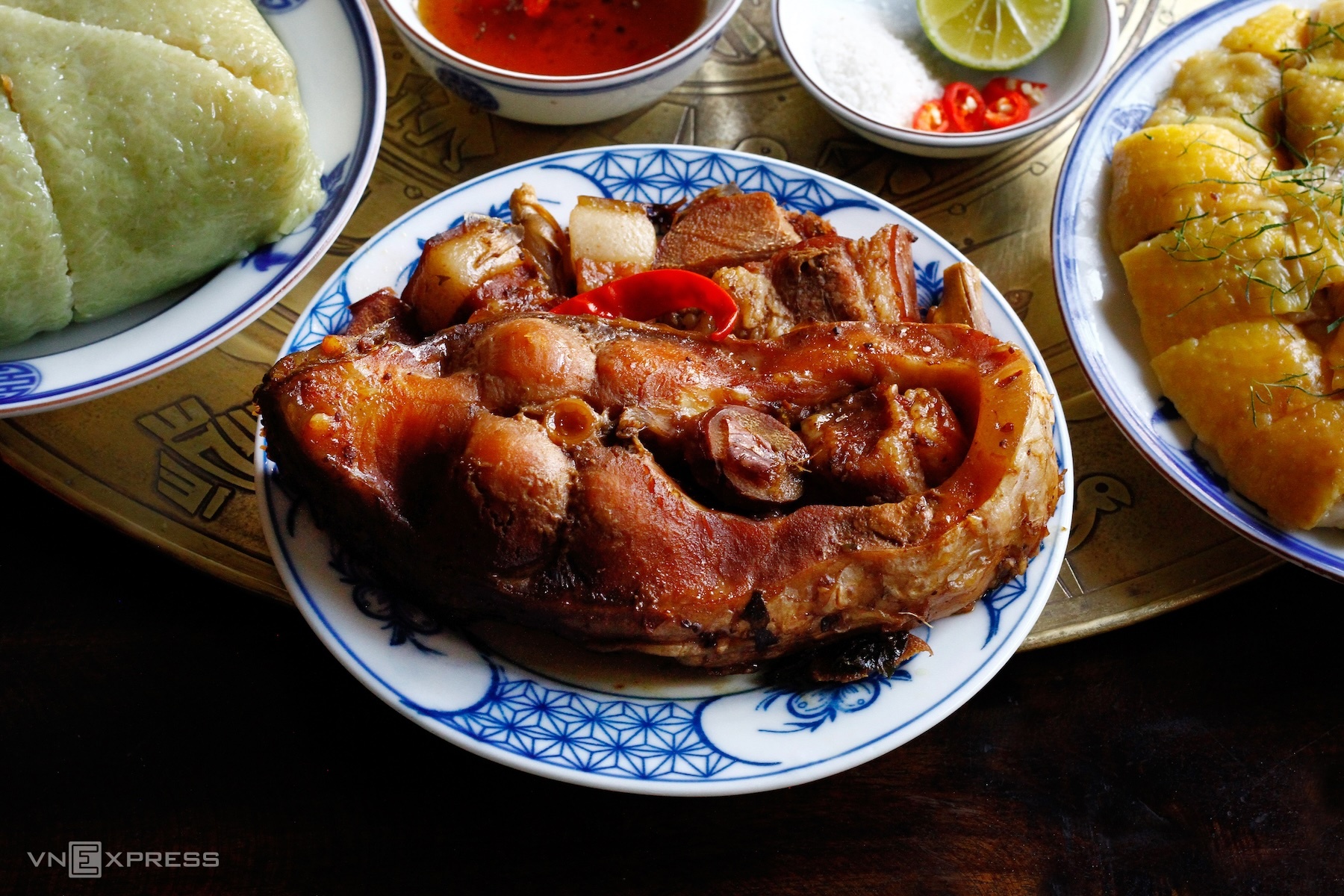 |
Braised fish served with banh chung. Photo: Bui Thuy |
Thrifty living
This dish also reflects the resourceful and thrifty lifestyle of Hanoians from earlier times. Traditional Tet celebrations extended over several days, and access to markets was often restricted. A pot of well-seasoned, savory braised fish could be preserved naturally for an extended period; reheating it only improved its texture and deepened its flavor. Banh chung, too, is a dish that keeps well for days.
In the days following Tet, known as 'ra Gieng' (the period after the Lunar New Year), when dishes like boiled chicken and pork sausage might lose their appeal, a simple meal of banh chung slices (either fried or plain) served with a small portion of braised fish offered a light, economical, yet flavorful option. This tradition represents not merely a dish, but also cherished memories of family togetherness and the resourcefulness passed down through generations around the spring hearth.
Bui Thuy