 |
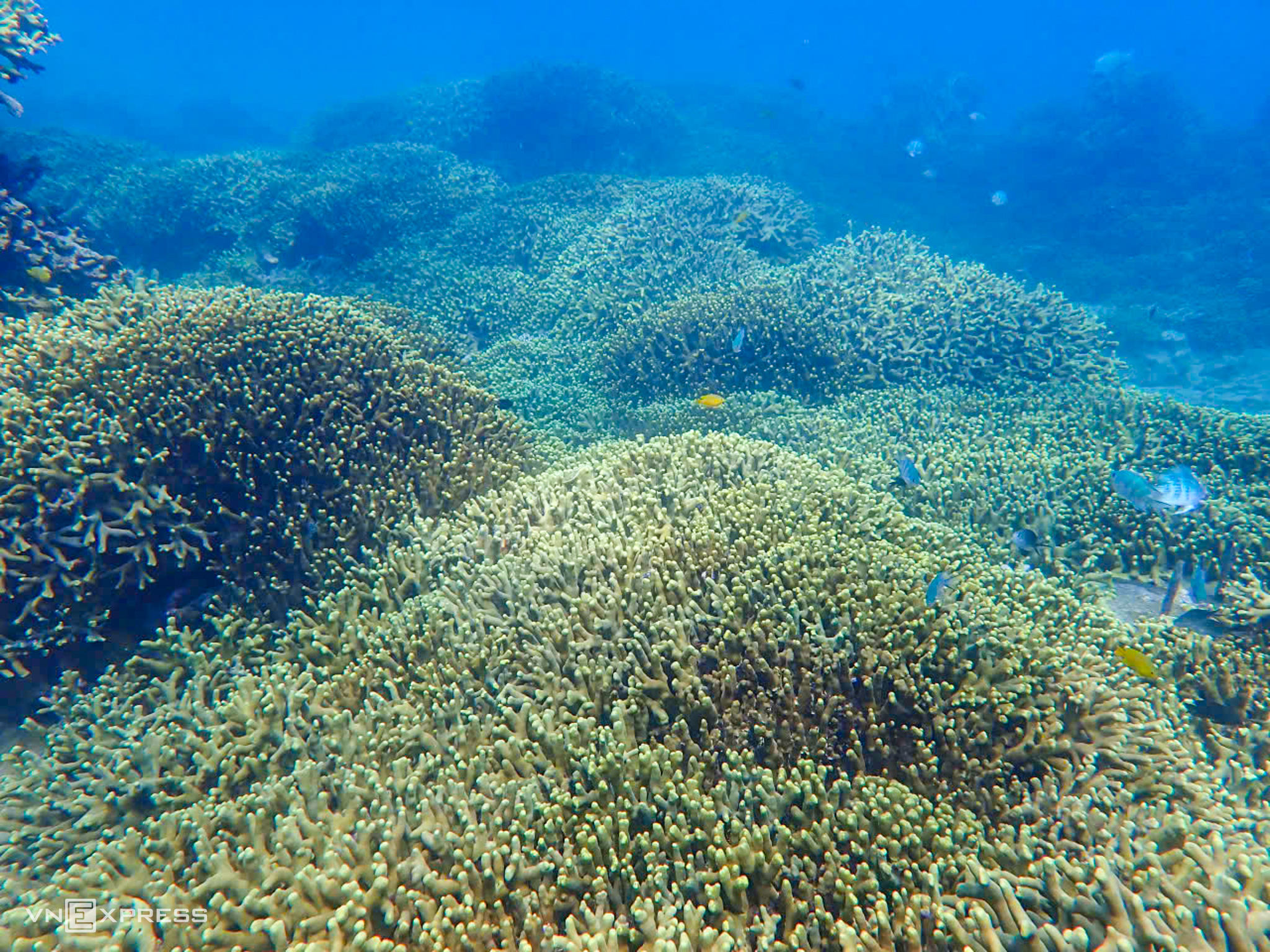
The Hon Chong - Dang Tat sea area in Bac Nha Trang ward boasts a coral ecosystem spanning about 11 hectares, with the Hon Chong area accounting for 3,5 hectares.
According to the Nha Trang Bay Management Board, the coral reef south of Hon Chong is recovering, while the northern part features a diverse range of reef-building species, including many coral clusters estimated to be 5-10 years old.
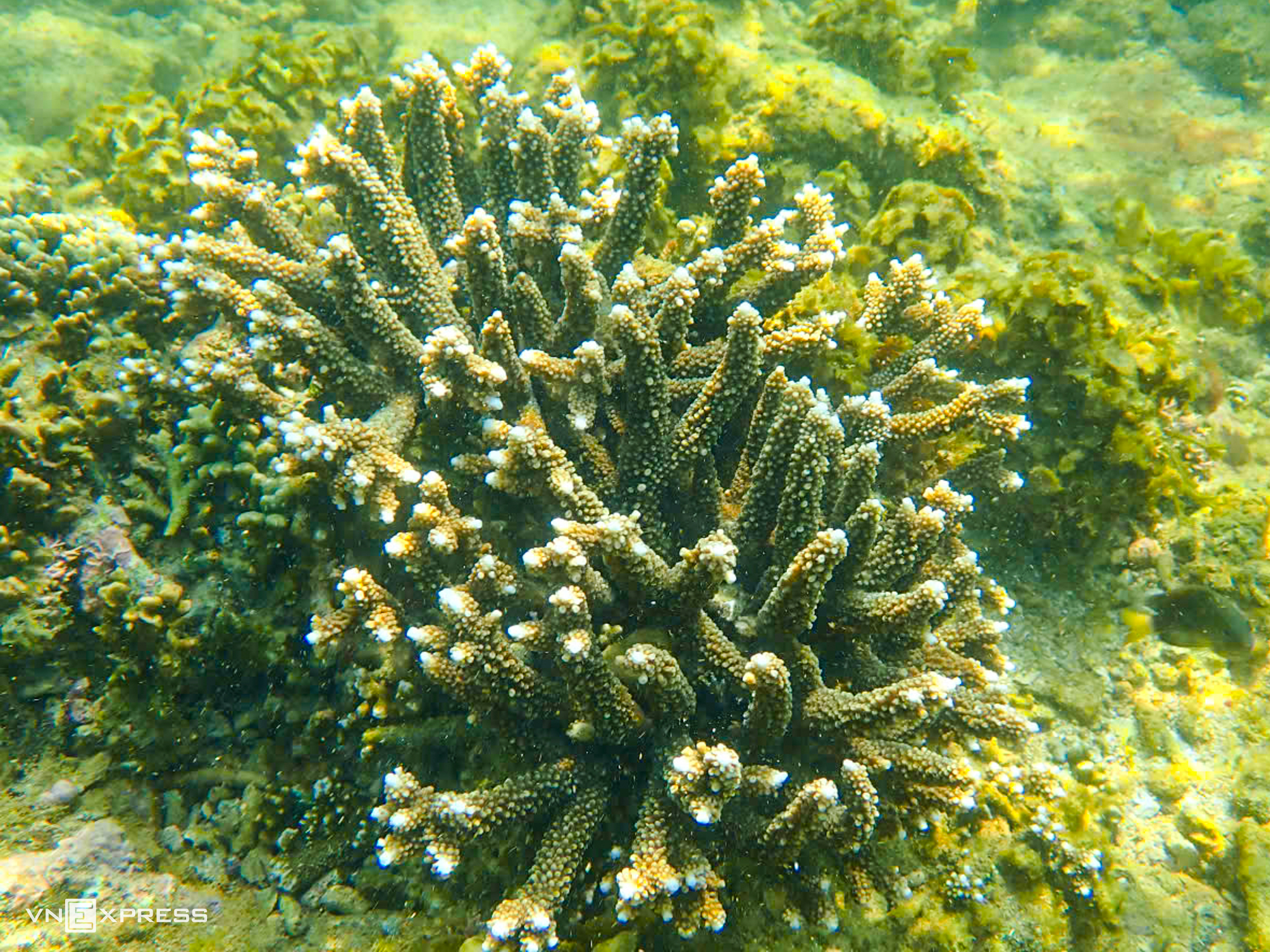 |
Small staghorn coral, also known as Acropora horn coral, dominates the Hon Chong - Dang Tat sea area. Recently, two male tourists, aged 50 and 62, were each fined 25 million dong for breaking a total of 10,5 kg of horn coral in this area.
In late 2022, the Khanh Hoa Provincial People's Committee issued a plan for Nha Trang Bay's recovery until 2030. This plan aims to enhance management effectiveness through inter-sectoral and inter-regional coordination, involving businesses and relevant entities, while also restoring degraded coral reefs.
{"caption_all":"The Hon Chong sea area also hosts numerous Montipora corals, featuring layered circular patterns resembling flower petals. Local residents often refer to this type as plate coral, leaf coral, or 'banh trang' coral (rice paper coral).","caption_items":"[null,null]"}
 |
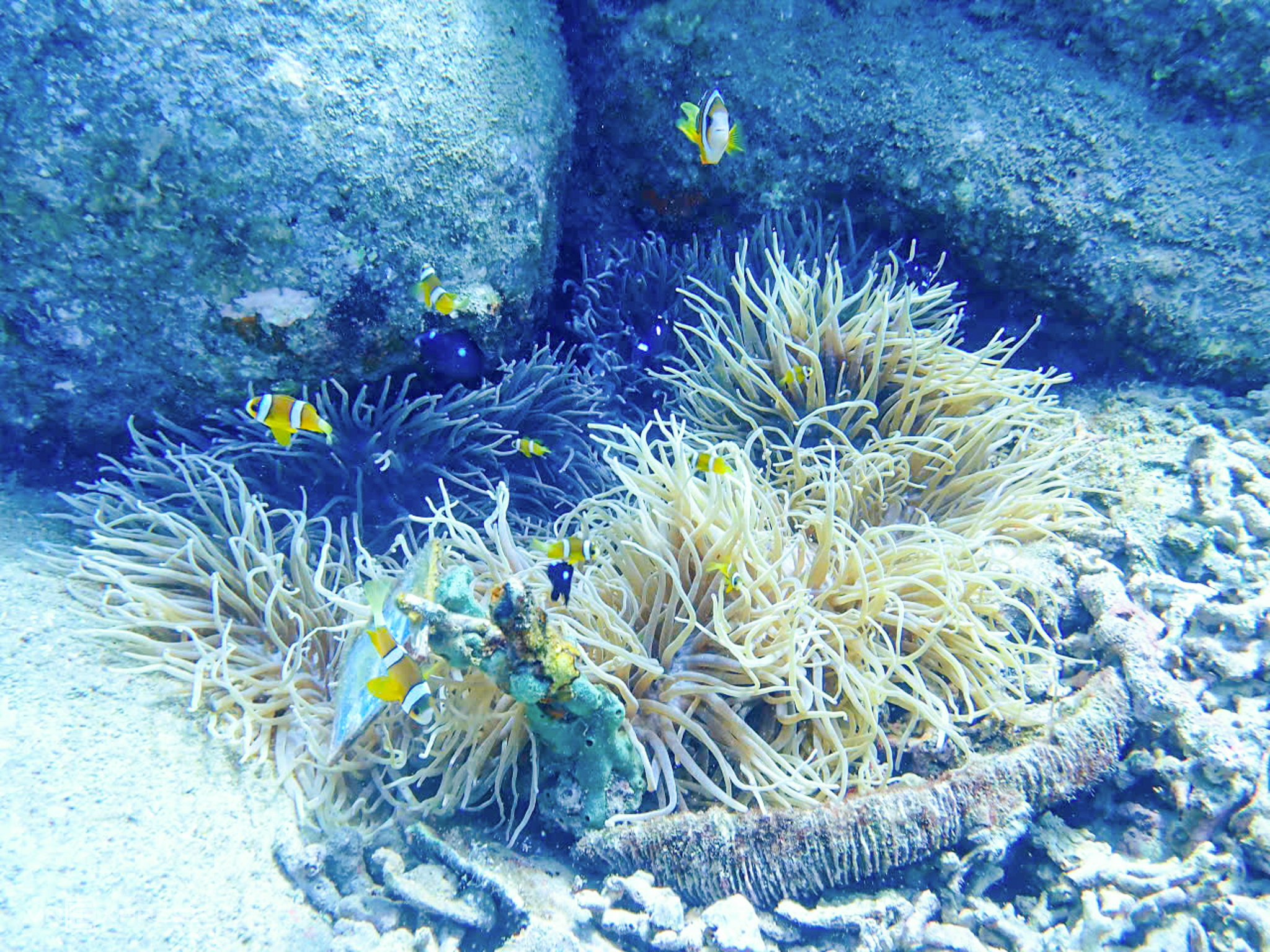 |
Coral cover in the Hon Chong sea area is about 50-60%, comprising numerous large hard coral clusters, soft corals, seagrass beds, and seaweed, which provide habitat for many marine species.
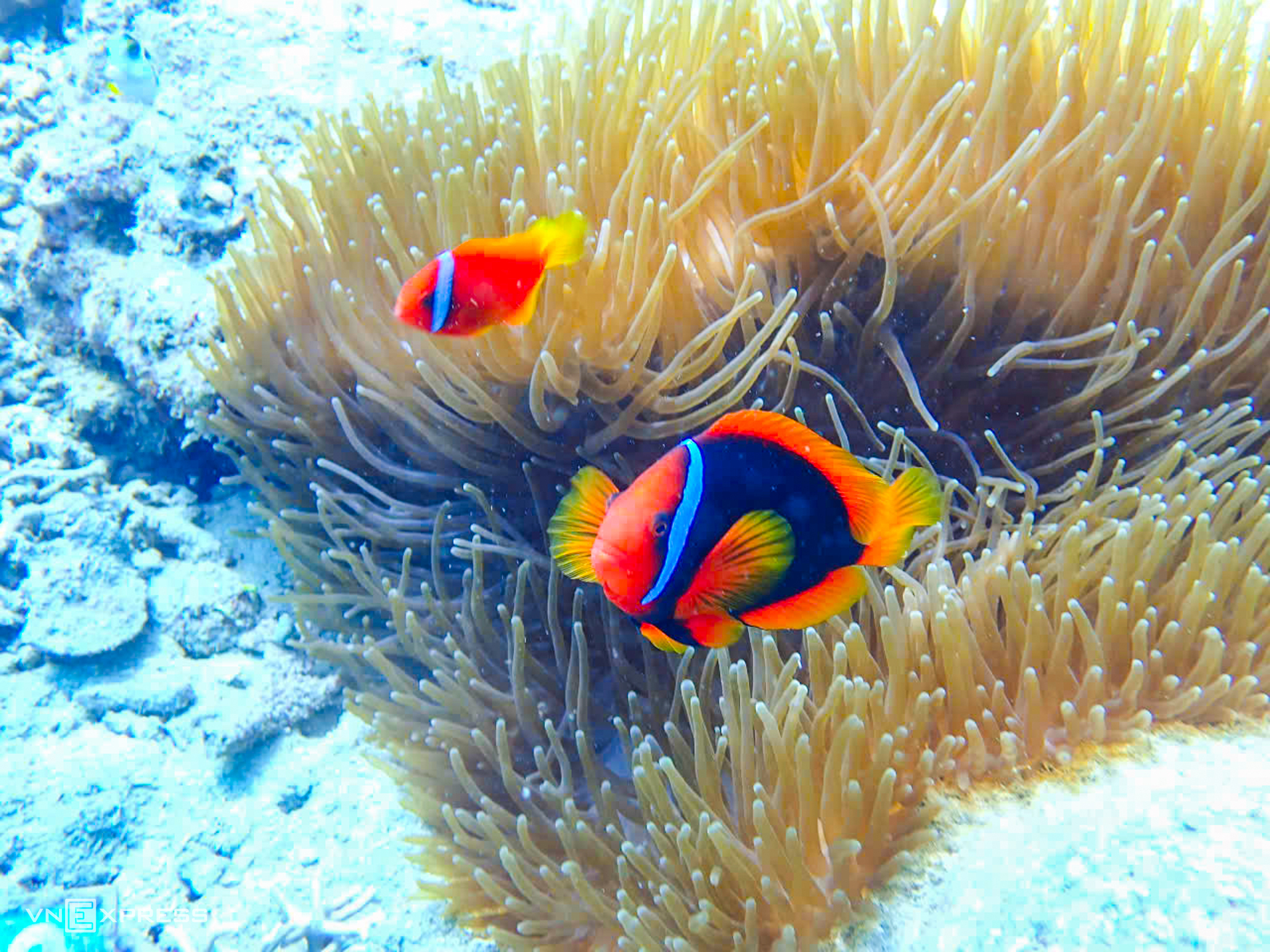
The image shows clownfish living symbiotically among sea anemone tentacles. The fish gain protection from predators, while the sea anemones receive leftover food, are cleaned, and benefit from the fish deterring certain harmful species.
{"caption_all":"Crinoids at the Hon Chong coral reef belong to the class Crinoidea, phylum Echinodermata. This species is distributed from shallow to deep waters; stalkless species are also called 'feather stars'.","caption_items":"[null,null,null]"}
{"caption_all":"Following the rainy and stormy season, damaged fishing gear and debris drift and become entangled in the Hon Chong coral reef, hindering growth and threatening marine life. Since April, the Nha Trang Bay Management Board has collaborated with volunteers to collect hundreds of kilograms of 'ghost nets' and various other types of waste, while also promoting awareness for marine environmental protection.","caption_items":"[null,null]"}
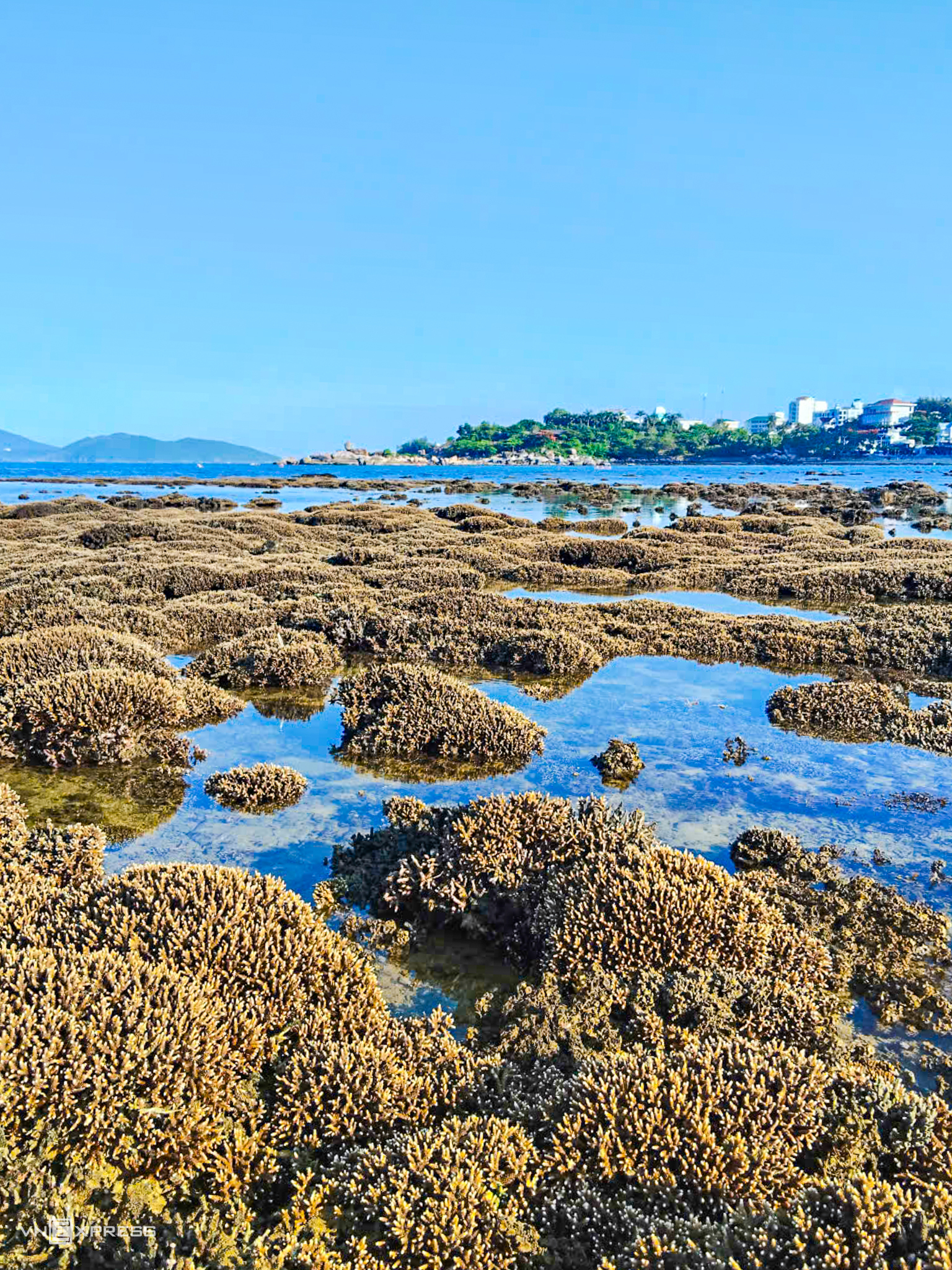 |
The coral ecosystem becomes visible when the tide recedes.
Dam Hai Van, Director of the Nha Trang Bay Management Board, advises residents not to wade far out to catch seafood, paddle boats, or recreate on the coral reef during low tide, to avoid impacting the recovering ecosystem.
"Any acts harming coral will be strictly dealt with according to regulations. Residents and tourists must enhance their responsibility in protecting the coral reefs," Van stated.
{"caption_all":"In June, several groups of tourists kayaking into the Hon Chong coral reef area for recreation were reminded by authorities to leave.","caption_items":"[null,null]"}
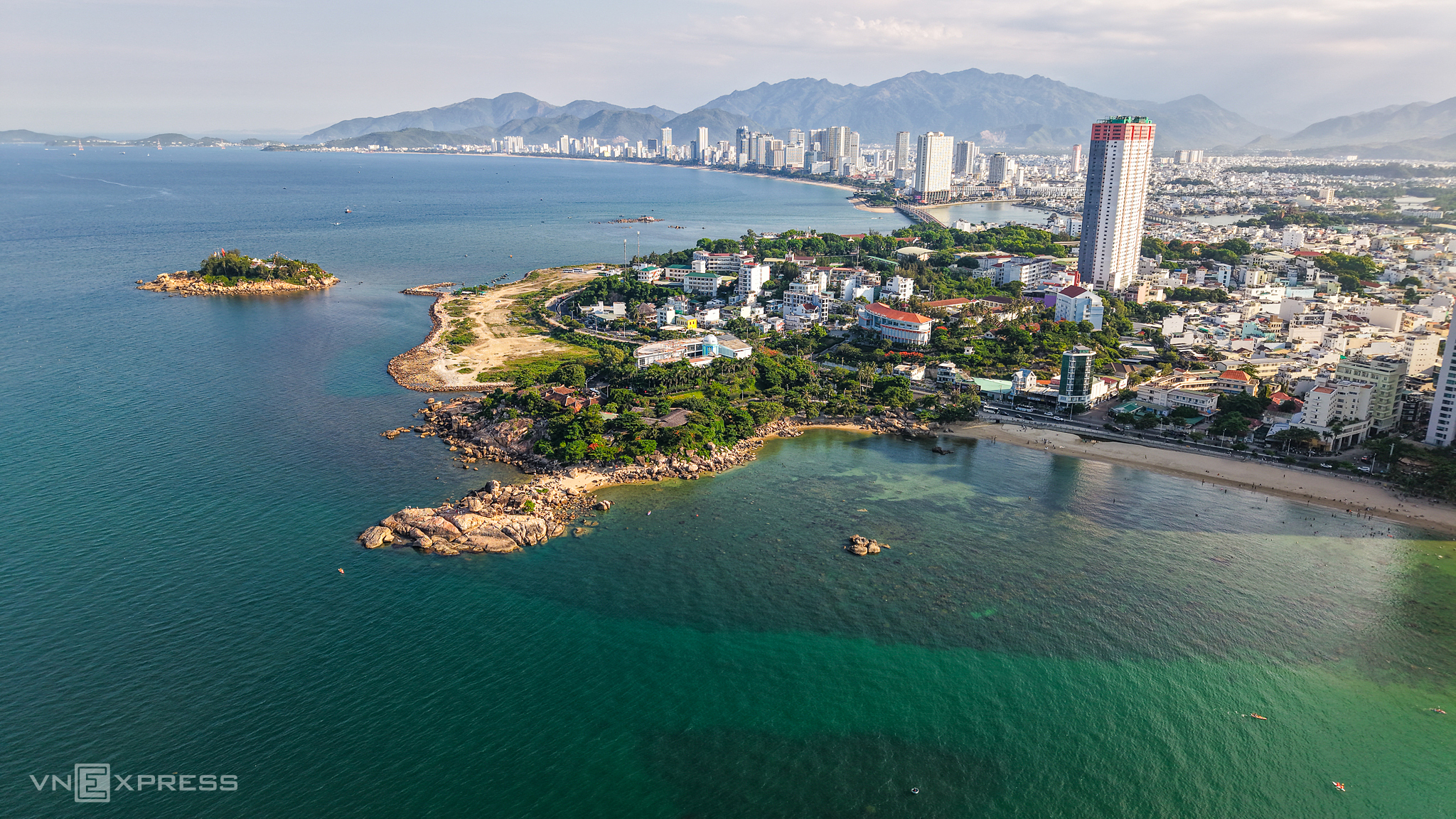 |
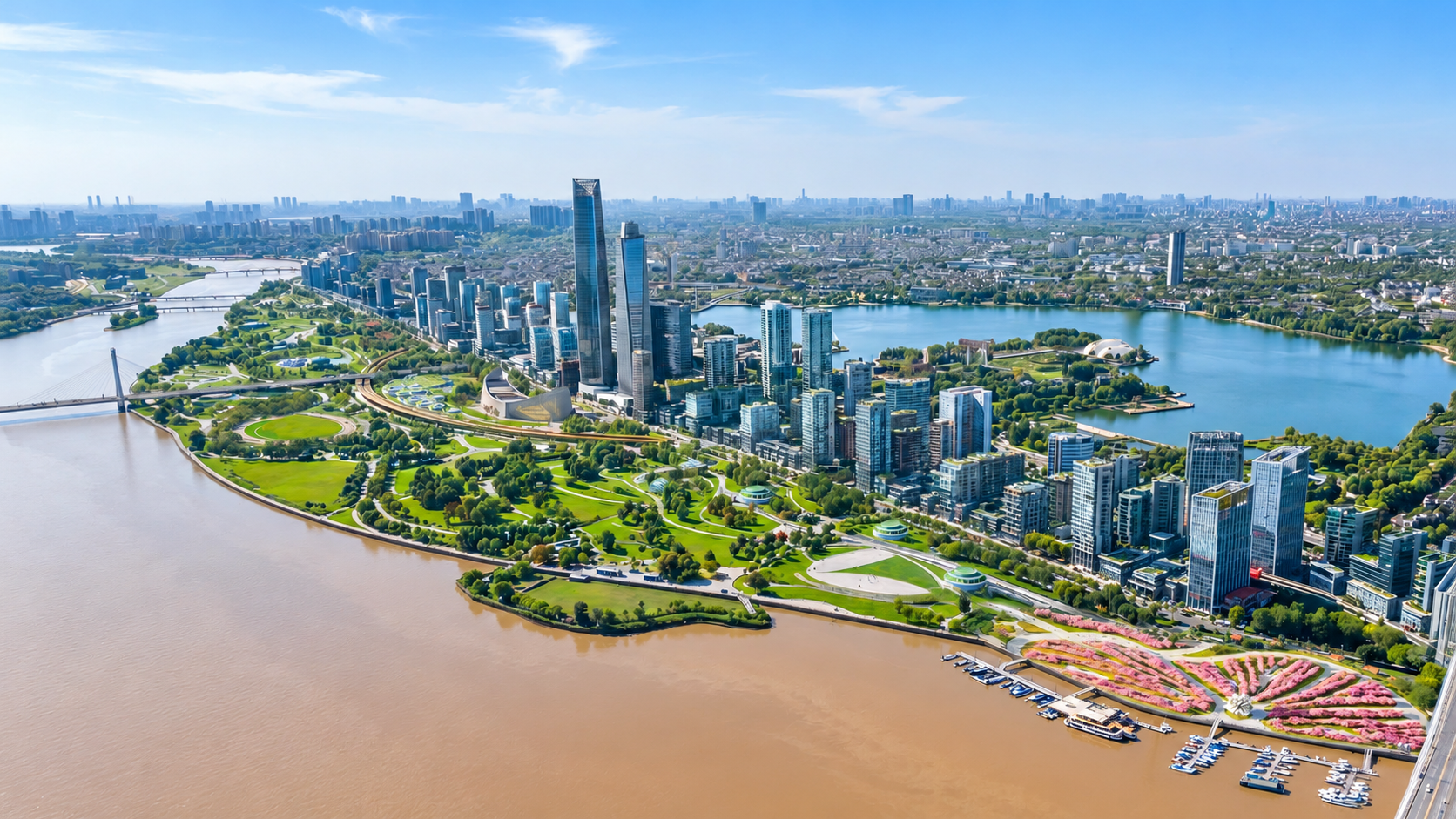
A view of the Hon Chong sea area looking towards central Nha Trang.
From May to August, the Nha Trang Bay Management Board temporarily designates protected zones, restricting activities on the Hon Chong coral reef during low tide. They also install warning signs and increase patrols. However, the high volume of summer visitors, coupled with limited enforcement personnel, makes control challenging.
Bui Toan