The Da Nang City People's Council approved a comprehensive plan on 6/10 to relocate over 7,100 households from mountainous and disaster-prone regions. This initiative, spanning 2026-2036, aims to protect residents from the dangers of landslides, flash floods, and flooding, ensuring long-term stability. The plan involves centralized resettlement, mixed housing options for 1,751 households, and support for 718 households to reinforce their homes for on-site stability.
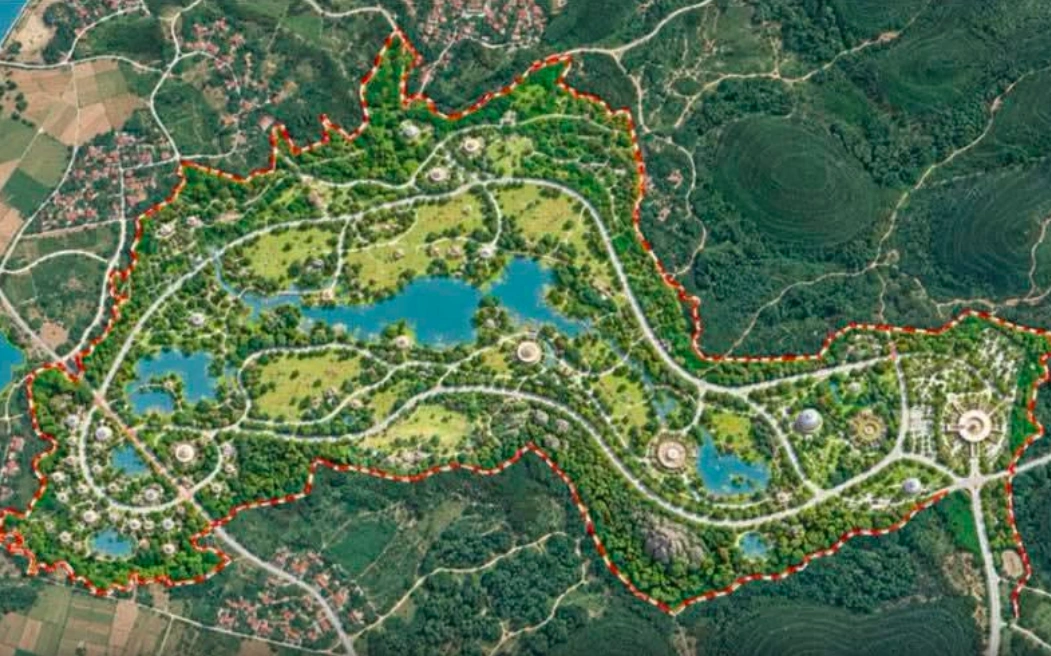
For centralized resettlement, Da Nang will utilize 31 existing zones to house 1,279 households. Additionally, the city will develop 129 new zones, covering approximately 477 hectares, to accommodate the remaining 5,895 households. The estimated investment for these new zones totals about 3,417 billion VND.
The relocation will proceed in phases. In 2026, the city will prioritize placing 1,279 households into already completed or approved residential areas to address urgent housing needs.
During the 2027-2030 phase, Da Nang will allocate over 2,255 billion VND to construct 66 new zones, which will house 3,476 households. Funding for this phase will come from the city budget, central government support, and capital designated by Resolution 48/NQ-HDND.
From 2031 to 2036, the city plans to invest over 1,161 billion VND from mid-term capital to finalize 63 zones, providing homes for 2,419 households.
 |
A landslide area in Tra Van commune, Da Nang city, 11/2025. Photo: Nguyen Dong
Reviewing the proposal, the City People's Council Ethnic Affairs Committee urged the Da Nang City People's Committee to prioritize housing for mixed-housing households and those requiring on-site support. The committee also emphasized accelerating relocation from high-risk landslide areas before 2030. Furthermore, all new resettlement zones must guarantee access to water, agricultural land, and sustainable livelihoods for residents.
Da Nang, which merged with Quang Nam province, spans nearly 11,870 km2 and has a population exceeding 3 million. Mountainous regions, primarily inhabited by ethnic minorities, constitute 65,4% of the city's area, characterized by steep and fragmented terrain. This geographical vulnerability has historically led to severe natural disasters.
For instance, the 2020 rainy season witnessed numerous severe landslides in Nam Tra My, Phuoc Son, and Bac Tra My. This past damage underscores the critical need for population rearrangement to mitigate future risks and help residents secure their lives long-term.