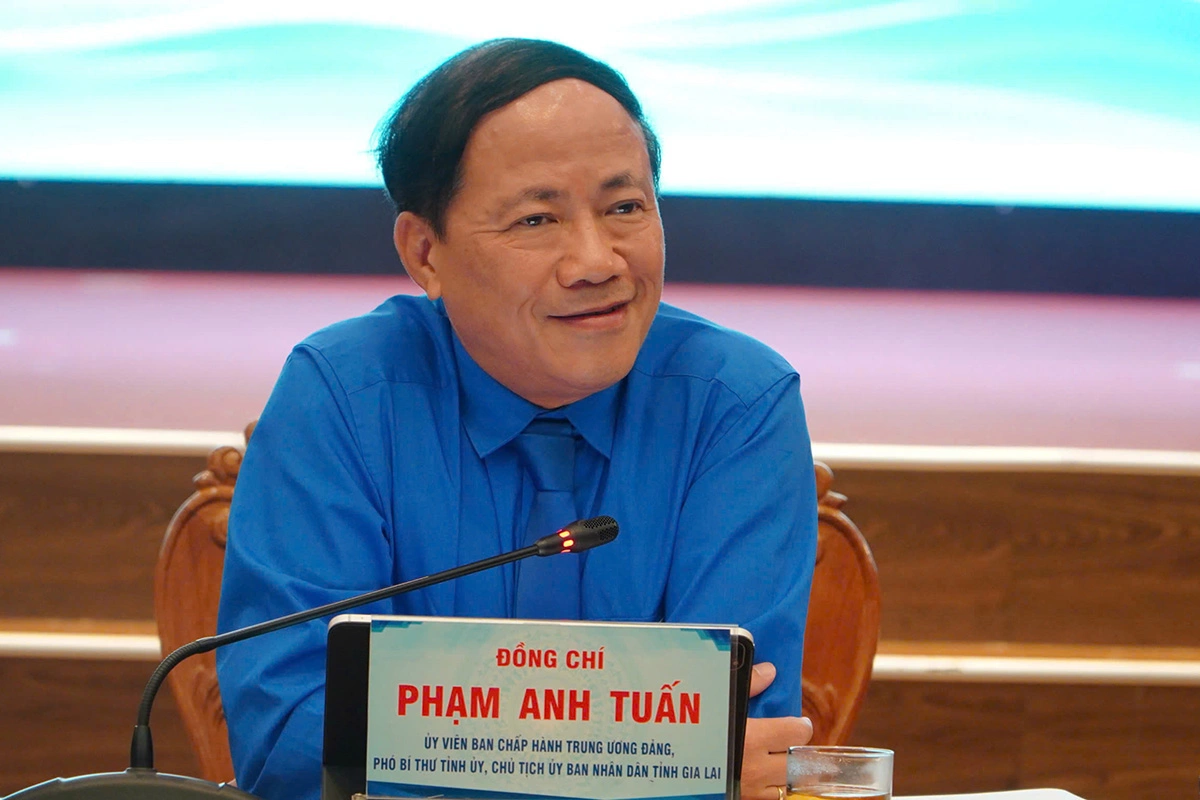
Assoc. Prof. Dr. Nguyen Chi Sang, Chairman of the Vietnam Association of Mechanical Industry Enterprises (VAMI), states that Vietnam is entering a phase of infrastructure development for transportation, energy, and manufacturing, with an estimated total investment demand of up to USD 1 trillion by 2045.
Among these, high-speed rail is considered one of the projects with the greatest ripple effect on the material and mechanical manufacturing industries. The project will also generate substantial demand for high-quality steel, specialized steel structures, locomotives, rolling stock, signaling systems, electrification equipment, automatic control systems, and a range of other high-tech mechanical products.
In a presentation at the workshop "Vietnam's Material Industry and Mechanical Manufacturing Industry in the New Development Phase," organized by the National Assembly's Committee for Science, Technology and Environment on the morning of 15/6, Assoc. Prof. Dr. Nguyen Chi Sang highlighted that for many years, Vietnam's mechanical engineering sector has primarily focused on processing and assembly. Its capabilities in overall design, system design, mastering core technologies, and manufacturing high-tech equipment remain limited.
This situation leads to many large-scale industrial projects remaining significantly dependent on foreign contractors. Without mastering materials and manufacturing technology, domestic enterprises struggle to deeply engage in the value chain, resulting in low localization rates and most added value remaining outside the national economy.
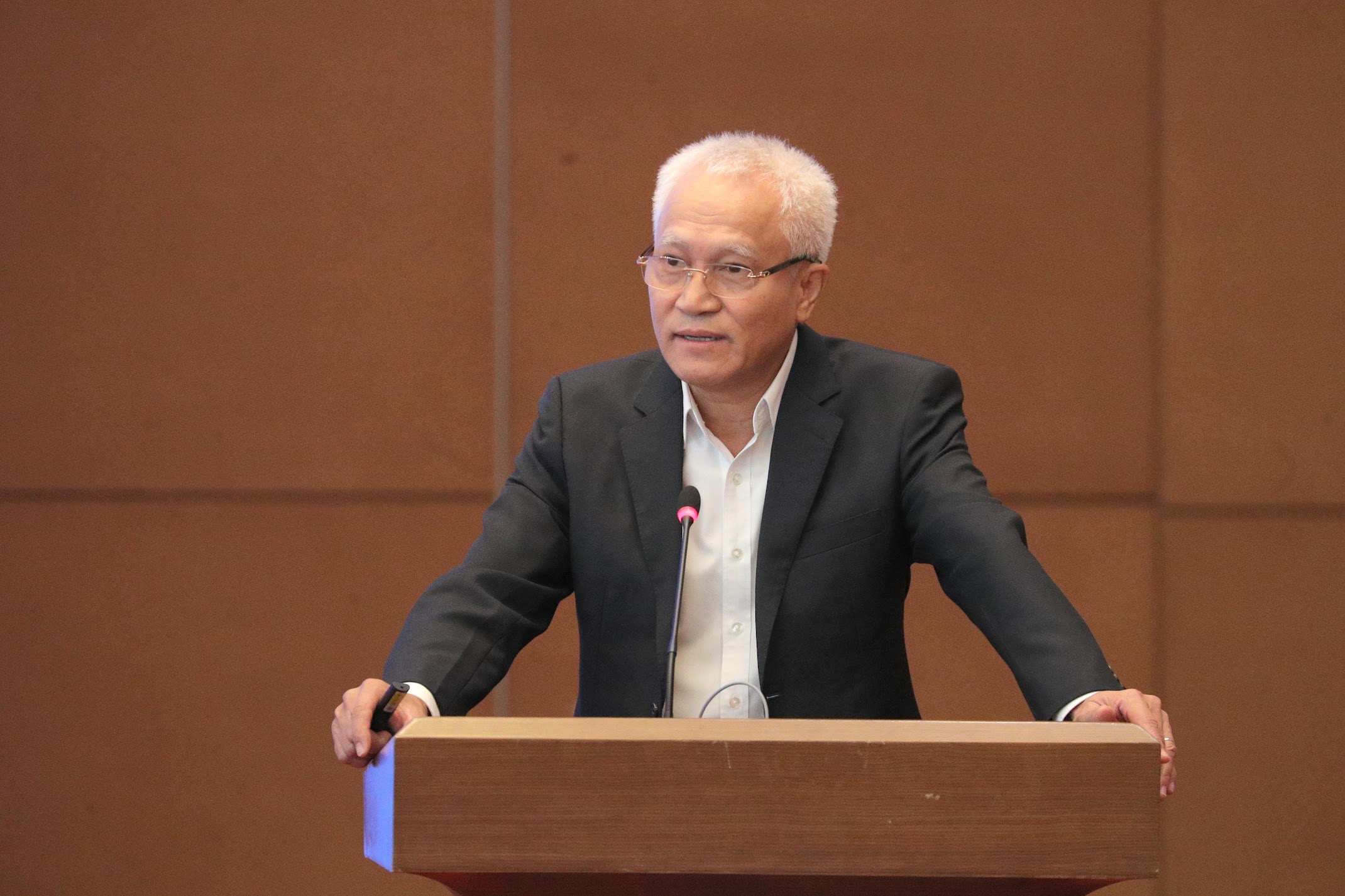 |
Assoc. Prof. Dr. Nguyen Chi Sang, Chairman of the Vietnam Association of Mechanical Industry Enterprises (VAMI). *Photo: Hoang Phong*.
Continued reliance on imported materials and equipment would expose Vietnam to various risks, including increased investment costs, dependence on external supply schedules, and reduced autonomy in future system operation, maintenance, and upgrades. The state would lack self-sufficiency in investment and construction, incurring significantly higher costs during operation.
"Developing domestic material and mechanical industries must be considered a prerequisite for mastering strategic infrastructure projects," Mr. Sang affirmed.
A presentation by Hoa Phat Group also highlighted that while Vietnam has established a large-scale steel industry, most production focuses on construction steel and common products. High-technical requirement steels for manufacturing, especially high-speed railway steel rails, are not yet produced at a commensurate scale.
High-speed railway rails are not ordinary steel products; they belong to a category of strategic technology products requiring very high technical standards for durability, load-bearing capacity, wear resistance, and operational lifespan. Mastering steel rail production technology is significant not only for the railway sector but also reflects the development level of the entire metallurgical and mechanical manufacturing industries.
A leading enterprise is essential for the railway sector
To address the aforementioned challenge, Assoc. Prof. Dr. Nguyen Chi Sang believes that developing the mechanical and material industries will not only reduce investment costs but also create a foundation for increasing localization rates, fostering leading industrial enterprises, and gradually integrating more deeply into global value chains.
By effectively leveraging opportunities from railway projects, Vietnamese enterprises can develop capabilities across many areas, from producing high-quality steel and manufacturing steel structures to electrical equipment, control devices, and precision mechanical products. This also provides a basis for forming a new industrial ecosystem, rather than merely remaining subcontractors or simple processing units.
The Committee for Science, Technology and Environment also acknowledges the need to view national key projects, such as high-speed rail, as catalysts for developing domestic material and mechanical industries. Through these projects, Vietnam can progressively enhance localization rates, design capabilities, manufacturing capacity, and technological mastery.
At the workshop, delegates unanimously agreed that the National Assembly and the Government should explore establishing specific mechanisms for key mechanical products and strategic material projects serving national infrastructure.
Experts recognized the need for policies promoting the use of domestically produced materials and equipment in public investment projects and national key infrastructure. This is considered an important solution to create a sufficiently large market for enterprises to invest in technology and enhance production capacity.
Additionally, delegates proposed establishing leading enterprises in metallurgy, strategic materials, precision mechanics, and high-speed railway equipment. These enterprises should be facilitated to invest in research and development, technological innovation, and deeper participation in supply chains.
Assoc. Prof. Dr. Nguyen Chi Sang also proposed promoting industrial clusters linking material, mechanical, and technology enterprises. Only by forming a complete industrial ecosystem can Vietnam reduce investment costs, enhance innovation capabilities, and build competitive domestic supply chains.
If this is achieved, railways will become a driving force for the simultaneous development of metallurgy, mechanical manufacturing, supporting industries, and high technology. Conversely, if the majority of the material and equipment market continues to belong to foreign contractors, the opportunity to establish an autonomous railway industry may be missed for decades to come.
Son Ha