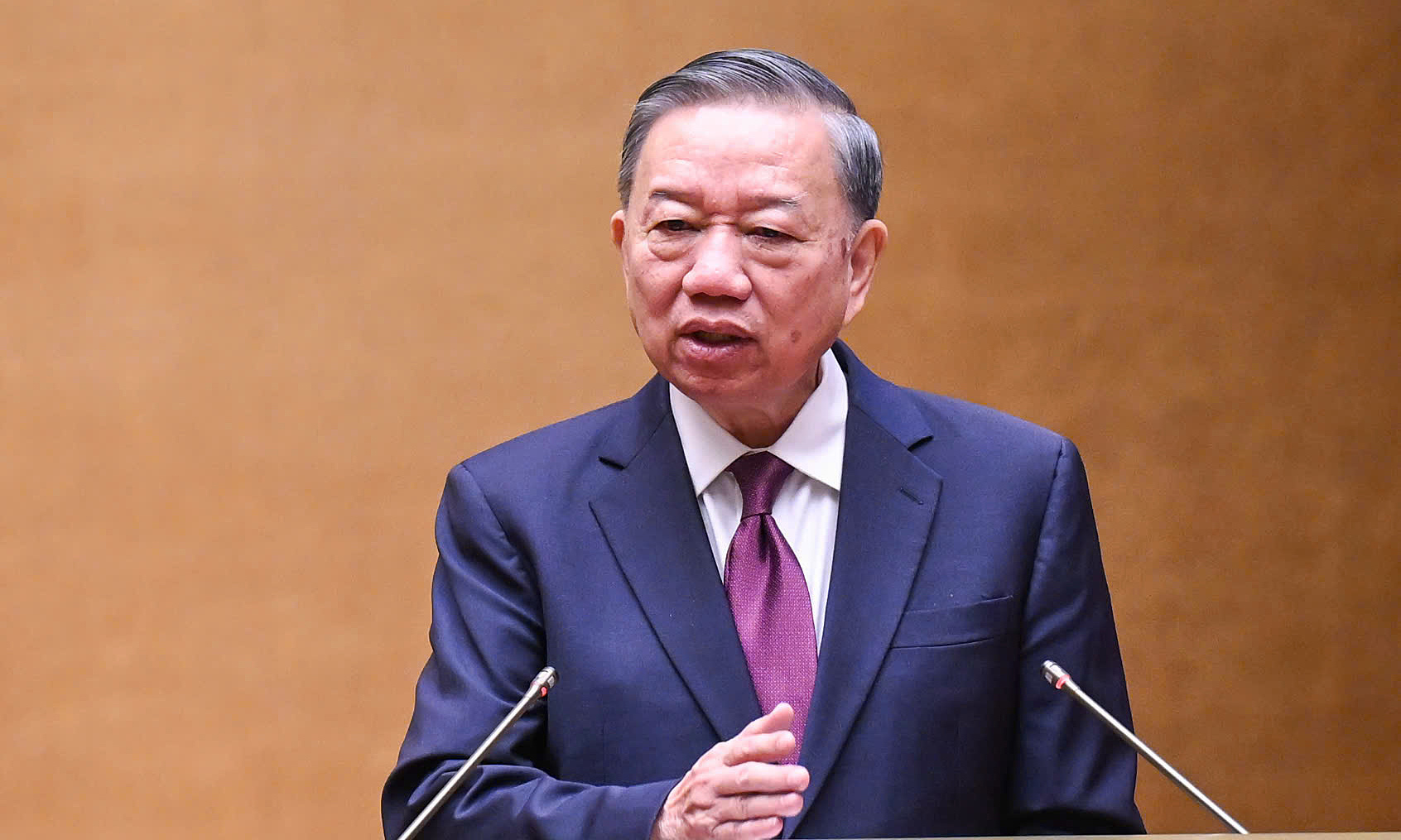
Chairing a meeting of the Standing Board of the Central Steering Committee for Science, Technology, Innovation, and Digital Transformation on basic scientific research on the morning of 25/5, General Secretary and President To Lam stated that this is a strategic issue directly related to Vietnam's development model, self-reliance, and national standing for many decades to come.
According to him, Vietnam's current growth model still relies heavily on outsourcing, assembly, resource exploitation, cheap labor, and external technology acquisition. Labor productivity, innovation capacity, mastery of foundational technology, and strategic autonomy remain limited.
He assessed that basic scientific research is not commensurate with the nation's development requirements in the new era. Investment is low, and a robust, stable, and sustainable in-depth research ecosystem has not yet formed. Research activities are fragmented, lack connectivity, miss scientific schools of thought, lack strong research groups, and are not integrated with the national development strategy.
General Secretary and President To Lam noted that the science management mechanism is still burdened by administrative thinking, dependence on paperwork, procedures, invoices, annual budgets, and a fear of making mistakes and avoiding responsibility. Vietnam also lacks excellent research centers and modern laboratories, while scientific human resources are becoming a strategic bottleneck, with brain drain persisting.
"'Mot' nation can import technology, but cannot import a development model suitable for its own history, culture, and conditions," the General Secretary and President said, referring to the role of social sciences and humanities.
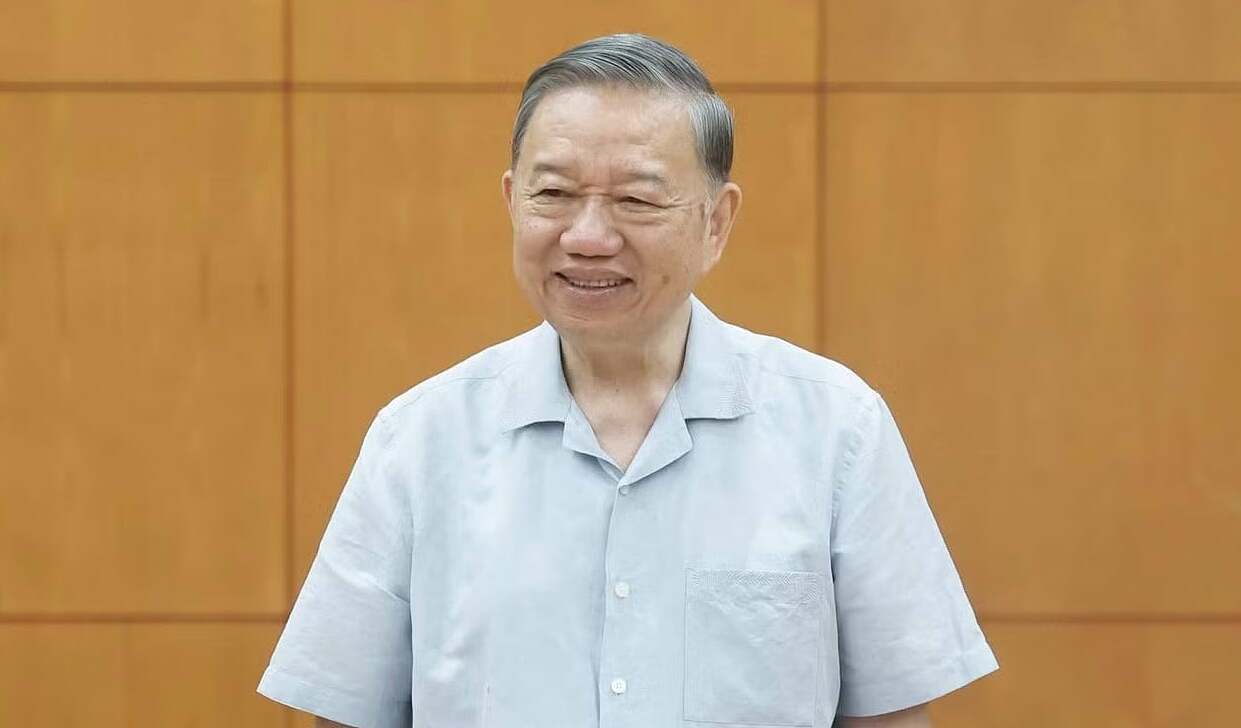 |
General Secretary and President To Lam chaired a meeting of the Standing Board of the Central Steering Committee for Science, Technology, and Innovation on the morning of 25/5. *Photo: TTXVN*
According to the directions outlined at the meeting, Vietnam aims by 2030 to allocate approximately 2% of its budget to research and development; achieve a research workforce of 12 people per 10,000 population; have 40-50 science and technology organizations ranked regionally and internationally; increase international scientific publications by an average of 10% each year; and boost the number of patents by 16-18% annually.
The General Secretary and President called for the removal of all bottlenecks in basic scientific research before 6/2027 to establish some excellent research centers and strong research groups. A funding mechanism of 5 years, 10 years, and 15 years will be applied to strong research groups and excellent research centers.
He emphasized that the science management mechanism must shift strongly towards post-inspection, focusing on evaluating quality, results, and long-term impact. "The management mechanism must accept scientific risks, reduce administrative burden, protect academic freedom, and uphold accountability and scientific integrity," the General Secretary and President stated.
By 2045, Vietnam aims to develop some basic science fields with international competitiveness, gradually establish Vietnamese scientific schools of thought, and enhance strategic autonomy in some key technologies.
Party and State leaders also called for developing a scientific talent ecosystem, from early detection and elite training, to doctoral candidates, post-doctoral fellows, young group leaders, leading experts, and global Vietnamese intellectuals. Concurrently, they urged investment in key laboratories, high-performance computing infrastructure, scientific data, digital libraries, and digital cultural, linguistic, and heritage data repositories.
"Data must be considered strategic infrastructure for basic research in the age of AI," he said.
Vu Tuan