Working with the education and training sector on the morning of 15/6, General Secretary and President To Lam assessed that after 10 months of implementing Resolution 71 of the Politburo, the sector has seen positive changes in awareness, institutions, and policy preparation.
However, he noted that substantive changes in schools, classrooms, teachers' lives and working conditions, as well as students' learning experiences, have not been uniform and have not met the breakthrough requirements of the Resolution.
According to the General Secretary and President, a teacher shortage remains a major bottleneck for the education sector. Facilities and teaching equipment are inadequate. Learning, examination, admission, and extra tuition costs create significant pressure for many families. The educational environment also poses risks regarding safety, behavioral culture, and psychological well-being.
The 2026-2027 academic year marks the first widespread implementation of Resolution 71. Therefore, it is essential to ensure sufficient classrooms, textbooks, minimal teaching equipment, and uphold the principle of "where there are students, there are teachers".
The General Secretary and President requested that all plans for school network arrangements be thoroughly evaluated for their impact on commuting distances, class sizes, teaching quality, traffic, and teacher working conditions. These plans should be piloted and reviewed before widespread replication. "We are determined to ensure no student is deprived of schooling due to difficult circumstances," he emphasized.
He also requested that when planning new urban areas and residential zones, localities must simultaneously plan schools and educational infrastructure commensurate with population size. Obstacles related to land funds and investment procedures for school construction, especially in large cities, industrial zones, areas with mechanical population growth, and disadvantaged regions, must be resolved.
For border communes, the system of inter-level boarding schools needs to be completed on schedule, simultaneously meeting educational, social welfare, defense, and security requirements. Agencies should research mechanisms to encourage excellent graduates and proficient urban teachers to rotate their assignments to rural, disadvantaged, and border areas.
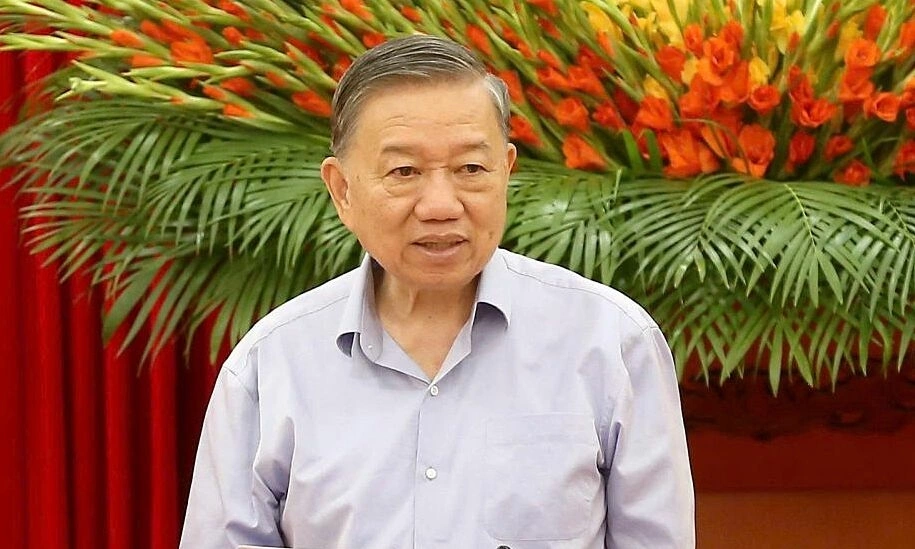 |
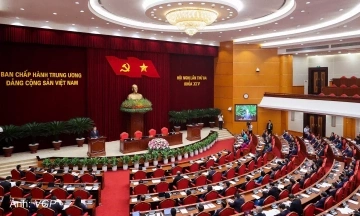
General Secretary and President To Lam working with the education and training sector on the morning of 15/6. Photo: Communist Party Portal |
No coercion, suggestion, or pressure for students to take extra classes
Regarding educational quality, the General Secretary and President requested the education sector to consider preventing school violence and educating students on ethics and healthy lifestyles as key tasks for the 2026-2027 academic year.
Schools must control learning costs, publicize revenue and expenditure, rectify extra teaching and learning, and address the "achievement disease" (an overemphasis on scores). He called for strict handling of situations involving coercion, suggestion, or pressure on students and parents to participate in extra classes.
According to the General Secretary and President, extra teaching and learning should be addressed at its root by improving the quality of regular class hours, reducing examination pressure, ensuring transparent admissions, adjusting curricula appropriately, and enhancing teacher motivation.
He also proposed that the government soon establish a mechanism to convert surplus offices and public buildings into educational and healthcare facilities. This would prevent the waste of public assets, especially when many areas still lack schools and medical examination and treatment facilities.
The Party and State leader requested a strong shift from an "education management" mindset to "education development governance". This includes building a unified education data system to promptly identify teacher shortages, classroom deficits, overcrowded schools, students at risk of dropping out, and inefficiencies in budget utilization.
Education must take a proactive step in preparing high-quality human resources, particularly in science and technology, innovation, digital transformation, and artificial intelligence. The Ministry of Education and Training (MOET) needs to maintain a unified role regarding expertise, standards, and quality, while simultaneously increasing autonomy for schools, principals, and teachers, coupled with accountability.
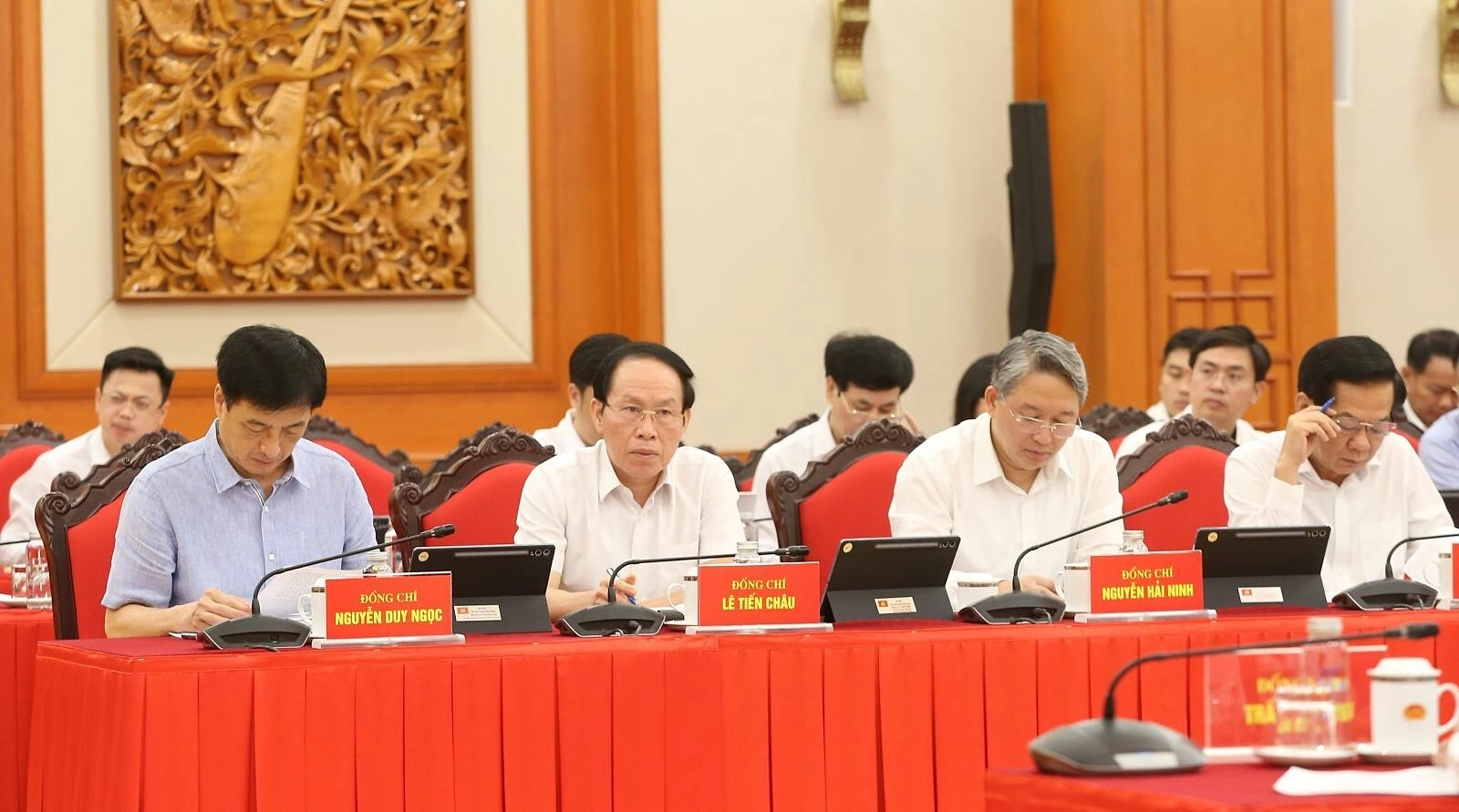 |
From left: Nguyen Duy Ngoc, Head of the Central Organization Commission; Le Tien Chau, Deputy Prime Minister; Nguyen Hai Ninh, Chief of the Central Party Office; Do Thanh Binh, Minister of Home Affairs, attending the meeting on the morning of 15/6. Photo: Communist Party Portal |
For higher education, the General Secretary and President called for strong reforms aimed at building elite universities and centers of excellence. He emphasized promoting autonomy alongside quality accreditation and accountability. Vietnam will selectively invest in certain universities, research institutes, centers of excellence, and key laboratories, based on competition in operational results and efficiency.
He assigned the Ministry of Education and Training to develop a set of indicators to monitor educational equity across regions, population groups, and vulnerable groups. Policy must adhere to the principle that more difficult areas receive greater support, and teachers working in more challenging localities must receive better remuneration.
"All education policies must be measured by the progress, happiness, and future of learners," the General Secretary and President emphasized.
Vu Tuan