On 22/5, during a working session with several agencies regarding the implementation of Directive 34 of the Secretariat on social housing and future housing development orientations, General Secretary and President To Lam assessed that the development of social housing, and housing in general, still faces limitations.
The housing segment affordable for middle and low-income individuals has not received adequate attention. The supply of social housing remains insufficient and unevenly distributed; many projects lack connection to essential social infrastructure; and land fund planning for social housing is inconsistent and not linked to areas with high concentrations of workers.
Businesses lack incentive to participate in social and affordable housing; the structure of housing products still leans towards ownership, despite high demand for reasonably priced rental housing among workers.
Therefore, in the coming period, the General Secretary and President requested agencies to fully grasp the view that "the right to legal housing is a basic right of citizens." Access to safe, affordable housing is a measure of social progress, creating a foundation for stable and sustainable social development.
The state will implement policies aimed at ensuring everyone has a place to live. Housing development in the next phase will follow a market mechanism, with effective state guidance and management. The state will not subsidize housing, but it will also not allow the market to regulate itself entirely.
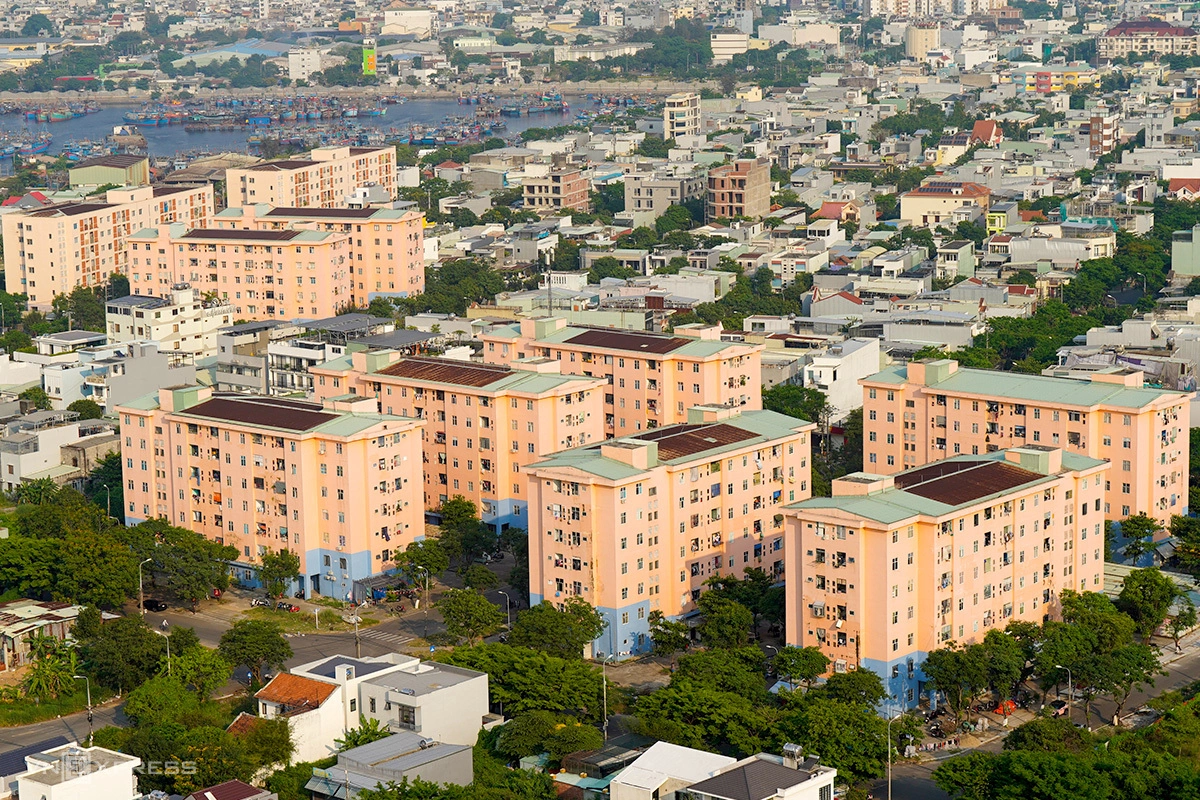 |
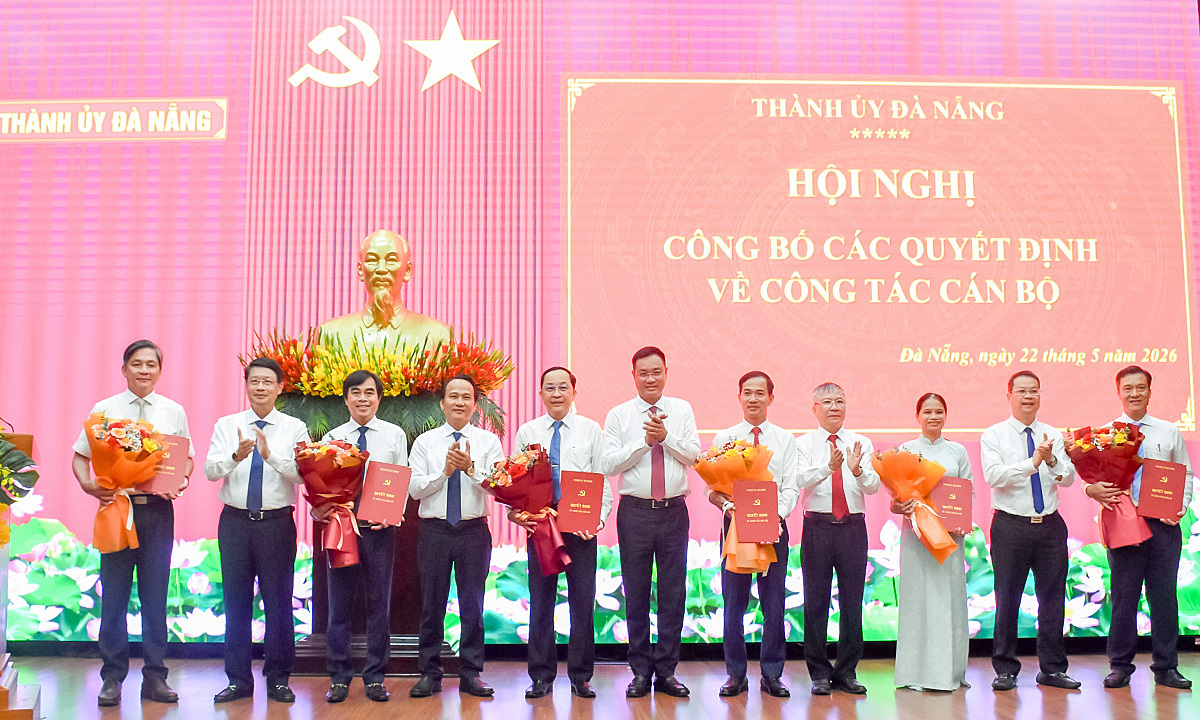
Da Nang leads the nation in social housing with approximately 21,000 apartments as of early 2026. *Photo: Nguyen Dong* |
The state fosters a healthy, transparent market through institutions, policies, and planning. This enables businesses to operate with reasonable profits, and ensures citizens access stable, safe, and affordable housing.
"In addition to for-sale housing, it is essential to prioritize the development of rental housing, especially rental apartment models in major urban areas, industrial zones, economic zones, key regions, and important economic corridors," the conclusion stated.
The General Secretary and President requested classifying housing into four groups: commercial housing, rental housing, public service housing, and policy housing. Based on this, the state will implement corresponding policies, which may include price support or providing free housing for certain specific groups.
The Government Party Committee is tasked with researching and developing appropriate land and credit policies to rapidly develop an affordable rental housing market, encouraging private sector participation. Investment, planning, land allocation, construction permit, and preferential credit access procedures need to be shortened and made convenient.
Localities must review land funds, ensuring that housing planning across all segments is integrated with the planning of essential technical infrastructure, social services, cultural institutions, healthcare, and education; primarily in urban areas, economic zones, industrial zones, high-tech zones, and rapidly urbanizing areas.
Localities also need to proactively clear land and prepare clean land funds for rental housing development, while strictly and transparently controlling cases eligible for housing priority to prevent policy profiteering.
Previously, at a working session on 19/5, General Secretary and President To Lam emphasized the view: "Housing is for living, not for business or asset accumulation." He added, "From now until 2030, for-sale housing will still be necessary, but rental housing must be identified as a strategic pillar."
Viet Tuan