Ho Chi Minh City's People's Committee organized a consultation with experts on the draft special urban law on 22/5.
Nguyen Thi Hong Hanh, Director of the Ho Chi Minh City Department of Justice and a representative of the drafting committee, stated that the draft law builds upon the Capital Law and comprises nine chapters. With the exception of four areas – national defense, security, foreign affairs, and ethnic and religious affairs – all remaining sectors are proposed for maximum and thorough decentralization to Ho Chi Minh City.
The principle of decentralization involves transferring powers from the National Assembly to the city's People's Council (over 140 powers), from the government to the city's People's Committee (over 130 powers), and from the Prime Minister to the Chairman of the city's People's Committee (over 20 powers).
Specifically, the draft law would grant Ho Chi Minh City significant autonomy in its organizational structure, personnel, and finances. The city would determine the number of specialized agencies, the total civil servant headcount, and the number of individuals receiving state budget salaries across the local political system. Additionally, it would independently recruit and appoint leaders for public non-business units and state-owned enterprises.
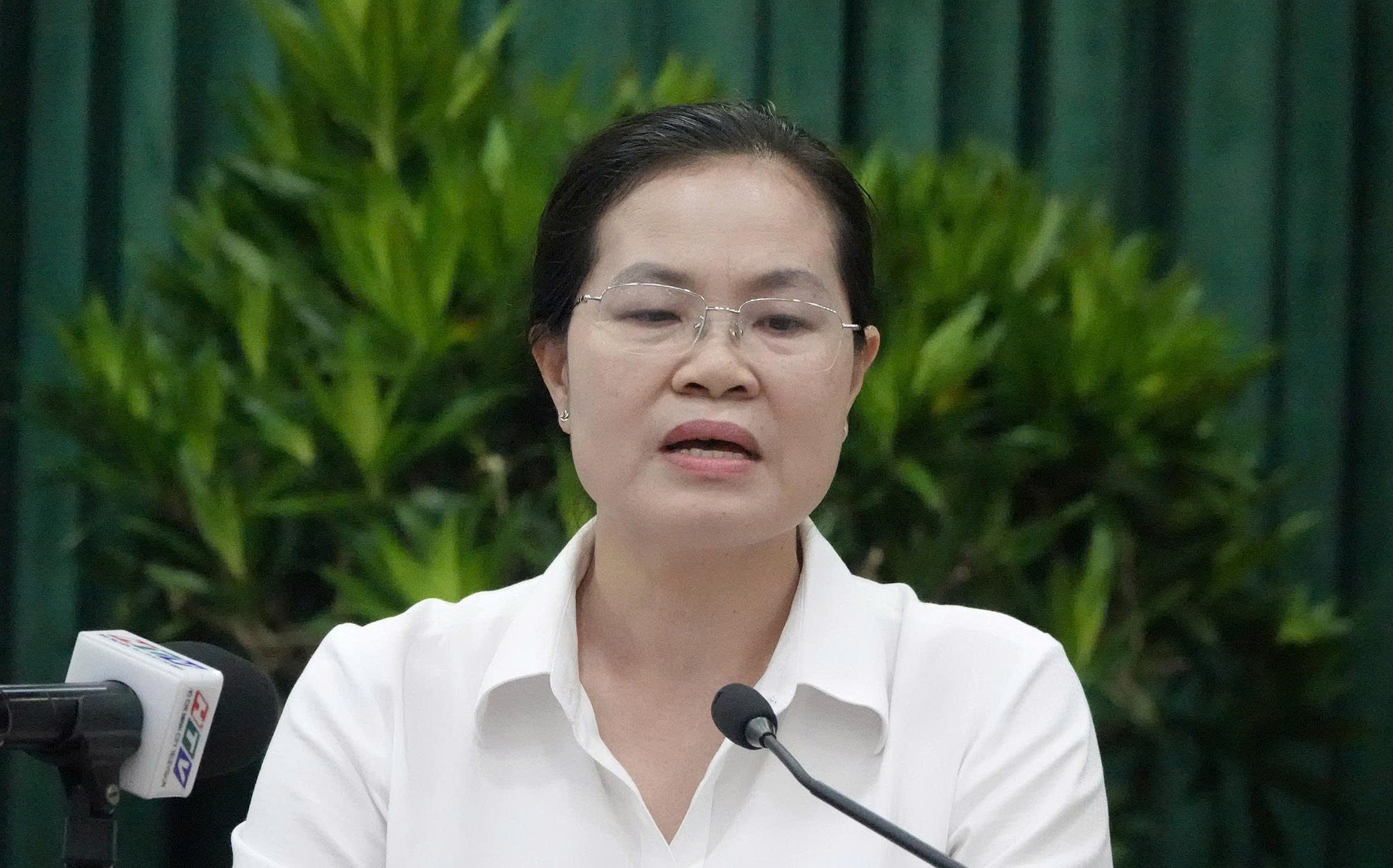 |
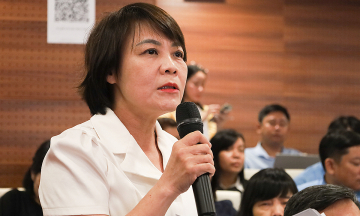
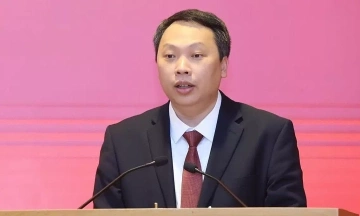
Nguyen Thi Hong Hanh, Director of the Ho Chi Minh City Department of Justice, presented a summary of the draft special urban law on 22/5. *Photo: An Phuong*
The city's People's Council would also be empowered to establish policies for additional income, housing support, training, and working conditions for officials, civil servants, and public employees.
In the legislative domain, Ho Chi Minh City is proposed the authority to issue regulations that differ from central government documents. This aims to simplify administrative procedures or address specific issues not yet covered by existing regulations.
The city could also pilot new mechanisms and policies not currently in effect under a "sandbox" model, with a maximum duration of five years, extendable for an additional five years.
Regarding finance and budget, Ho Chi Minh City is proposed to retain all increased budget revenue generated within its jurisdiction. It would also be authorized to issue local government bonds, borrow capital domestically and internationally, and decide on additional types of fees and charges beyond the current list.
The draft law also grants the city more authority in investment management and planning. The city would approve investment policies for many projects that typically fall under the National Assembly or Prime Minister's purview, provided they use local budget capital. It would establish a single integrated master plan, replacing multiple current planning documents. Furthermore, the city would independently manage underground, elevated, and coastal spaces.
The Chairman of the Ho Chi Minh City People's Committee is proposed many new powers, including approving the city's overall master plan, deciding on certain investment policies, managing state capital in enterprises, determining special contractor selection mechanisms, establishing and dissolving universities and colleges under the city's authority, licensing medical practice, and implementing specific measures to ensure urban order.
The head of the city government would also be accountable for management decisions and largely prohibited from further delegating the assigned powers.
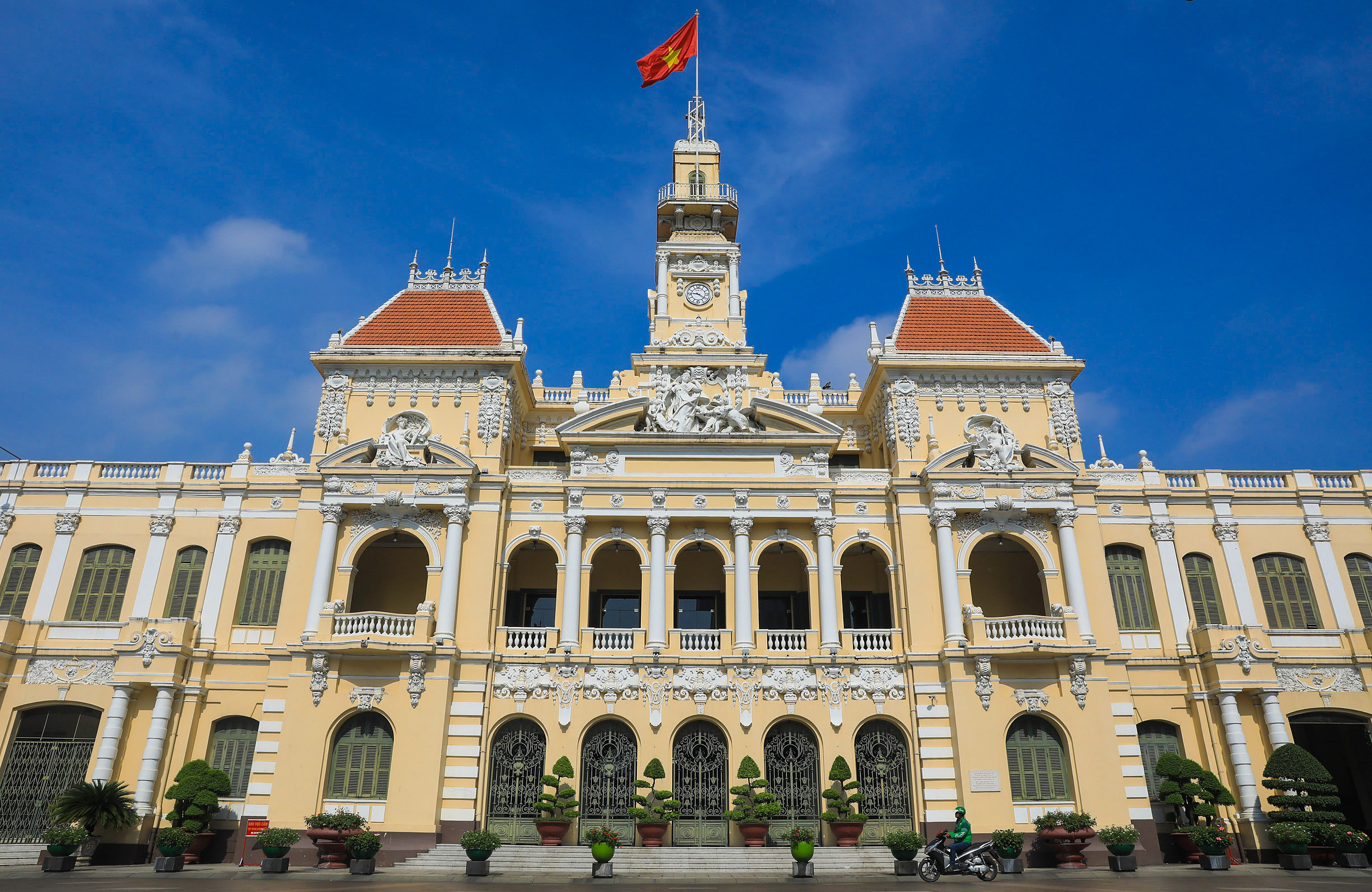 |
The headquarters of the Ho Chi Minh City People's Council and People's Committee. *Photo: Quynh Tran*
During the consultation, Doctor Tran Du Lich, Chairman of the Advisory Council for the implementation of National Assembly Resolution 98, emphasized that this represents a rare opportunity for Ho Chi Minh City to establish a systematic decentralization mechanism. This would fundamentally remove long-standing institutional bottlenecks.
He suggested legalizing mechanisms already piloted through Resolution 98 and Resolution 260, and boldly decentralizing powers in areas not related to national defense, security, foreign affairs, ethnic affairs, and religion. "Ho Chi Minh City is not asking for a budget; the city is only asking for mechanisms," he stated.
According to Doctor Lich, the law should focus on three main areas: genuine decentralization for urban governance, administrative procedure reduction, and providing Ho Chi Minh City with the flexibility to enact policies suited to its reality. The expert also proposed granting Ho Chi Minh City more authority over finance and budget, local bond issuance, public asset management, and state-owned enterprises.
Previously, Ho Chi Minh City Vice Chairman Nguyen Manh Cuong indicated that the draft law was developed with the spirit of "local decision, local action, local responsibility." It aims to create a new legal foundation for a super-metropolis in a new development phase. The proposed policies are large-scale, complex, far-reaching, and many are unprecedented.
The draft consists of nine chapters and 45 articles, focusing on four major issue groups: establishing the legal status of a special urban area; decentralization of power in urban governance; developing a green, smart city, maritime economy, and international financial center; and mechanisms for regional linkages and expanding development space.
"The special urban law is not merely about further decentralizing mechanisms or powers, but about building a new legal foundation for a super-metropolis in a new development phase," Cuong said.
The Politburo previously approved Ho Chi Minh City's initiative to develop a special urban law, similar to the Capital Law. The draft law is expected to be submitted to the 16th National Assembly for consideration in late 2026.
Le Tuyet