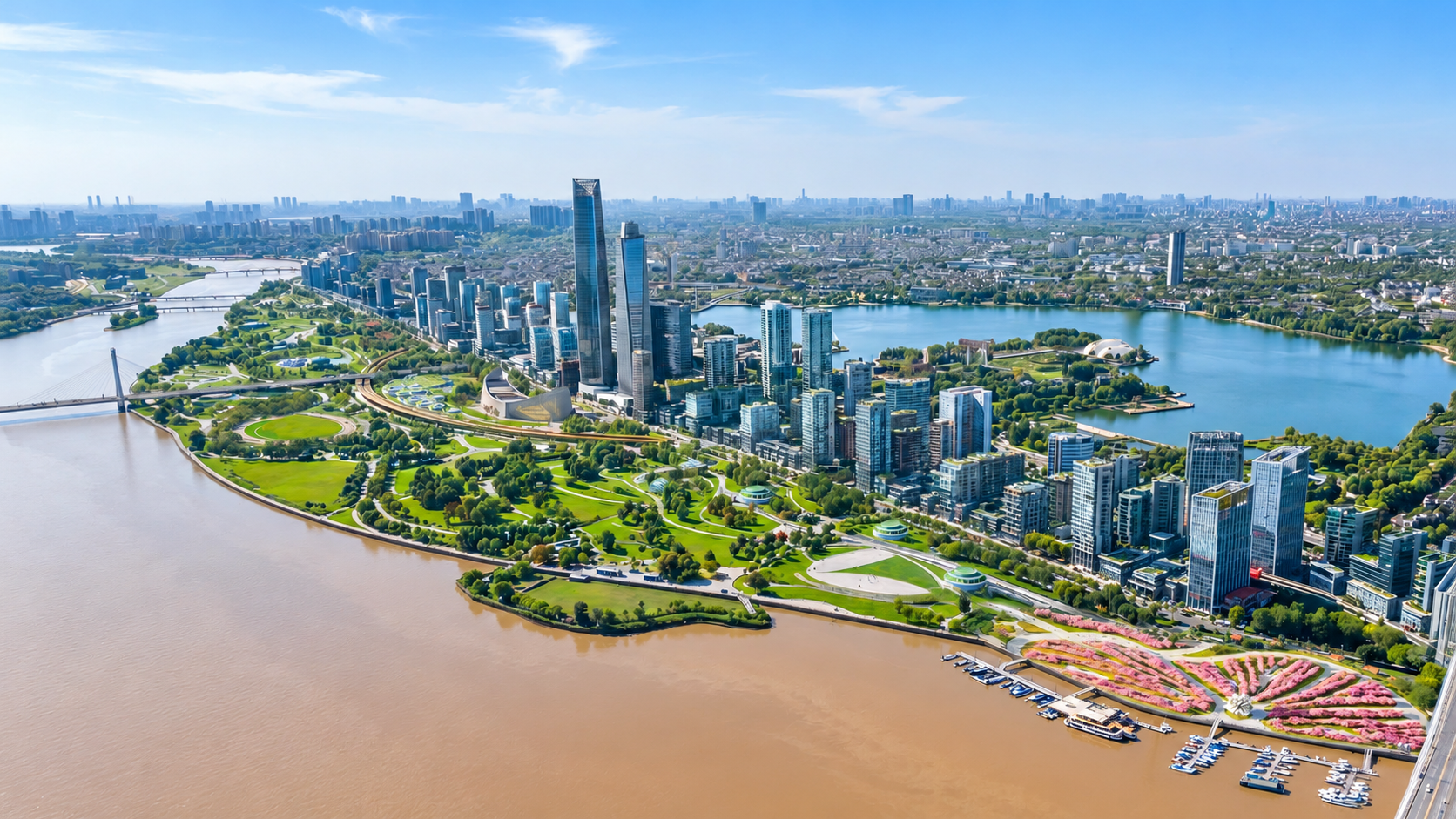
The People's Committee of Hanoi (PCH) has submitted a proposal to the City People's Council for approval of the investment policy for a project to build and reinforce critical dike systems, dredge, and treat environmental pollution in the Nhue River. This comprehensive initiative, to be implemented under a public-private partnership (PPP) model as a build-transfer (BT) contract, aims to address the river's severe water depletion and pollution. According to the PCH, the Nhue River no longer fulfills its function as a surface water source, with many water quality indicators consistently exceeding standards. For many years, localities and residents along the river have urged the city to promptly tackle the pollution, enhance the landscape, and improve transportation infrastructure.
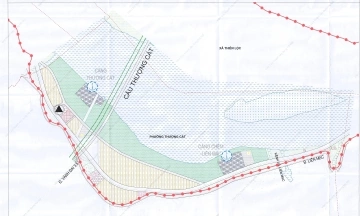
The project will span the Nhue River section from the Lien Mac sluice gate to the end of Hanoi's administrative boundary, traversing 19 communes and wards. These include: Thuong Cat, Dong Ngac, Phu Dien, Xuan Phuong, Tu Liem, Tay Mo, Dai Mo, Ha Dong, Kien Hung, Dai Thanh, Binh Minh, Ngoc Hoi, Tam Hung, Thuong Tin, Thuong Phuc, Dan Hoa, Phuong Duc, Chuyen My, and Ung Hoa. With an estimated total land requirement of 855 hectares, the preliminary investment is set at over 75,000 billion VND. GELEXIMCO Group - Joint Stock Company has been proposed as the investor, with implementation scheduled from 2026 to 2029.
The project is structured into four main components. The first involves site clearance for river widening according to planning, constructing roads, landscaping, and creating land funds along both riverbanks. These land funds will serve as payment for the BT contract and supplement the city's reserve land fund. The second component focuses on rehabilitating and dredging the riverbed, constructing an embankment system to protect the banks, upgrading existing sluice gates, and planning for a new regulating sluice gate in Xuan Phuong.
The third component includes investment in roads, technical infrastructure, lighting systems, and wastewater collection pipes along both riverbanks. It also involves constructing sewer lines, manholes, storm and wastewater separation wells, and pumping stations to transport wastewater to treatment plants. The fourth component aims to build a maximum of 13 wastewater treatment plants according to the master plan, synchronized with the collection system along the route.
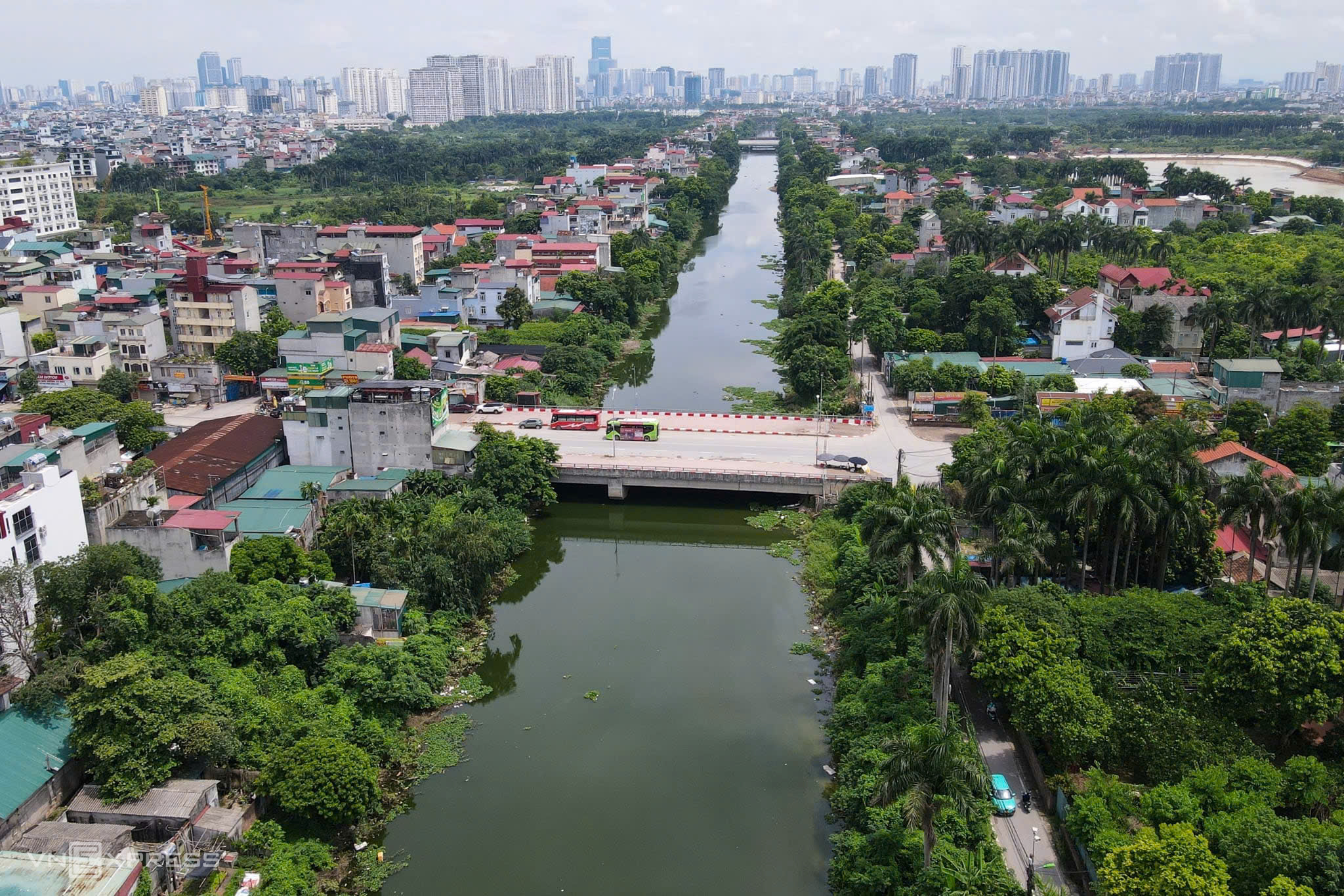 |
Nhue River section passing through Thuy Phuong ward, Dong Ngac ward. Photo: The Bang
To compensate the investor, Hanoi plans to utilize land funds from six counterpart projects, with an estimated total value of over 69,000 billion VND. These include: Son Dong - An Khanh urban area (117 hectares), an urban area in Yen Nghia ward (100 hectares), lot CT5 Giao Luu City urban area (1,5 hectares), an urban area along National Highway 32 (20 hectares), an urban area along Ho Tay - Ba Vi avenue (20 hectares), and the land plot at the beginning of Lien Mac sluice gate (95 hectares). The People's Committee stated that the counterpart land fund plan will be further studied and specifically determined during the feasibility study report preparation to ensure a harmonious balance of benefits between the State and the investor.
The Nhue River, approximately 61,5 km long within Hanoi's territory, extends from the Lien Mac sluice gate to My Duc commune, passing through 19 communes and wards. It serves as a vital water supply and drainage axis, connecting major transportation routes such as Tay Thang Long road, National Highway 32, Thang Long avenue, National Highway 6, and Ring Road 4.
Vo Hai