The initiative is currently underway on Phu My Bridge, heading from Cat Lai ward (formerly Thu Duc City) to Phu Thuan (formerly District 7). The concrete median barriers, totaling over 2 km in length, are being dismantled and replaced with plastic bollards, widening the motorbike lane by about half a meter.
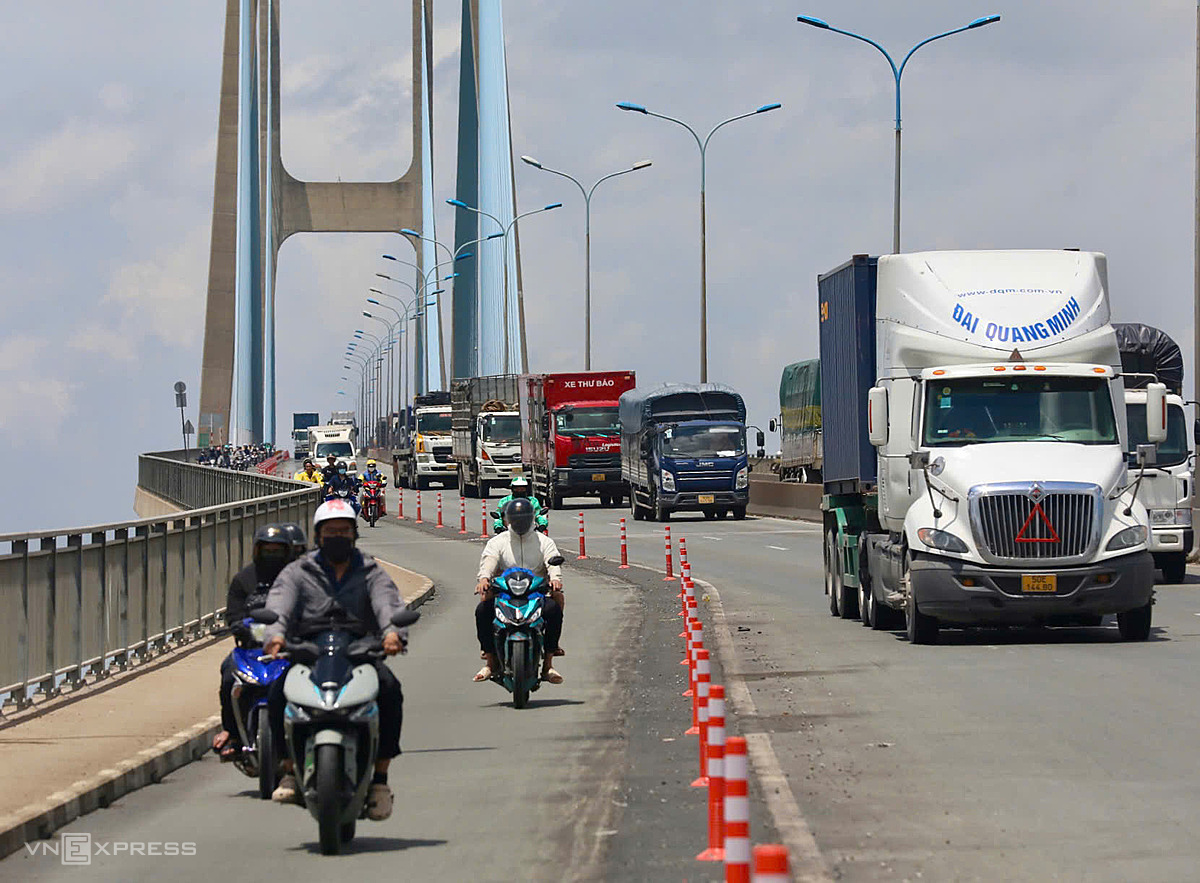 |
Concrete median barriers are being replaced by bollards on Phu My Bridge, heading from Cat Lai ward to Phu Thuan, 8/2026. *Giang Anh*
According to the Ho Chi Minh City Department of Construction, the replacement of median barriers with bollards was assigned to Phu My Bridge Investment Joint Stock Company, the project's investor, to be carried out temporarily during the repair of the bridge's expansion joints. After completion, the median barriers will be reinstalled, but are expected to be a thinner, more compact type, replacing the previous thick concrete, to increase road space.
Previously, the median barriers separating car and motorbike lanes on Phu My Bridge were made of concrete, 60 cm thick and about 80 cm high, installed permanently in both directions. The investor stated that, at the request of the management authority, the company plans to use steel median barriers after completing the expansion joint repairs. This design will occupy less bridge surface area than the previous concrete barriers.
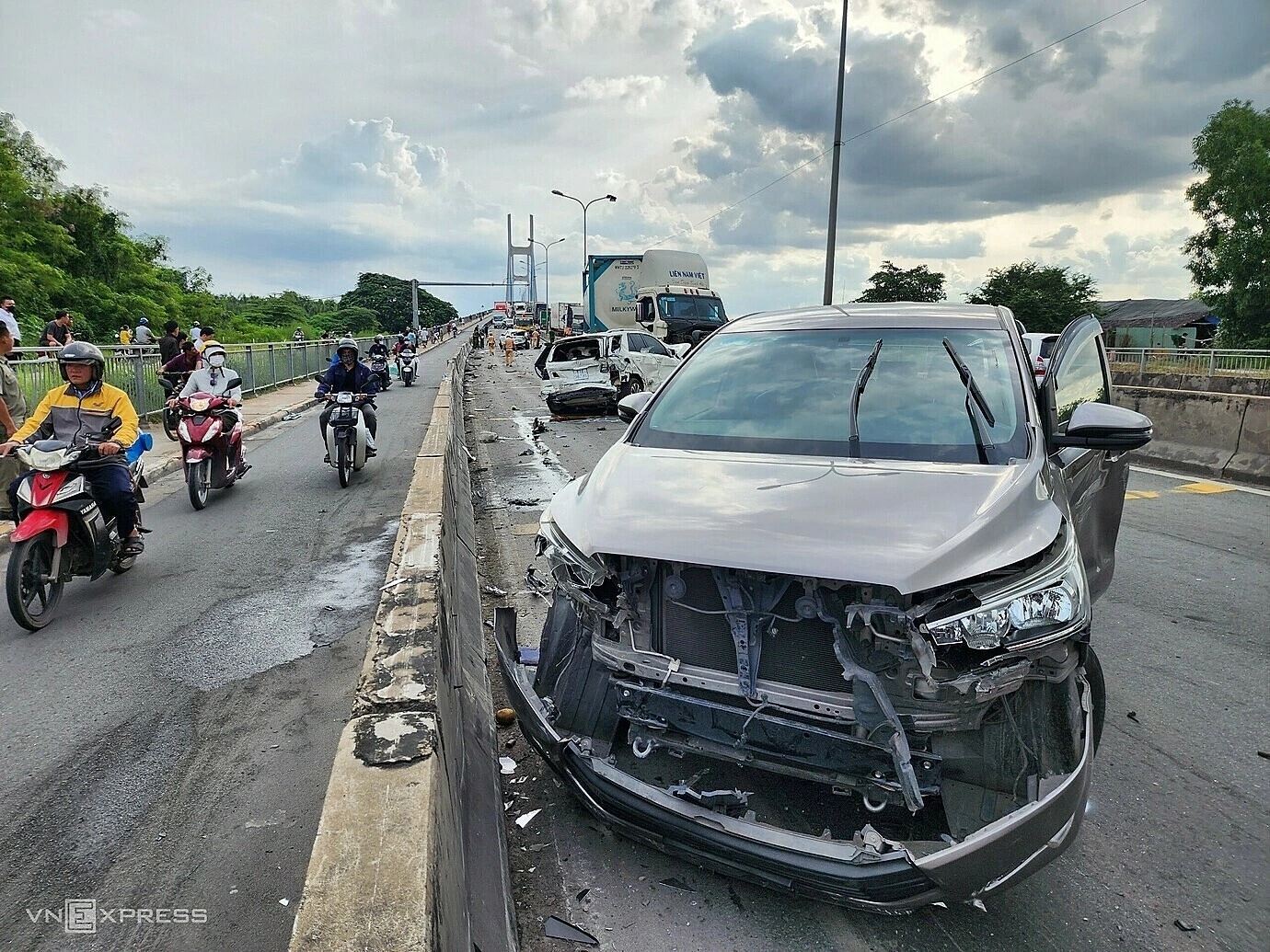 |
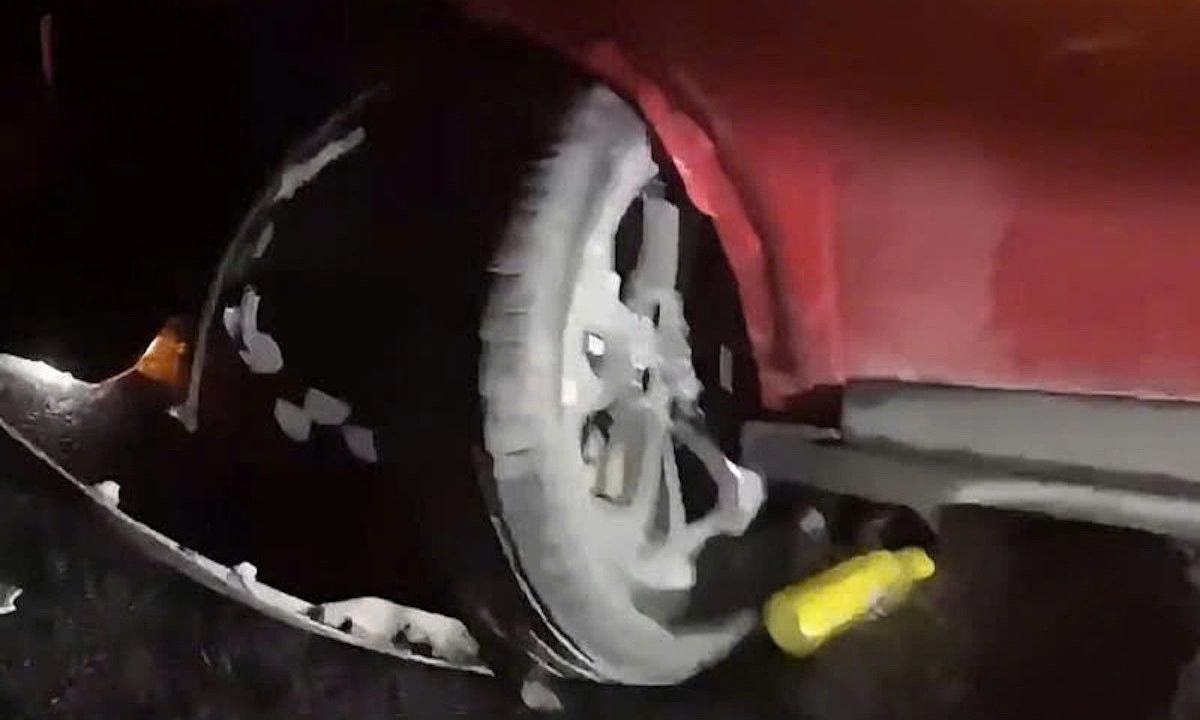
A multi-vehicle accident occurred on the downhill section of Phu My Bridge, heading from Phu Thuan ward to Cat Lai, 8/2024. *Dinh Van*
This adjustment is expected to create more space for vehicles on Phu My Bridge, helping to ease congestion given the bridge's consistently high traffic volume. However, these plans also raise safety concerns for many, as the bridge experiences a high volume of trucks and containers and has been the site of numerous accidents, particularly on its downhill sections.
"If a collision occurs, cars could easily swerve into the motorbike lane without sufficiently sturdy median barriers to stop them", said Phuong Oanh, 32.
In addition to adjusting the median barriers, the Ho Chi Minh City Department of Construction is urging the Ho Chi Minh City Management Board of Investment and Construction of Traffic Projects to accelerate the construction of the right-turn lane from Vo Chi Cong street into Dong Van Cong street, near Phu My Bridge. Several locations around the bridge are also slated for improvements, including additional lighting to enhance visibility and ensure safety.
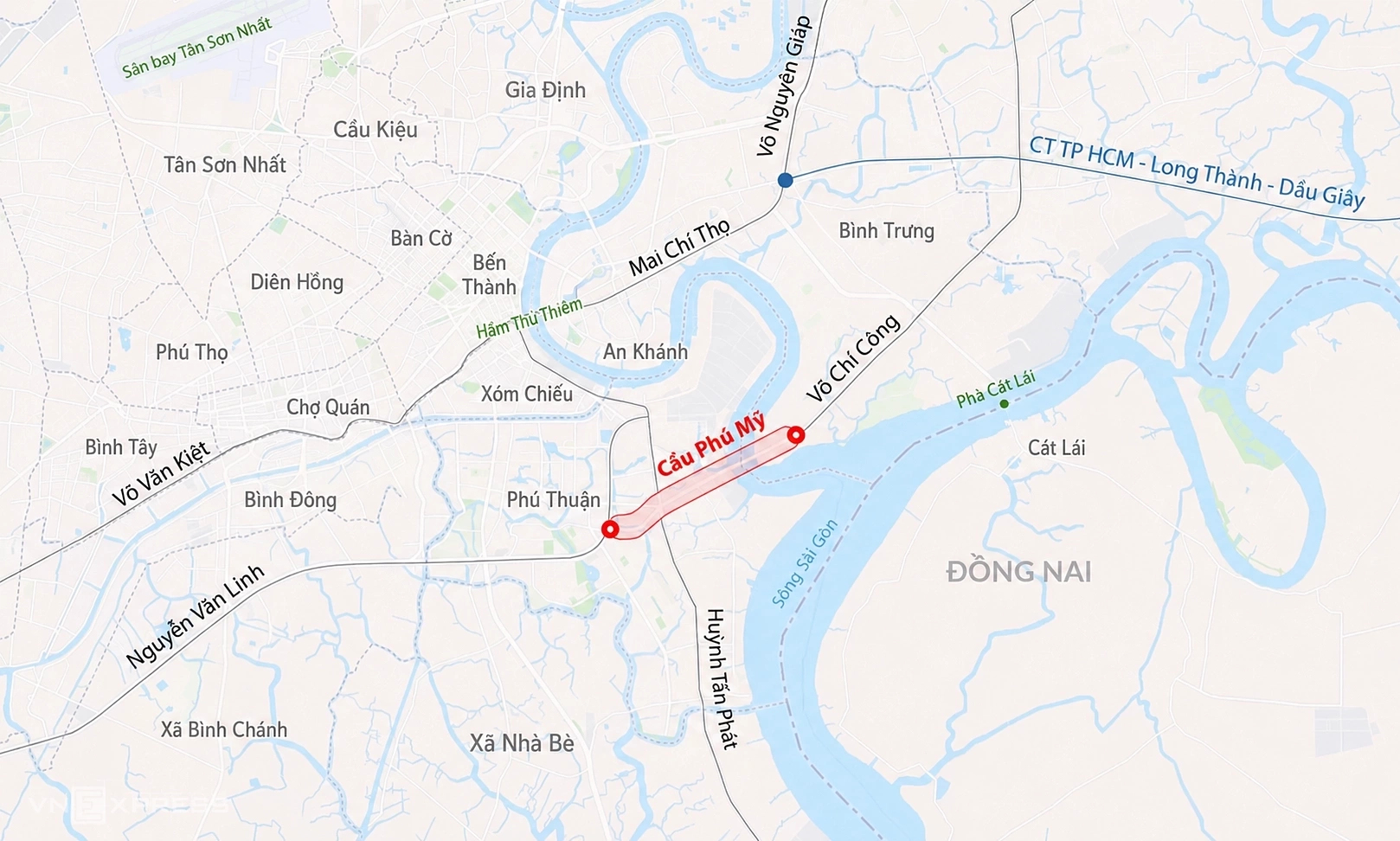 |
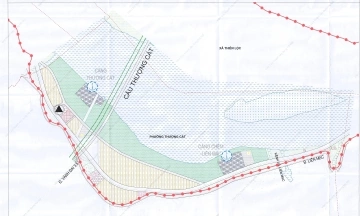
Phu My Bridge route map. *Dang Hieu*
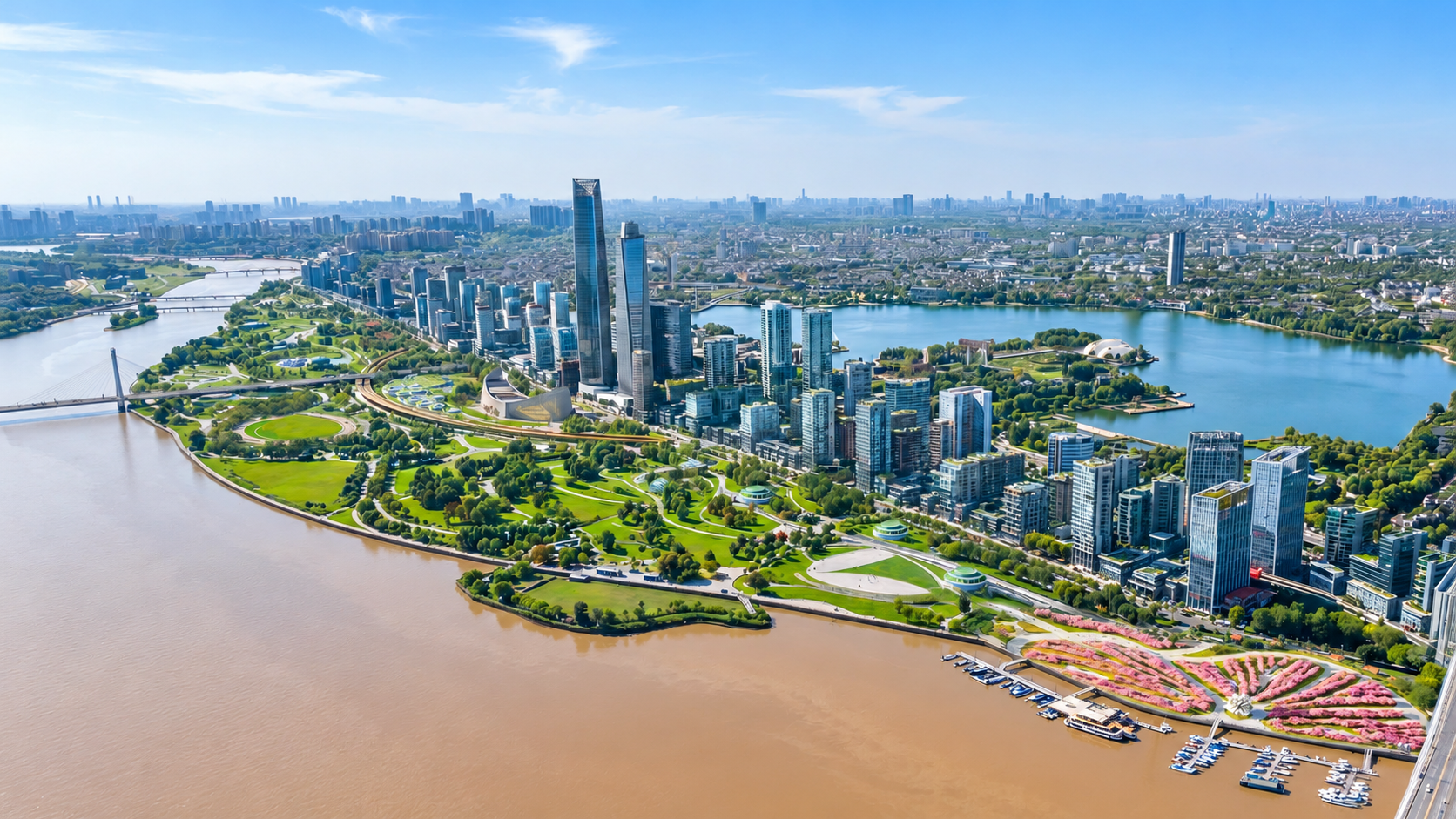
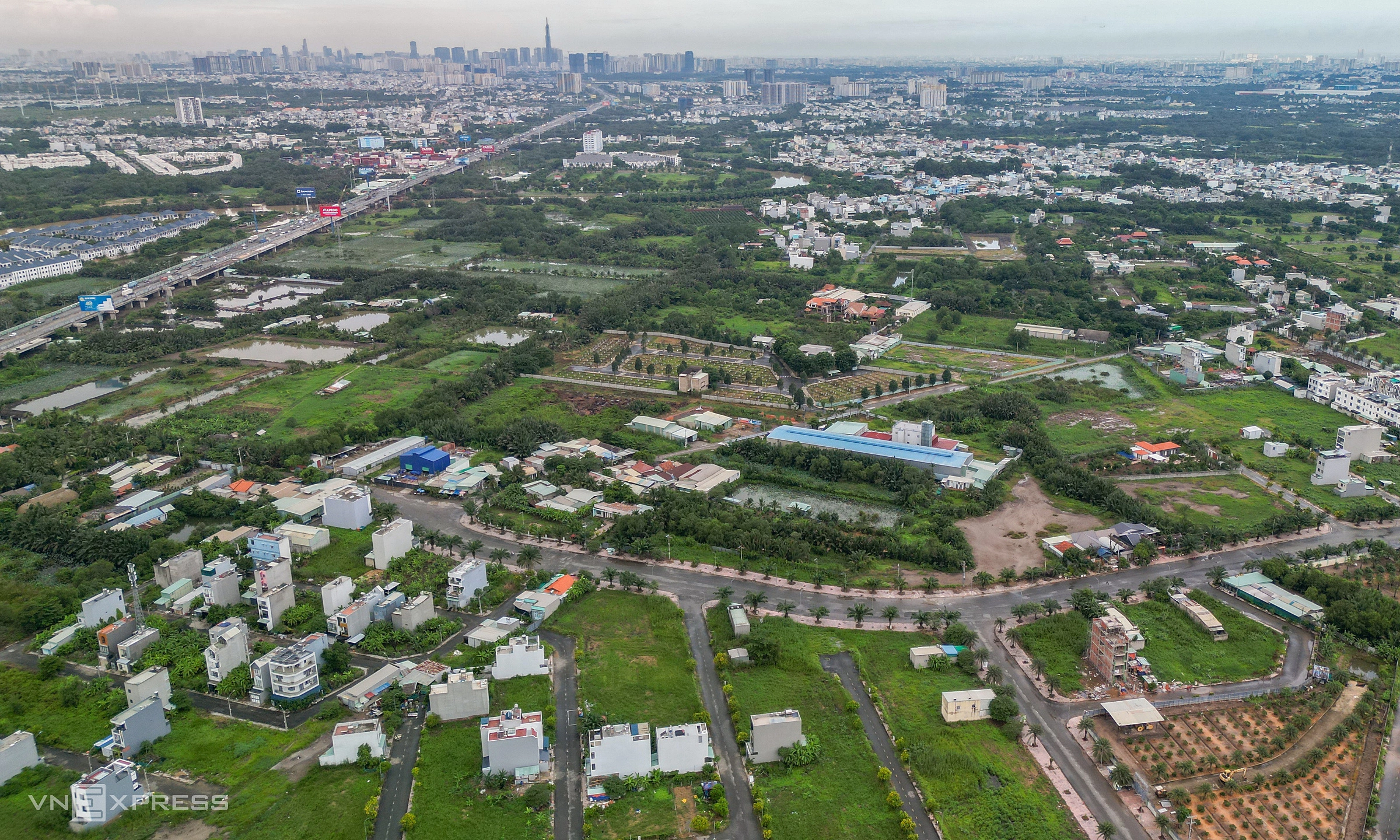
Phu My Bridge spans the Saigon River and is part of Ho Chi Minh City's Ring Road 2. It began construction in 2005 under a build-operate-transfer (BOT) model, with a total capital of approximately 2,077 billion VND, and was opened for operation in 2009.
As Ho Chi Minh City's first cable-stayed bridge, it is over 2 km long, features 6 lanes, and has a navigation clearance of 45 m. After more than 15 years of operation, the bridge consistently faces significant traffic pressure due to its location at the gateway to Cat Lai and Phu Huu ports, resulting in a high density of heavy-duty vehicles.
To alleviate congestion and synchronize infrastructure in the area, Ho Chi Minh City's transport sector is exploring plans to expand Phu My Bridge to at least 8 lanes, prioritizing implementation by 2030.
*Giang Anh*