Ho Chi Minh City plans a comprehensive review of leadership positions across all administrative levels, from the city to communes and wards. This initiative aims to optimize personnel and address operational challenges following one year of implementing a two-tier local government model.
Party Secretary of Ho Chi Minh City, Tran Luu Quang, announced the review at a conference on the morning of 28/5, summarizing the first year of the new administrative structure. Quang emphasized that the assessment will extend beyond communes and wards to include city-level departments, urging localities to proactively evaluate their teams and balance resources by reassigning staff between areas with surpluses and shortages.
The city anticipates reassigning some officials to more suitable roles to boost operational efficiency. Individuals with research expertise may join a new city research and development agency, expected to be established in July with an estimated 30-40 staff. Ho Chi Minh City also allows flexible personnel transfers between localities and departments as needed.
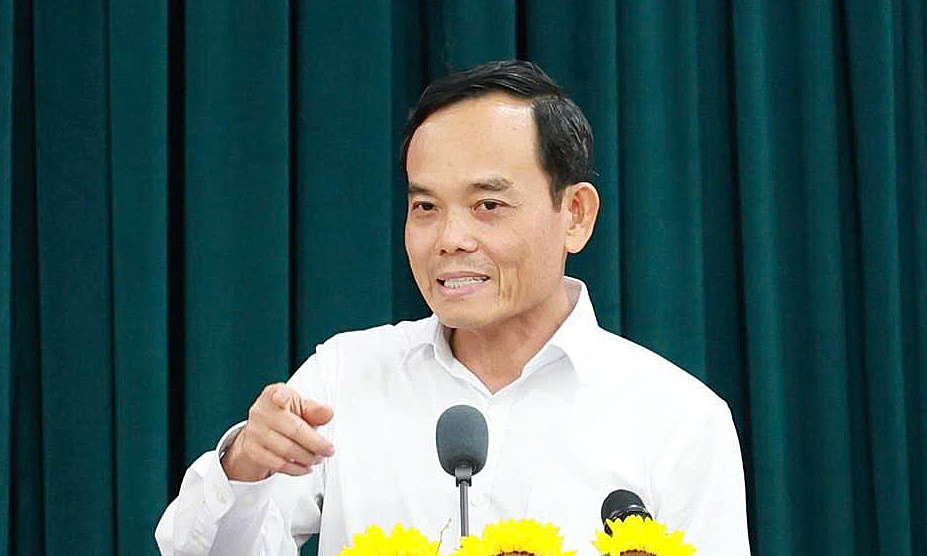 |
Party Secretary Tran Luu Quang speaking at the conference on the morning of 28/5. Photo: An Phuong. |
According to reports from various localities, the transition from a three-tier to a two-tier government model, after 80 years, has been "a revolution." This change has placed considerable pressure on the administrative apparatus, impacting personnel, workload, and management approaches.
Many communes and wards currently face a significant imbalance between their workload and available staffing. Over 1,000 tasks have been decentralized to the grassroots level, yet personnel numbers have decreased. This has resulted in some areas being overloaded, while others have fewer tasks but comparable staffing levels.
Quang also highlighted instances where officials, lacking state management training, were moved into government leadership roles. He cited the example of district-level party and union leaders now serving as ward chairpersons, a position that, post-decentralization, shoulders many additional responsibilities from district, city, and ministerial levels. "That is not the fault of the officials but rather due to our improper arrangements," he stated.
To address the overload in some communes and wards, Tran Luu Quang announced that Ho Chi Minh City will implement Politburo Resolution 09, permitting a maximum 20% increase in staffing. However, the city will not allocate resources uniformly but will prioritize areas with large, specific workloads.
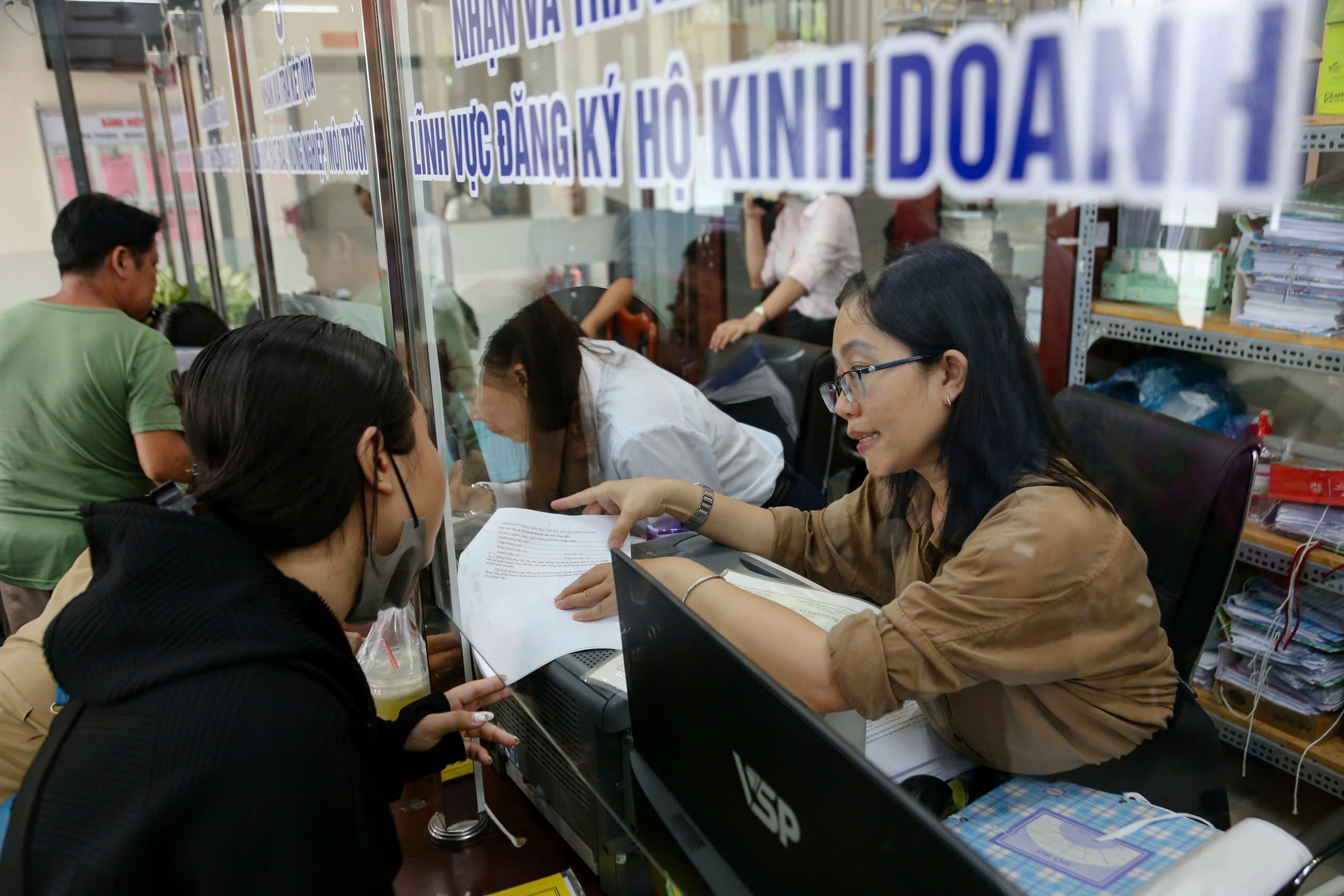 |
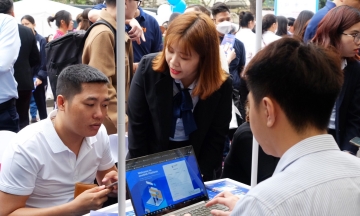
Officials at Ba Diem commune's public administration service center assisting residents. Photo: Dinh Van. |
Recruitment, Quang emphasized, must be based on capability, avoiding the practice of "sending in" personnel (nepotism). He affirmed the city's support for open competitive examinations to attract excellent students and high-quality human resources to the public sector.
Earlier, Van Thi Bach Tuyet noted that the two-tier government model streamlines administration, reduces intermediate levels, and increases autonomy for grassroots units. However, she observed that the city still requires deeply specialized personnel in fields such as information technology, finance, land, construction, healthcare, and education.
Nguyen Anh Tuan, Party Secretary of Ba Diem commune, reported that his locality, with over 204,000 residents, lacks specialized staff in information technology, digital transformation, and record keeping. He added that the existing archiving system, facilities, and technical infrastructure are insufficient to manage the current increase in administrative records. Consequently, Tuan proposed that Ho Chi Minh City consider supplementing staffing levels to match the workload at the commune level, particularly in densely populated and expansive areas like Ba Diem commune.
Le Tuyet