The Government Office on 24/7 announced the conclusions of Deputy Prime Minister Nguyen Van Thang's working session with Hung Yen provincial leaders last week, emphasizing the aforementioned directive.
The Deputy Prime Minister assigned the locality to expedite the establishment of 36 potential communes into wards, aiming for urban administrative units to exceed 50% of the province.
The province needs to continue streamlining its apparatus, ensuring smooth and effective operation of the two-level local government. It should also review and assess the feasibility and effectiveness of decentralization to the commune level, and re-evaluate its cadre team for appropriate arrangements.
Mr. Thang noted that the locality must build a team of officials, especially at the grassroots level, who are close to the people, dare to think, act, and take responsibility for the common good, avoiding shirking duties.
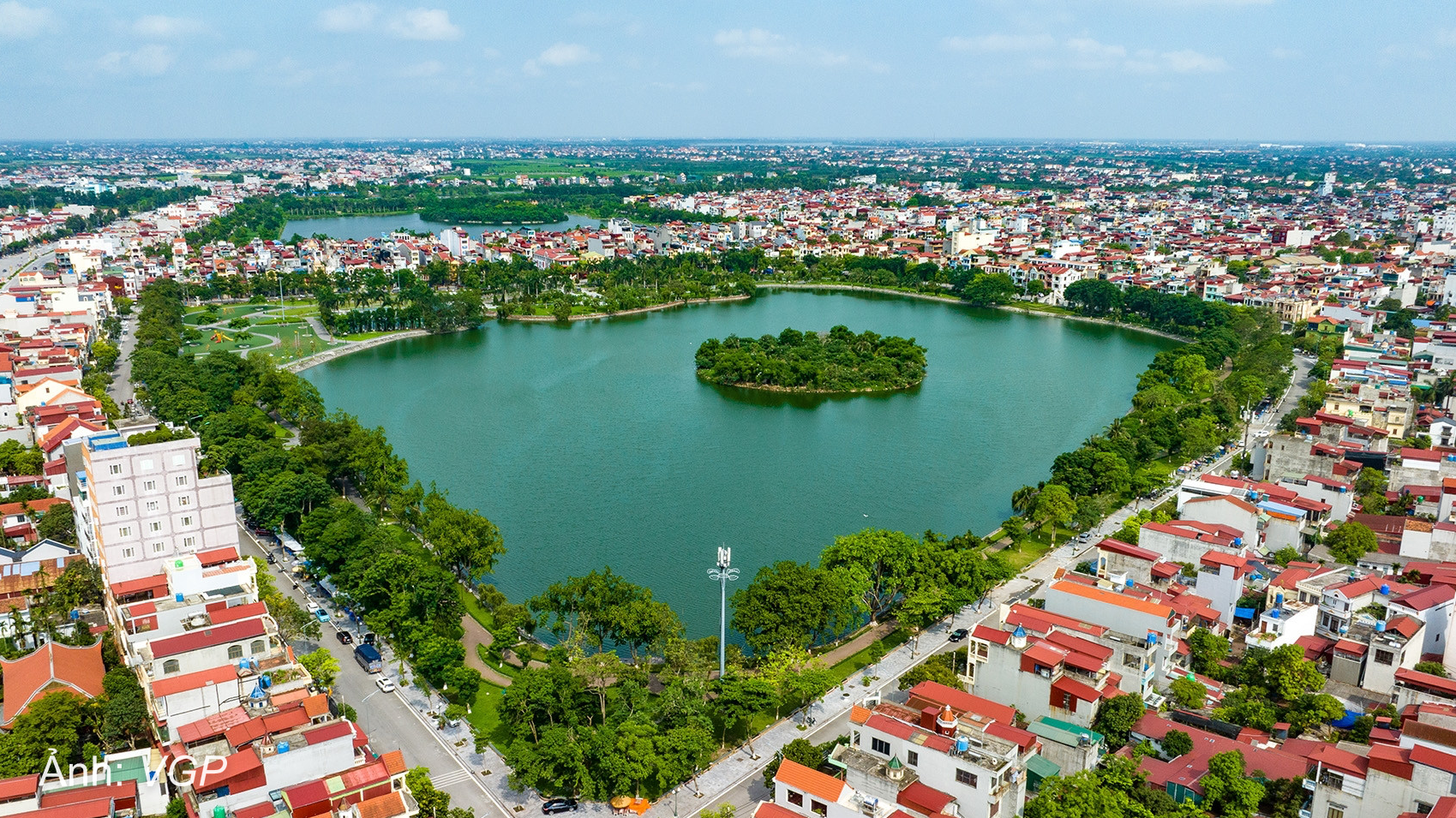 |
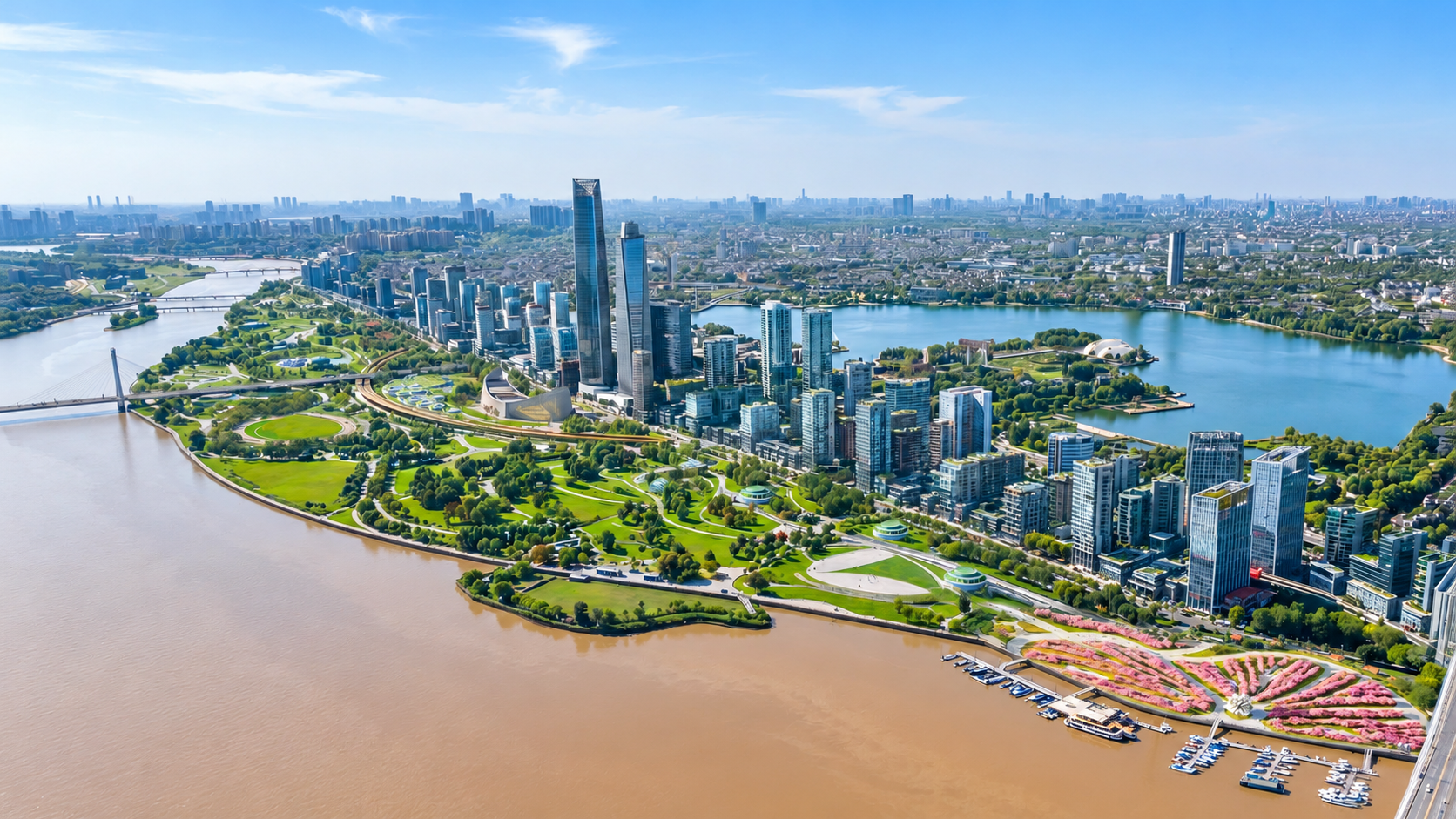
A view of Hung Yen province. Photo: VGP |
Hung Yen also needs to prioritize developing high-quality human resources to become a leading training center for the Red River Delta region and the entire country. Education and training should be considered a pillar in the province's socio-economic development.
Proposals for building Hung Yen into a modern industrial province, among the nation's leaders, and transforming it into a strong northern coastal economic center for the 2026-2030 period, with a vision to 2045, need to be completed soon. Hung Yen has the potential to become an energy hub for the Red River Delta.
Hung Yen province was established in July 2025 through the merger of Hung Yen and Thai Binh provinces. Covering an area of 2,500 km2 with a population of 3,560, it is located in the Red River Delta. Hung Yen borders Hai Phong, Bac Ninh, Hanoi, Ninh Binh, and the East Sea. It is enriched by three major rivers – the Hong River, Luoc River, and Thai Binh River – and boasts a coastline of over 50 km within the Gulf of Tonkin.
In 2025, the province's gross regional domestic product (GRDP) is estimated to reach 166,106 billion VND, an increase of 8.78% compared to 2024, placing it among the 10 localities nationwide with the highest growth rate. Its economic scale ranks 12th out of 34 provinces and cities, with an estimated GRDP per capita of 99 million VND.
Currently, Vietnam has seven centrally-run cities: Hanoi, Hai Phong, Hue, Da Nang, Ho Chi Minh City, Can Tho, and Dong Nai. The third plenum of the 14th Party Central Committee recently approved the policy to establish Quang Ninh and Bac Ninh as centrally-run cities.
Ninh Binh is also slated to become a centrally-run city by 2030. If these proposals are approved by competent authorities, Vietnam will have 11 centrally-run cities.
Vu Tuan