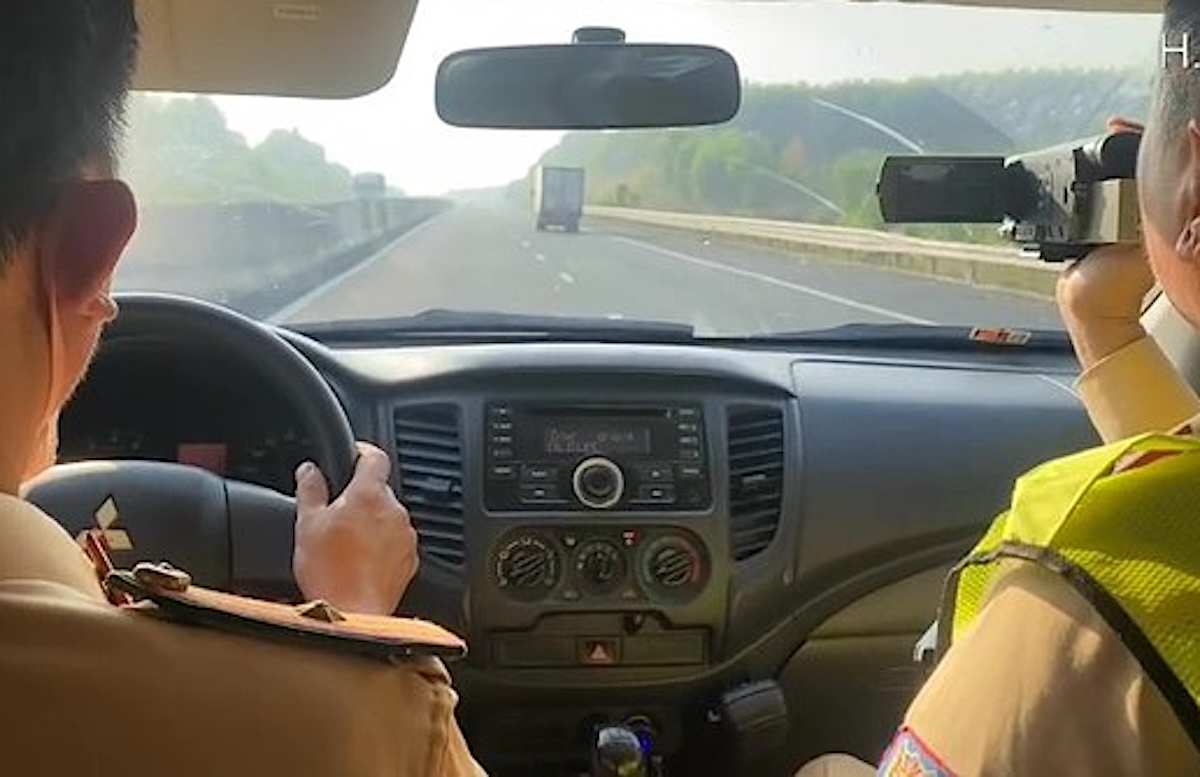
Under current regulations, vehicles participating in traffic are issued an inspection certificate and must display an inspection sticker on the windshield. However, according to Decree 98/2026 on inspection service business conditions, recently issued by the government, vehicles will no longer need to display these stickers.
The elimination of physical stickers will reduce printing costs for inspection centers and minimize issues like stickers peeling off, getting damaged, or being counterfeited. Additionally, monitoring and oversight will become more efficient as authorities can directly access digital data, removing reliance on stickers affixed to vehicle windshields.
Since March, the vehicle registration and inspection sector has been issuing electronic technical safety and environmental protection inspection certificates to vehicle owners, replacing paper versions. Printing these paper documents added to the costs for inspection facilities. Furthermore, paper certificates were prone to loss or damage during use, requiring reissuance and causing inconvenience.
Standardizing green vehicle classification
The Ministry of Construction is currently drafting a circular for road vehicle inspection, which includes specific definitions for various vehicle types. Fuel cell electric vehicles (FCEV/PFCEV) are defined as vehicles where the fuel cell is the sole power source for the propulsion system.
For hybrid vehicles, the drafting agency clearly classifies different types. Mild hybrid electric vehicles (MHEV) use an electric motor to assist the internal combustion engine during situations such as starting, accelerating, and regenerative braking, and to power auxiliary systems. However, they cannot be charged externally.
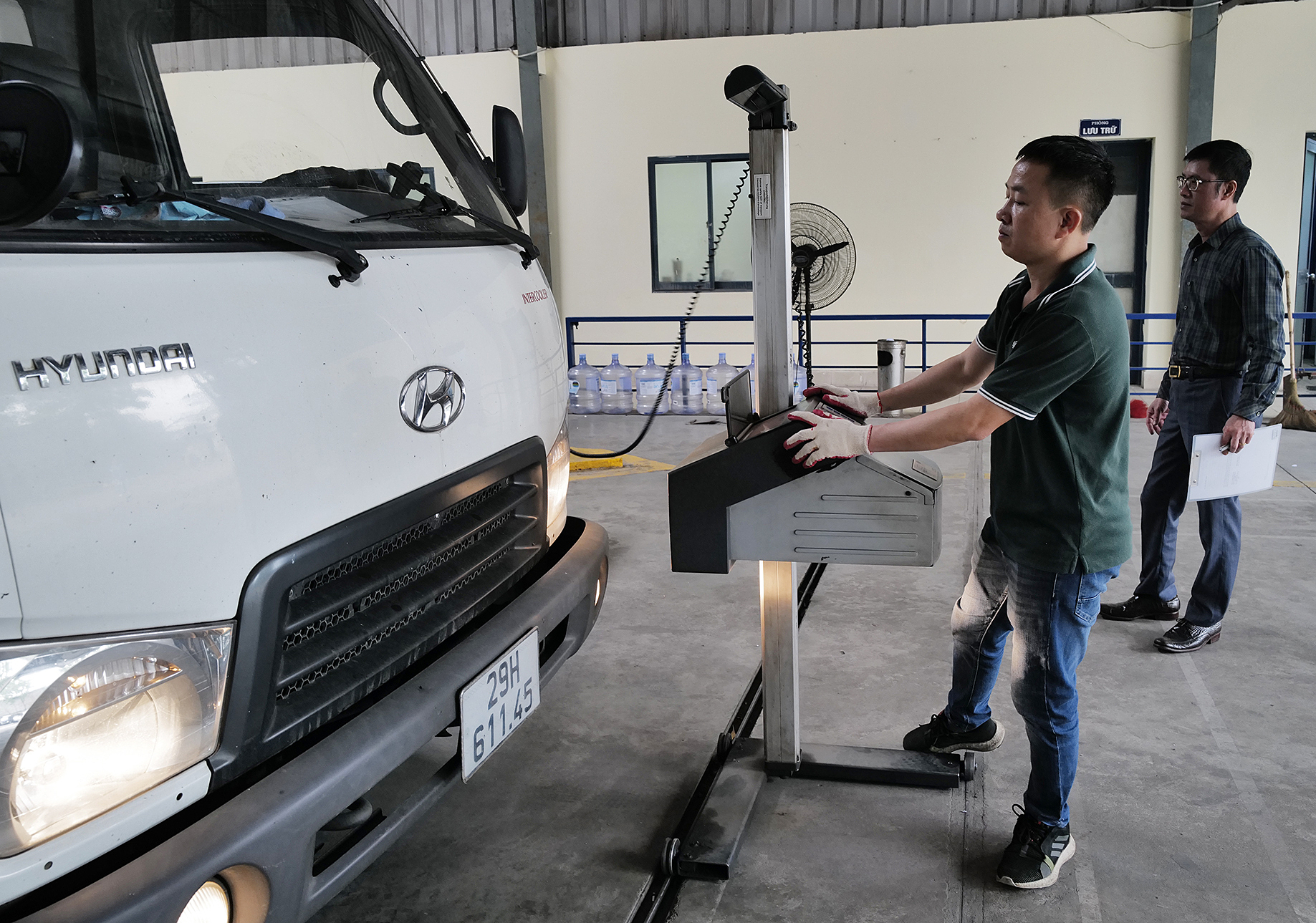 |
Vehicle inspection in Hanoi. *Photo: Ngoc Thanh*
Full hybrid electric vehicles (FHEV/SHEV) can operate on electric power under certain conditions, such as starting, low-speed driving, or for short distances, but also lack external charging capabilities.
Plug-in hybrid electric vehicles (PHEV) are defined in the draft as vehicles that can be charged from an external power source.
Range-extended electric vehicles (REEV/EREV) are described as vehicles developed from pure electric models, using an electric motor as the sole drive source, capable of external charging, and equipped with an additional generator to charge the battery. The draft specifies a minimum pure electric range of not less than 250 km.
For battery electric vehicles (BEV/PEV), the draft clarifies that these vehicles use an entirely electric drivetrain system, without any energy converter from fuel to generate drive power.
The draft also introduces a definition for smart vehicles as those capable of operating without a direct driver, corresponding to automation levels 4 to 5.
This standardization of concepts for new technology vehicles, coupled with the reduction of unnecessary procedures, will establish a clearer legal framework for the green and smart vehicle market in Vietnam. This initiative aims to promote the transition towards sustainable transportation and align with global technological trends.
Doan Loan