On the afternoon of 30/7, Trinh Van Quyet, Head of the Central Propaganda and Mass Mobilization Commission, met with press agencies. He stated that each timely and relevant article serves as "a building block for trust." Conversely, he warned that silence in the face of wrongdoing creates a void for negativity.
He asserted that while four strategic shifts represent a command of the times, the transformation of journalism is a command from the people's will. He urged revolutionary journalism to affirm its role as the mainstream information source, serving as the voice of the Party and the people, thereby helping citizens correctly understand the nation's path.
According to the Head of the Central Propaganda and Mass Mobilization Commission, journalism must strongly innovate its content and communication methods. It should increase analysis and interpretation of Party lines and policies, moving beyond merely reporting on activities and events in a "protocol-driven" manner.
Press agencies should proactively identify and clarify practical issues and bottlenecks. They must not shy away from difficult topics or leave room for malicious, false information to exploit. Instead of waiting for information to be provided, the press must proactively gather, analyze, and convey accurate information to the public in a timely manner.
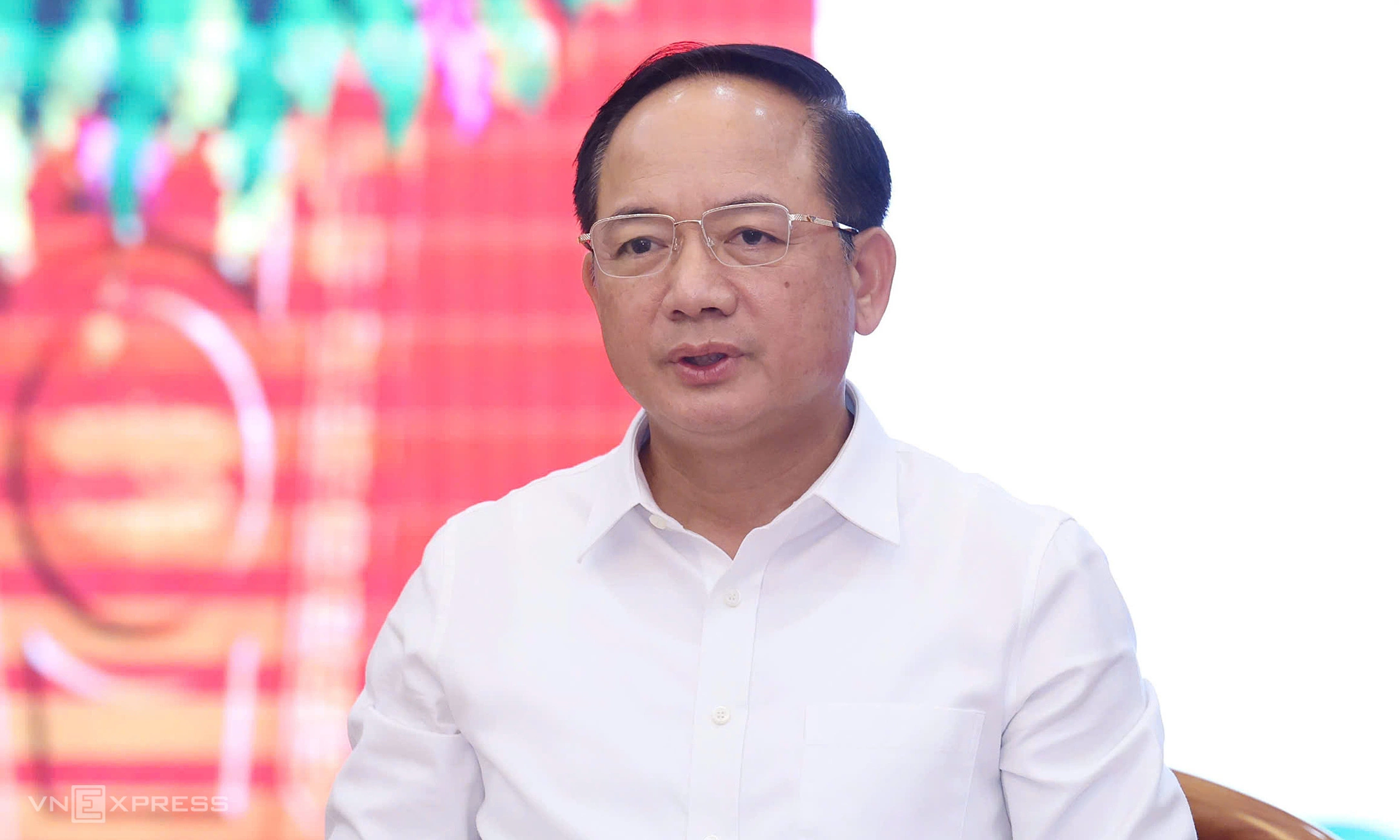 |
Trinh Van Quyet, Head of the Central Propaganda and Mass Mobilization Commission, speaks at the working session with press agencies on the afternoon of 30/7. Photo: Hoang Phong. |
Trinh Van Quyet, Head of the Central Propaganda and Mass Mobilization Commission, speaks at the working session with press agencies on the afternoon of 30/7. Photo: Hoang Phong.
He also called on the press to spread good values, honor good people and good deeds, and inspire patriotism, national pride, and the aspiration to contribute. Furthermore, it should champion what is right and good, while criticizing negative behavior.
Three key communication priorities for the coming period include: achieving a two-digit economic growth target; building a disciplined, safe, civilized, harmonious, and developed society; and developing Vietnamese culture and people to meet the demands of the new era.
In these efforts, the press must clarify the Party's leadership role, the government's flexible management, and the solidarity of the entire population. It should inspire enthusiasm, confidence, and the aspiration for national development, while also promoting the image of Vietnam and its people to international friends.
He stressed that these priorities will only be effective if built upon a foundation of social trust. Therefore, journalism must strictly implement procedures for appraising and verifying information sources, especially content related to history, national leaders, and revolutionary predecessors, ensuring accurate, objective information and avoiding errors.
The Head of the Central Propaganda and Mass Mobilization Commission also proposed promoting the application of artificial intelligence, big data, and new technologies in content production and distribution. However, he emphasized that technology is merely a supporting tool; it cannot replace the political steadfastness, professional responsibility, and role of journalists. Management agencies need to proactively provide information early, enabling the press to timely guide public opinion and avoid situations where "journalism is asked to lead, but information is provided slowly."
Mr. Quyet stated that the legal framework for journalistic activities will continue to be refined alongside the implementation of the Press Law and its guiding documents. Soon, the Politburo will consider and approve a strategy for ideological work in the new context, which includes building shared technical infrastructure for the entire press system.
Evaluating journalistic activities in the early months of 2026, he noted that press agencies have effectively served as a bridge between the Party and the people. They have also successfully implemented peak communication campaigns, bringing strategic resolutions of the Politburo to officials, Party members, and citizens.
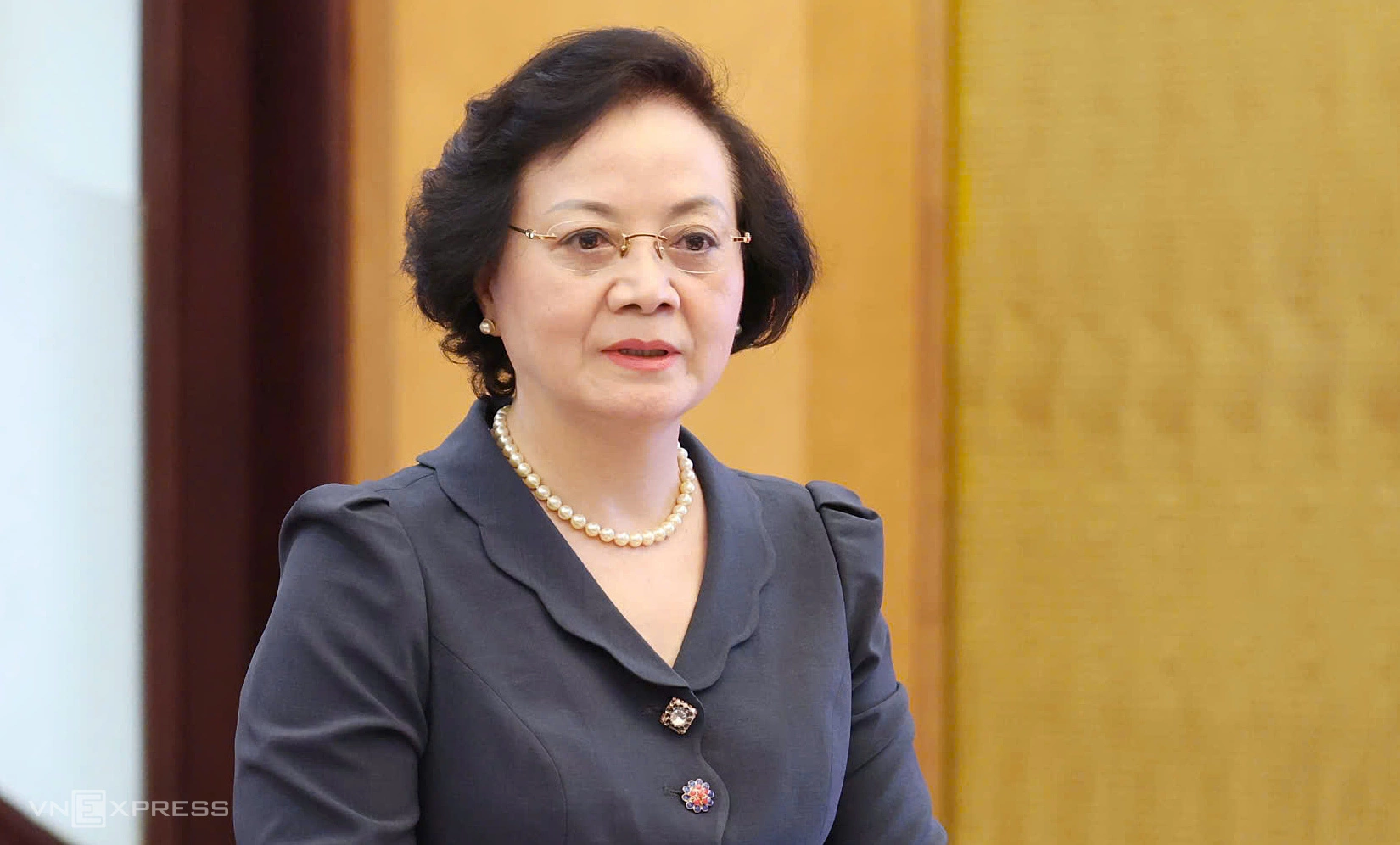 |
Deputy Prime Minister Pham Thi Thanh Tra speaks at the working session with press agencies on the afternoon of 30/7. Photo: Hoang Phong. |
Deputy Prime Minister Pham Thi Thanh Tra speaks at the working session with press agencies on the afternoon of 30/7. Photo: Hoang Phong.
Speaking at the working session, Deputy Prime Minister Pham Thi Thanh Tra assessed that the press has recently communicated quickly and timely, helping citizens and businesses recognize the results of administrative procedure reduction, simplification, and the removal of institutional bottlenecks.
She urged the press to reflect the nation's achievements more comprehensively and positively. It should also proactively guide public opinion, analyze, and critically review policies, maximizing digital platforms to expand communication space.
The government will research and develop a shared database for communication purposes. It will also refine economic-technical norms, mechanisms for commissioning journalistic content, and methods for evaluating and measuring communication effectiveness.
Nguyen Phong