 |
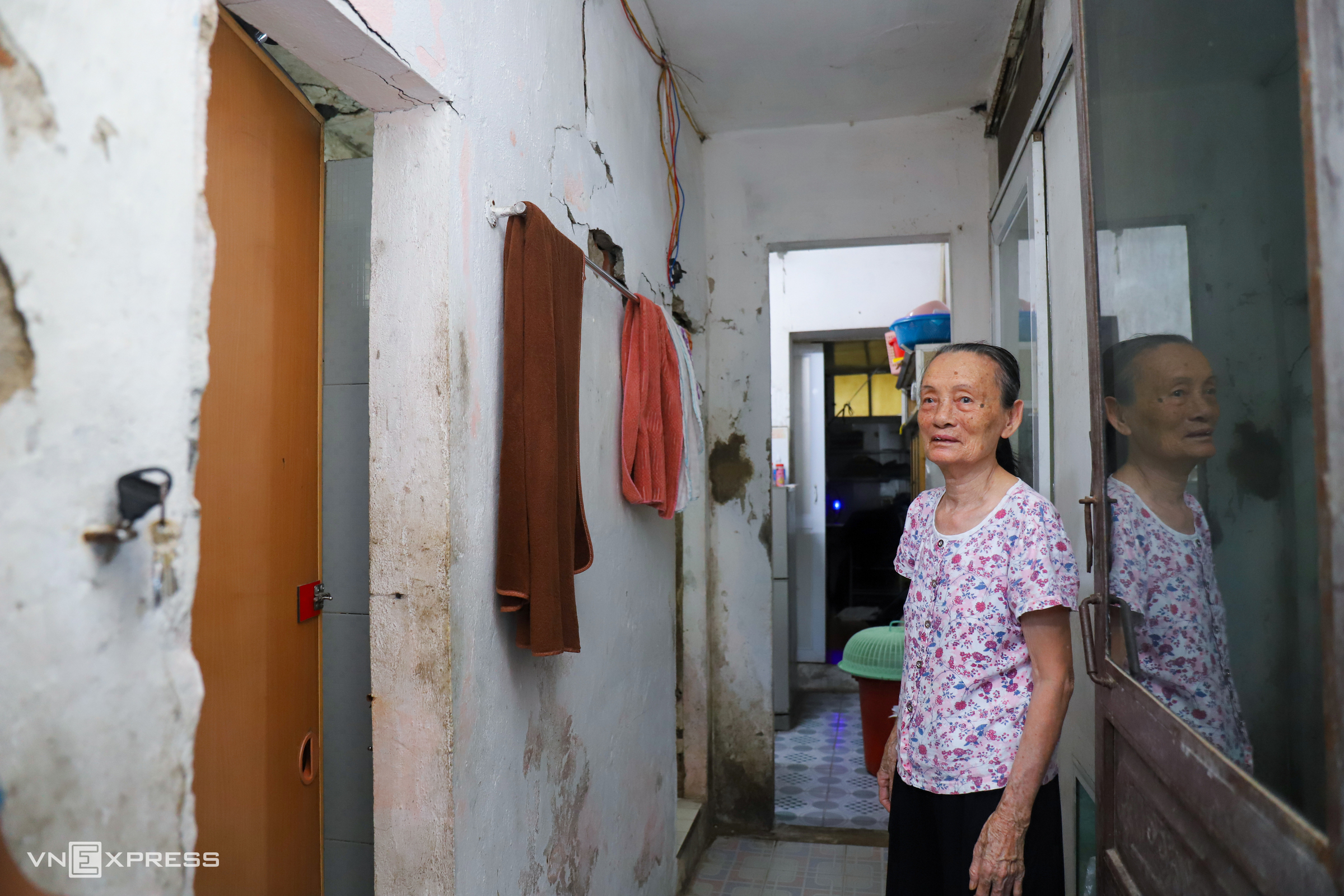
Nguyen Thi Chau, 84, a former worker at Vinh Railway Locomotive Enterprise, stated that she previously purchased a 36-square-meter apartment in the complex. The entrance is now cracked, and many areas suffer from leaks. Due to financial constraints, she has not been able to afford land and build a new home elsewhere for many years, so she remains here. |
 |
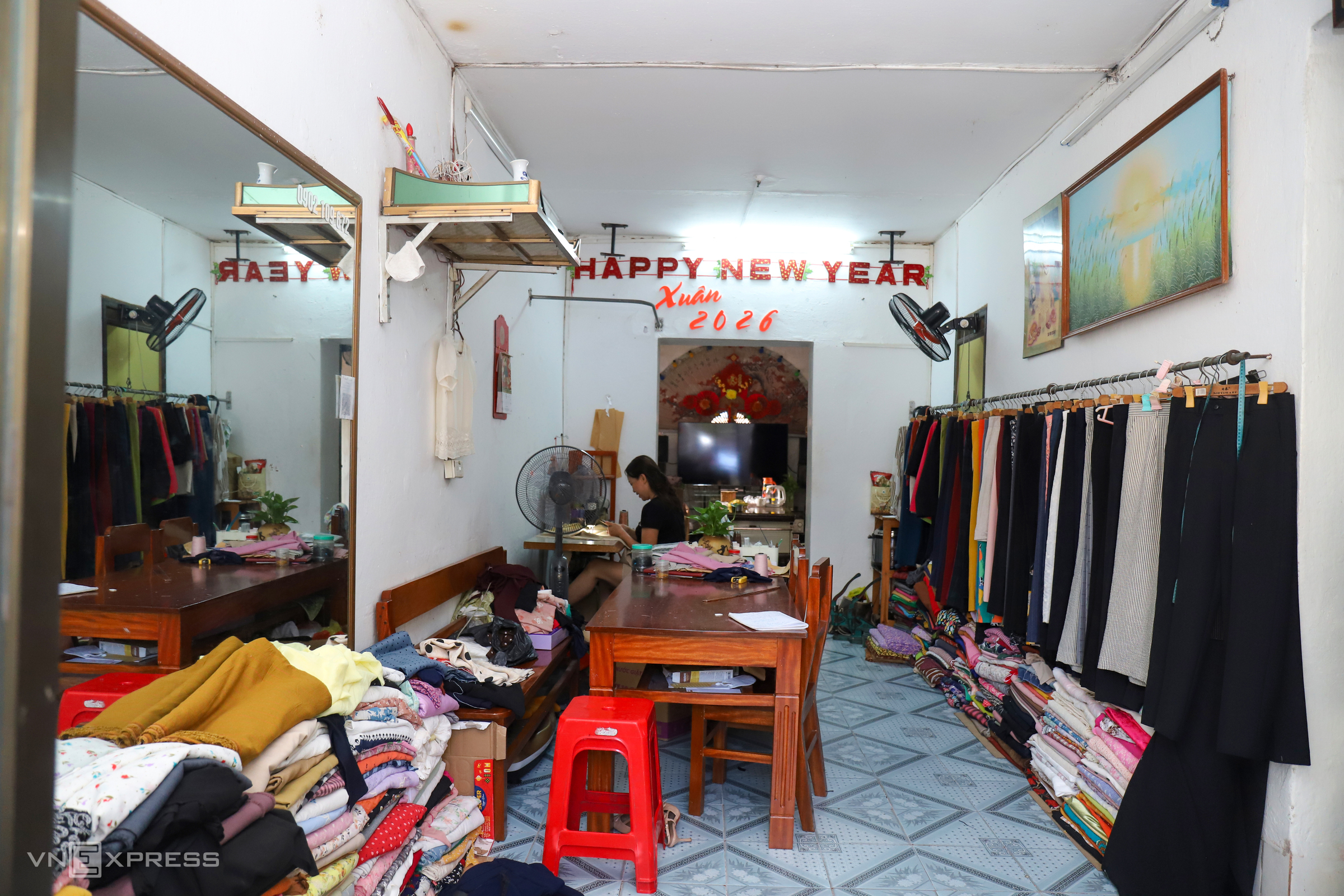
Previously, many ground- and second-floor apartments were converted into general stores by residents. Over time, these shops gradually closed, and now only a few women continue tailoring in their apartments within the complex. |
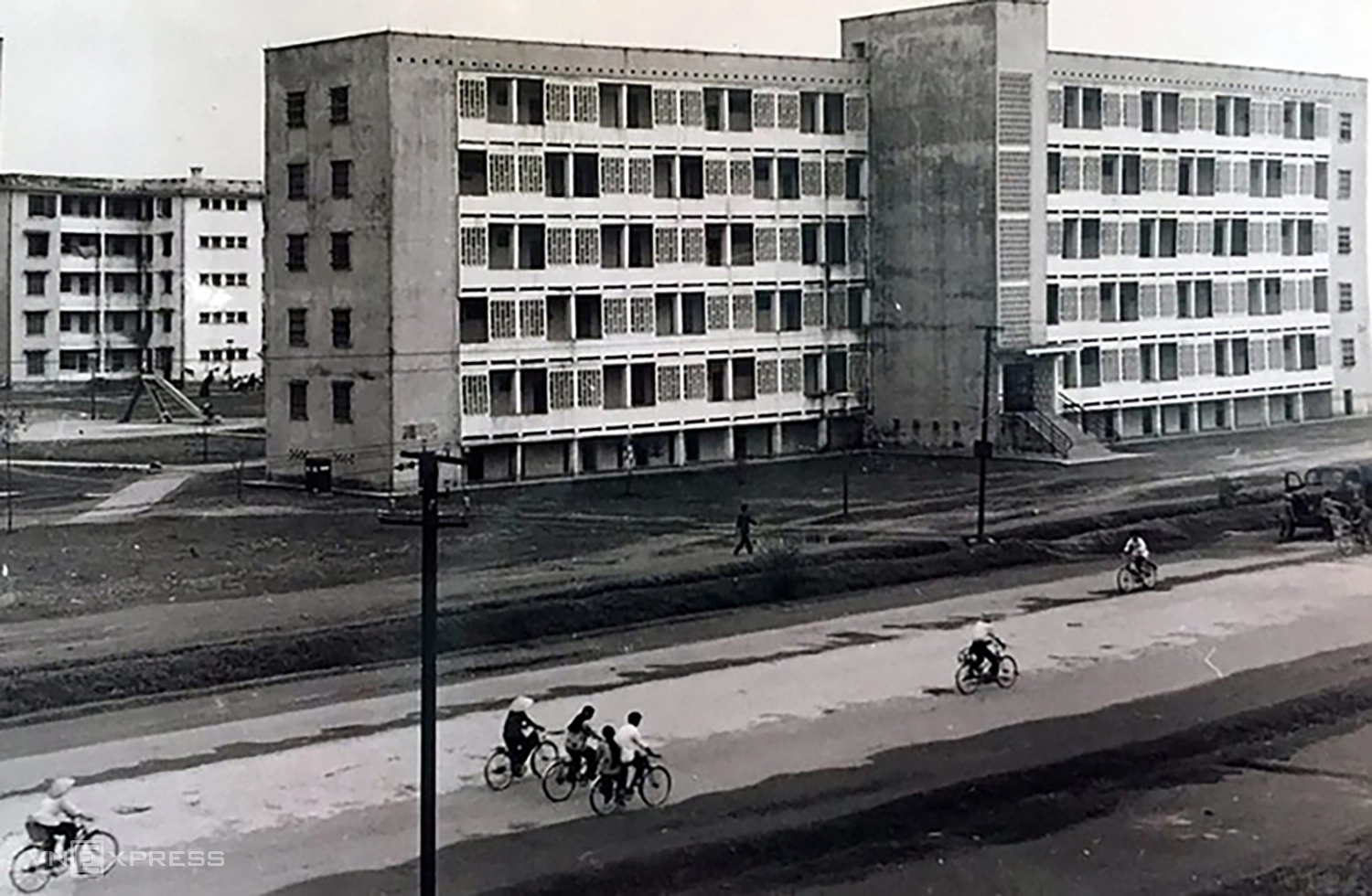
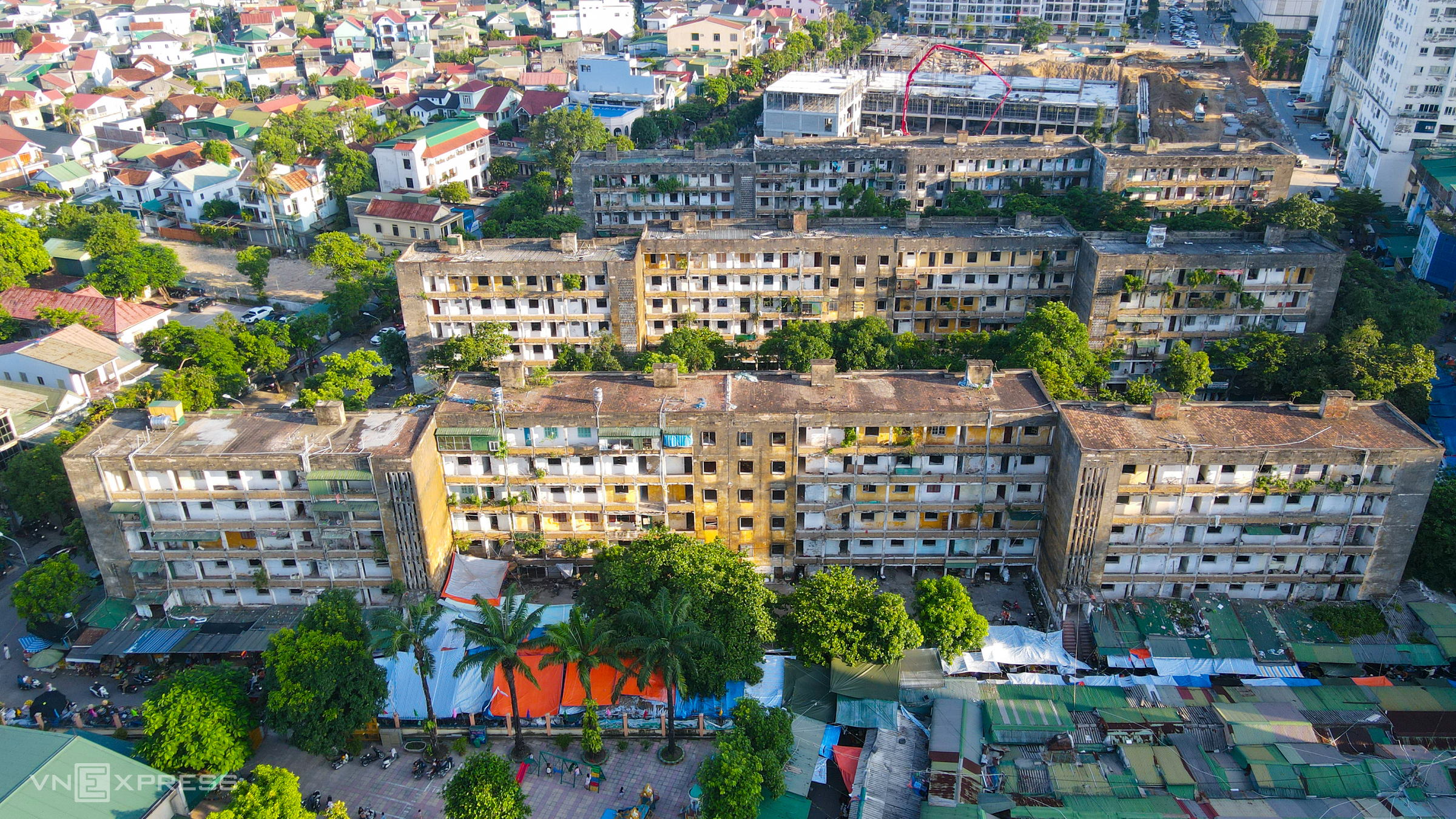
The Quang Trung apartment complex, formerly part of Quang Trung ward in old Vinh City and now in Truong Vinh ward, began construction in 1974 with aid from the German government. Completed in the early 1980s, the complex comprised 24 five-story buildings with 1,829 apartments, covering a total area of 41,233 square meters. The complex also included six schools, along with cultural, sports, and commercial facilities.
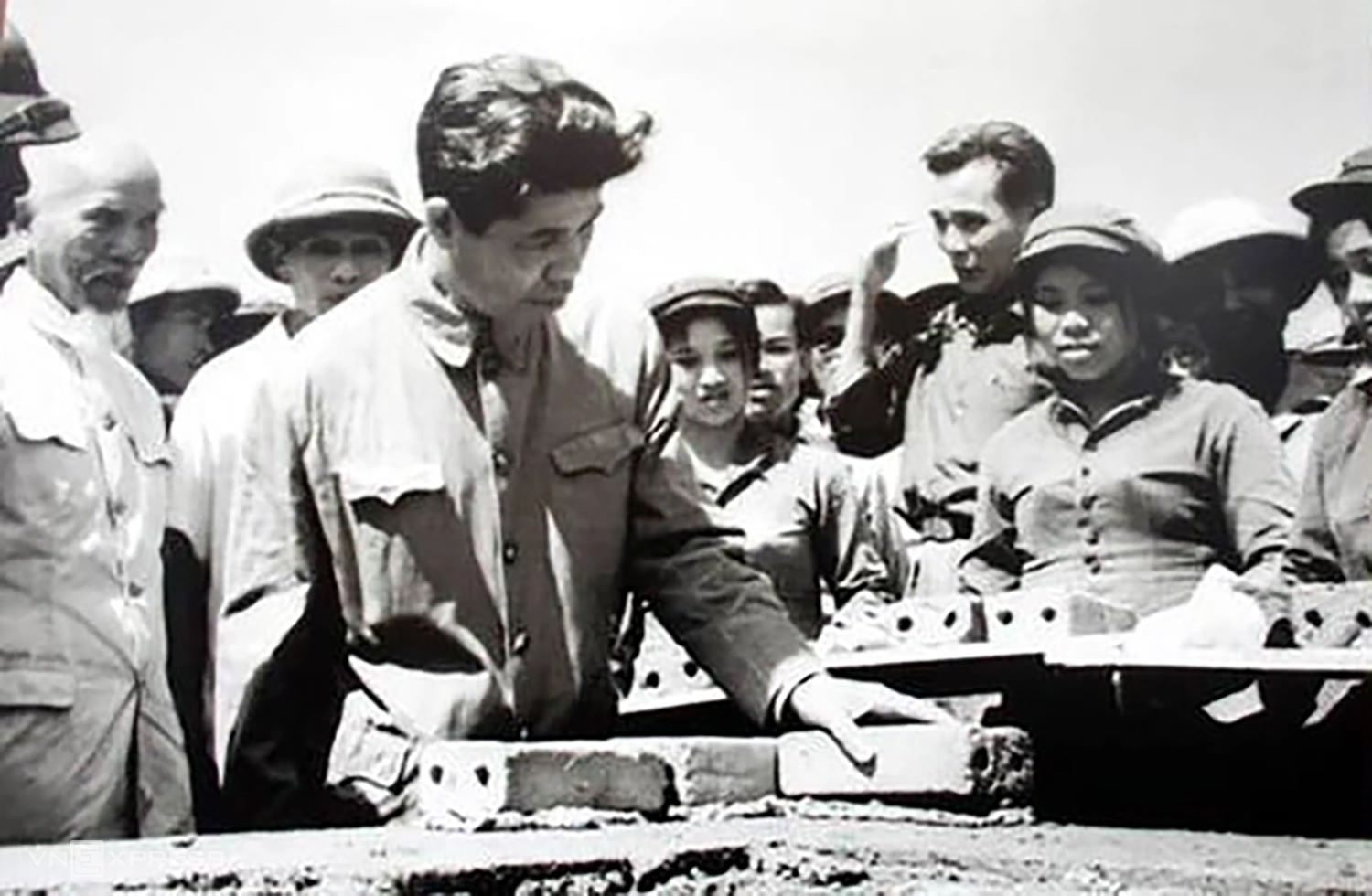
In April 1974, former General Secretary Do Muoi, then Deputy Prime Minister, laid the first brick at the Quang Trung apartment project, initiating the reconstruction of Vinh. The complex was once considered a model, state-of-the-art collective residential area in Vinh City after the war and was among the leading modern urban areas in Central Vietnam.
During the subsidy period, the Quang Trung apartment complex was known as the “rich neighborhood” because its residents were primarily leading officials, intellectuals, outstanding workers, and experts. At that time, owning an apartment here was a symbol of status and prosperity.
 |
In recent years, many families with sufficient means have moved elsewhere to build new homes. Some households rent rooms outside due to safety concerns. |
After almost 50 years, most residents are retirees, workers, civil servants, and households with middle or low incomes. They remain in the old apartments due to their inability to afford commercial housing.
Currently, the Quang Trung area still has six old inhabited buildings: C2, C3, C4, C5, C6, and D2, comprising approximately 440 apartments and over 1,000 residents.
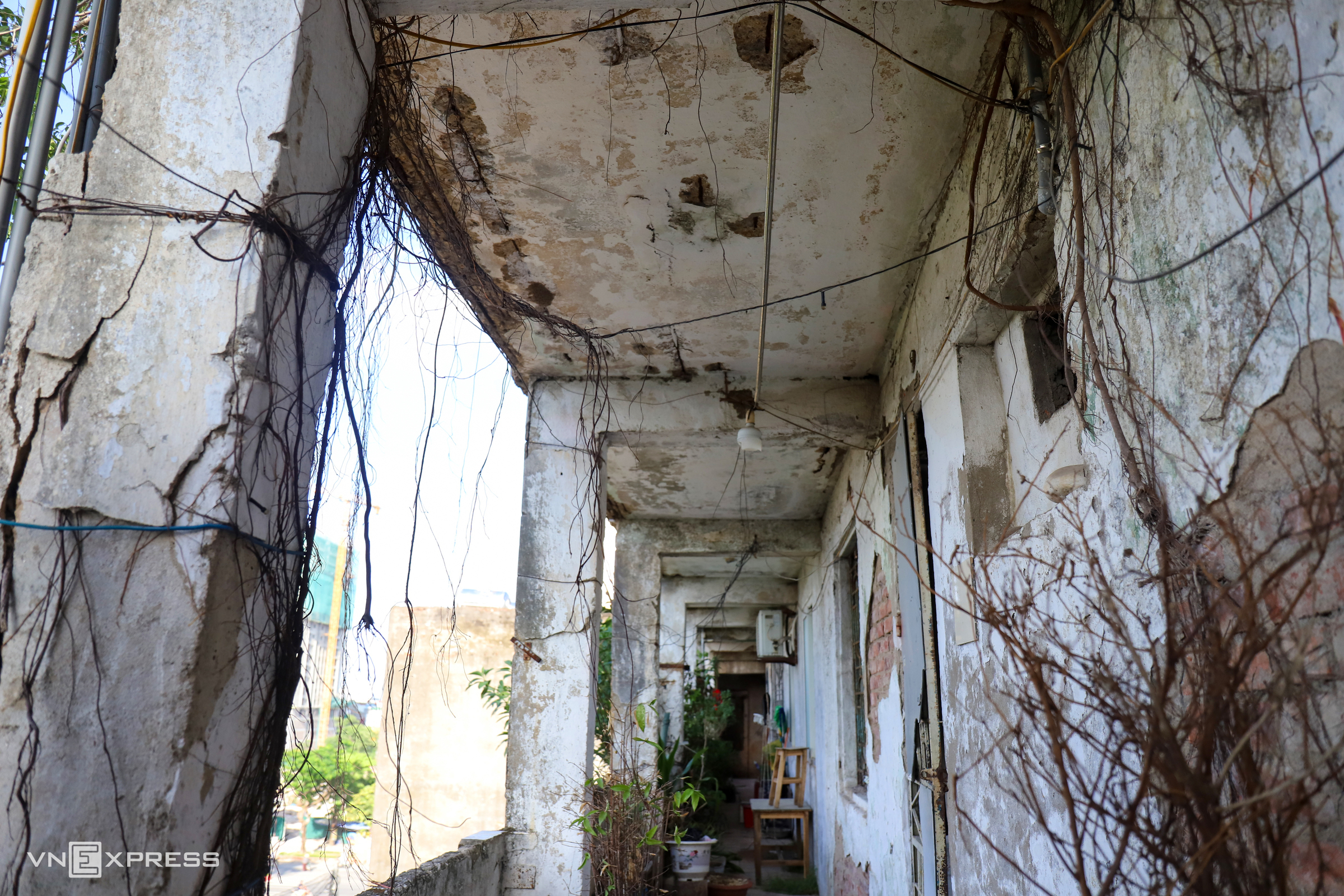 |
Many inhabited buildings have severely deteriorated. Corridors on various floors have peeling tiles and plaster, with tree roots clinging to the surfaces.
{"caption_all":"Nhiu1ec1u vu1ecb tru00ed tu1ea1i tu00f2a D2 phu1ee7 ru00eau, ku00ednh vu1eeo, tu01b0u1eddng vu00e0 cu1ea7u thang nu1ee9t, lu1ed9 lu00f5i thu00e9p.","caption_items":"["","",""]"}
 |
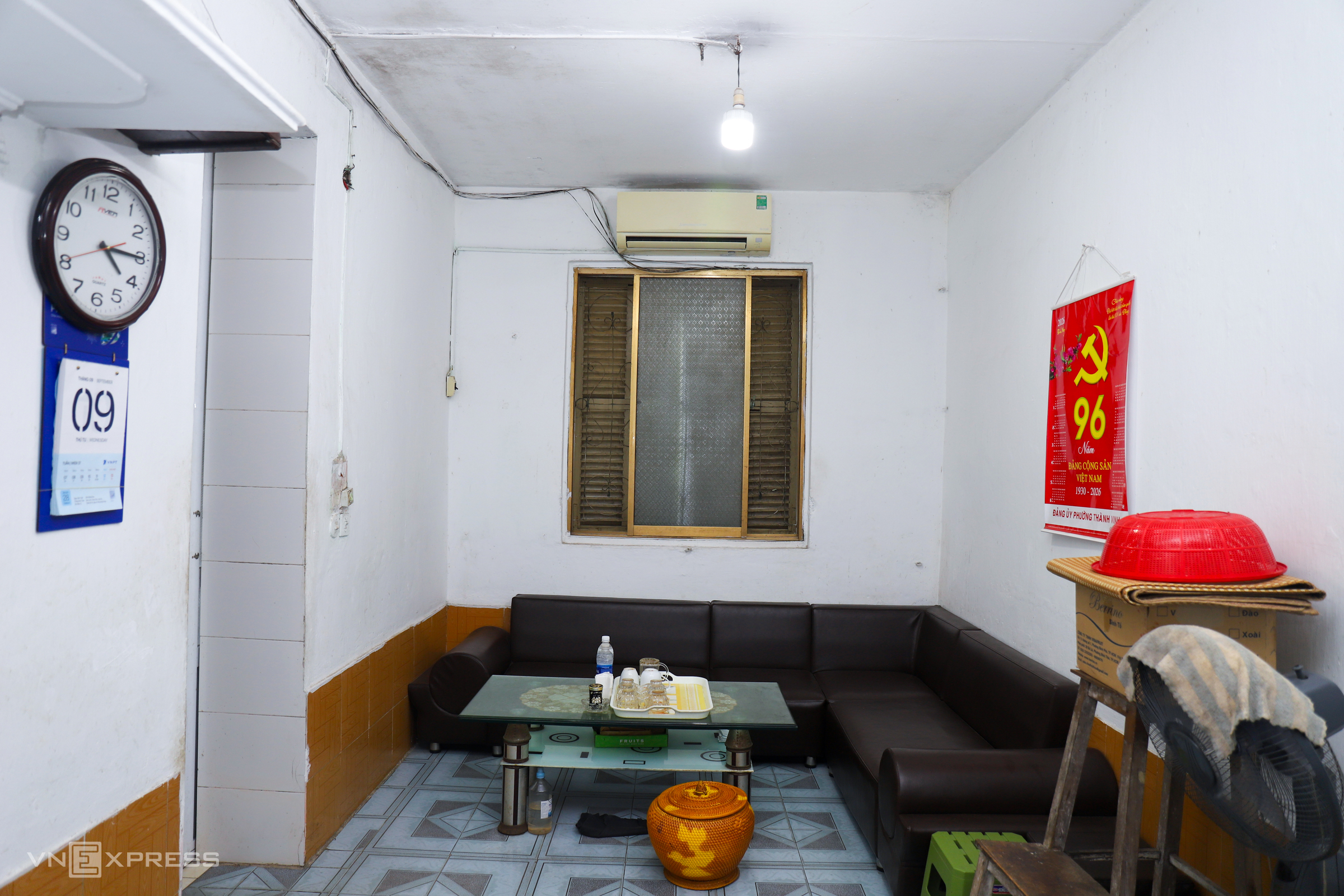 |
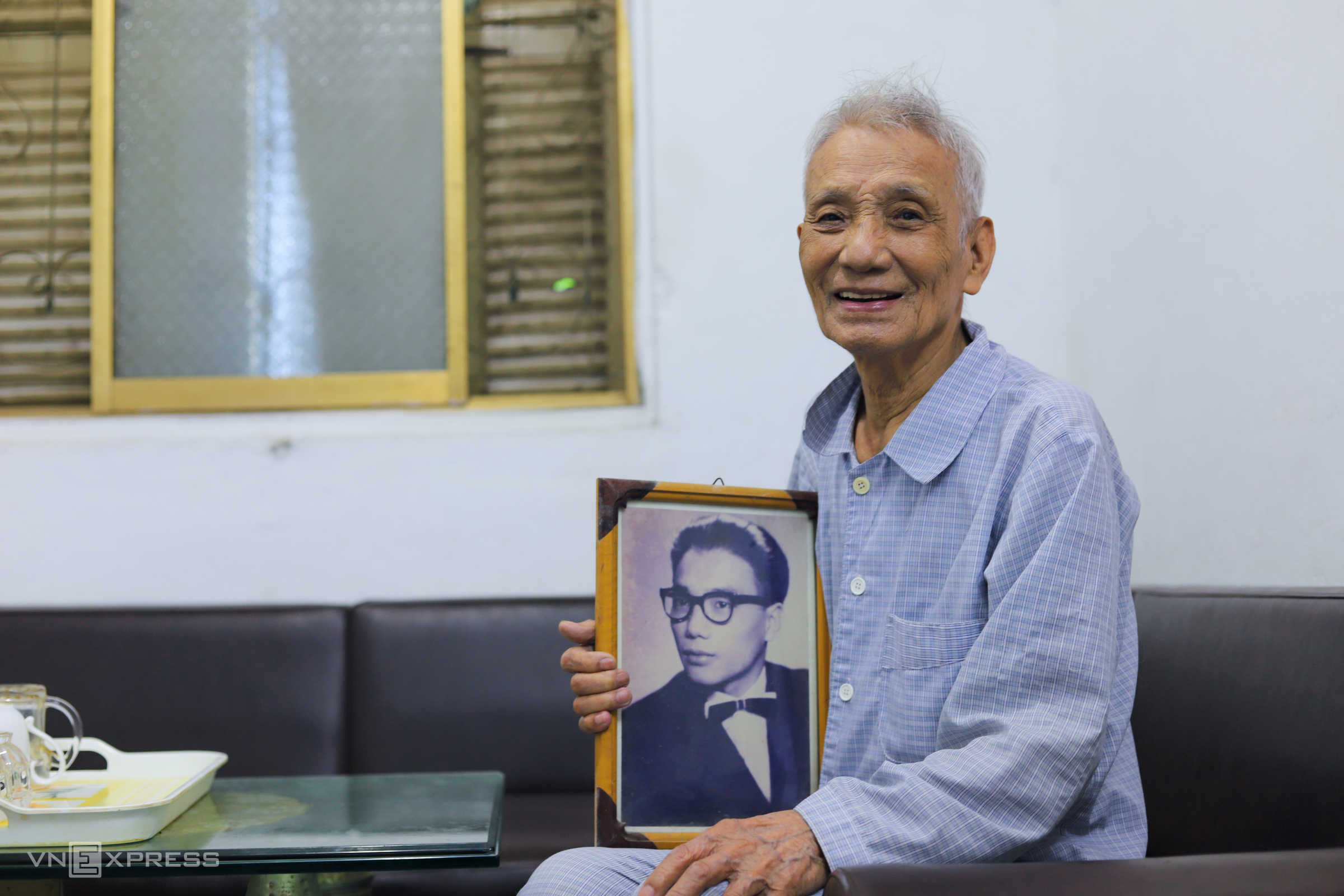
Holding a photograph from his student days in Czechoslovakia between 1955-1961, Le Minh Tue, 89, recounted his experience after returning to Vietnam to work as an official at Vinh Locomotive Enterprise. In 1980, the state allocated him a 45-square-meter apartment on the second floor of building D2 in the Quang Trung complex. The apartment featured two bedrooms, one living room, and a kitchen.
"Living here was a source of pride back then," Tue said. Over time, the apartment underwent several repairs, but his family largely preserved the original structure and layout as a keepsake.
 |
{"caption_all":"Phu00f2ng khu00e1ch cu1ee7a mu1ed9t su1ed1 gia u0111u00ecnh u0111u00e3 cu0169 ku1ef9, tu01b0u1eddng u1ea9m thu1ea5p. Khu bu1ebfp thu01b0u1eddng xuyu00ean bu1ecb du1ed9t, ngu01b0u1eddi du00e2n phu1ea3i du00f9ng thau hu1ee9ng nu01b0u1edbc.","caption_items":"["",""]"}
 |
 |
 |
{"caption_all":"Do cu00f4ng tru00ecnh xuu1ed1ng cu1ea5p, vu00e0o mu00f9a mu01b0a lu0169, cu01b0 du00e2n tu1ea1i cu00e1c tu00f2a nhu00e0 khu Quang Trung u0111u01b0u1ee3c chu00ednh quyu1ec1n vu1eadn u0111u1ed9ng, hu1ed7 tru1ee3 di chuyu1ec3n u0111u1ebfn khu00e1ch su1ea1n hou1eb7c nhu00e0 vu0103n hu00f3a cu00e1c khu1ed1i phu1ed1 gu1ea7n u0111u00f3 u0111u1ec3 tru00e1nh tru00fa.","caption_items":"["",""]"}
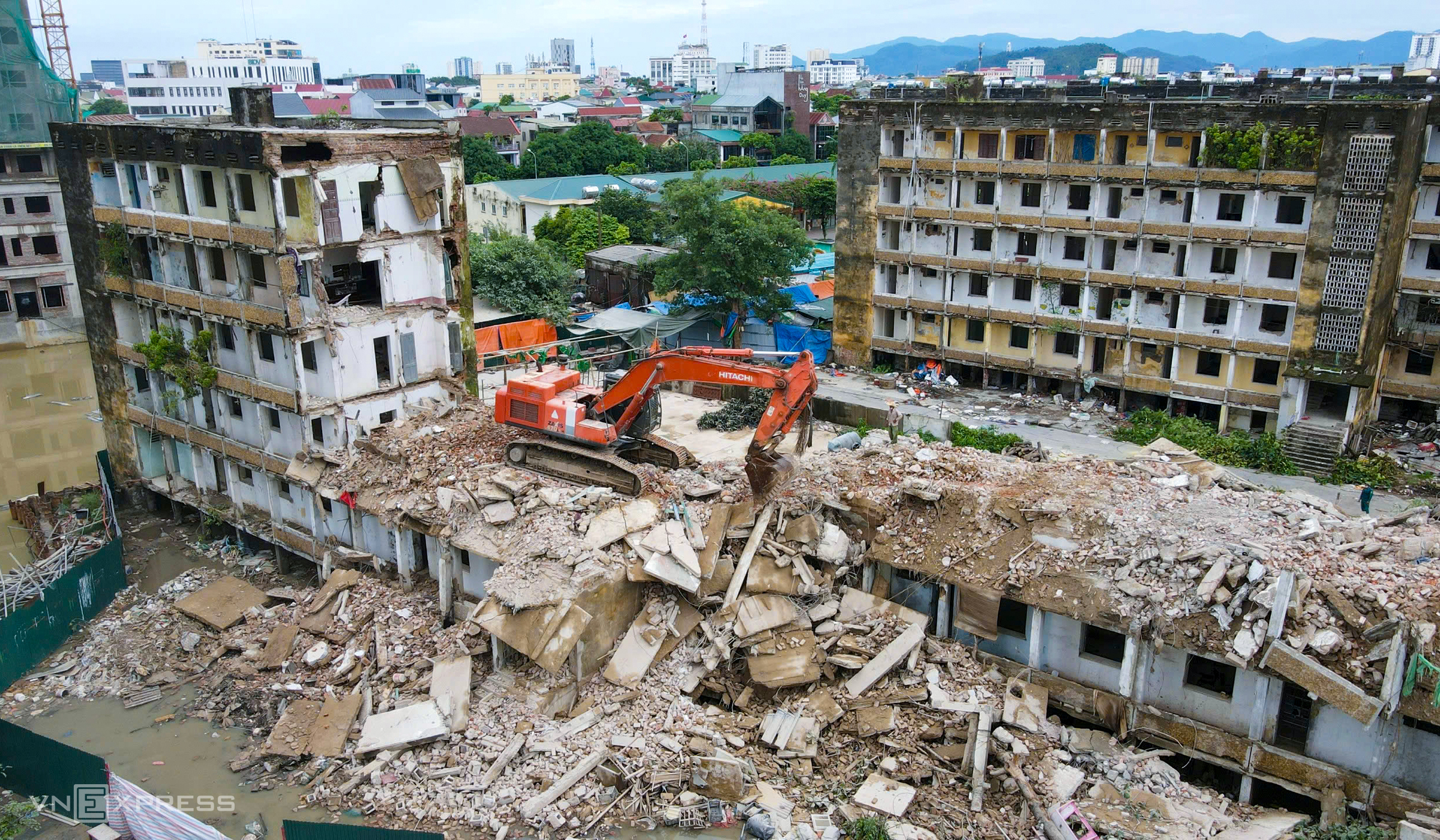 |
In late August, buildings C5 and C6 of the Quang Trung apartment complex were mechanically demolished. Both had been assessed at Level D, the highest danger rating for apartment buildings.
Following demolition, the site will be transferred to the investor for further renovation and reconstruction of Area C. The project includes townhouses, a commercial center, a market, public facilities, green spaces, and a sports area.
 |
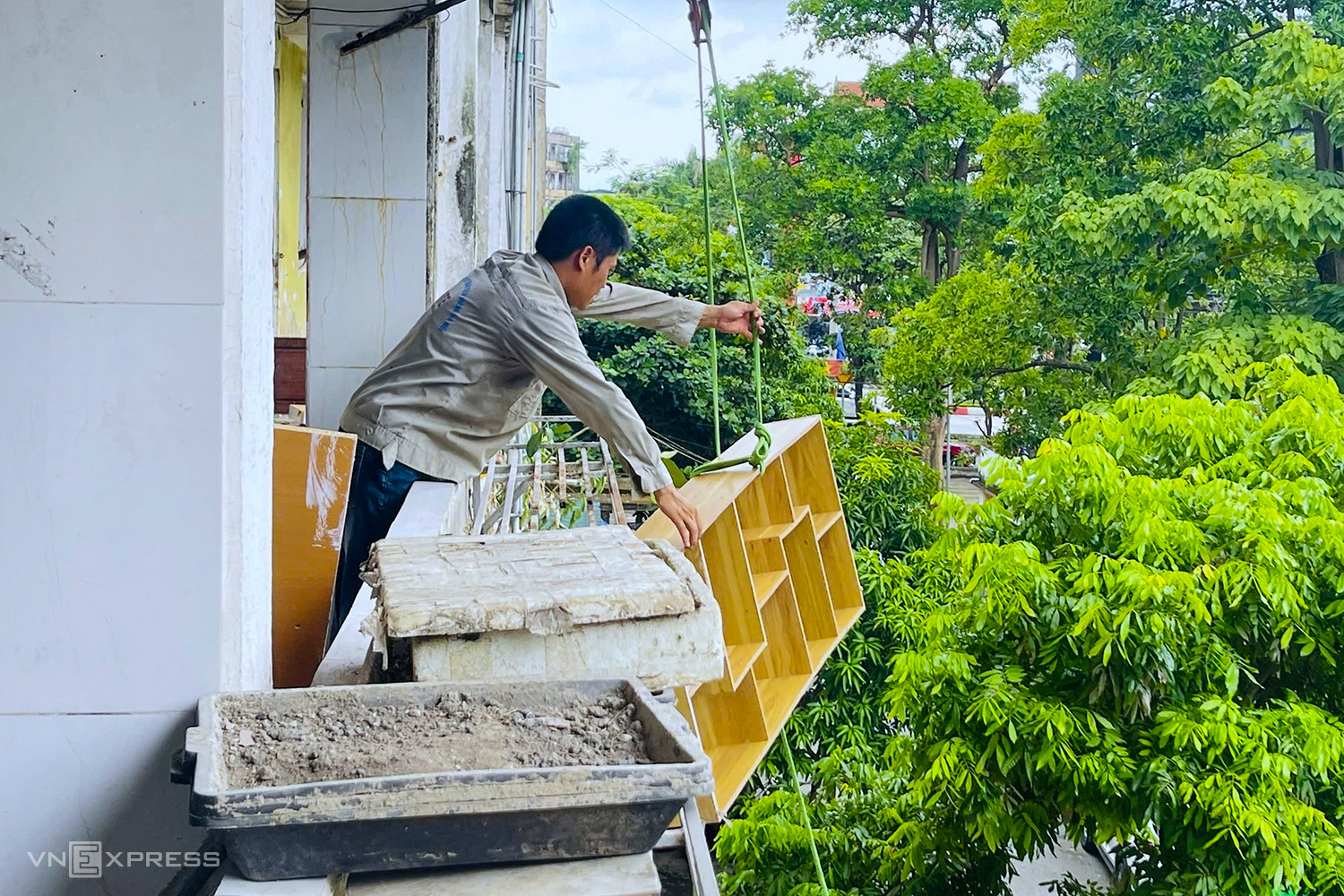 |
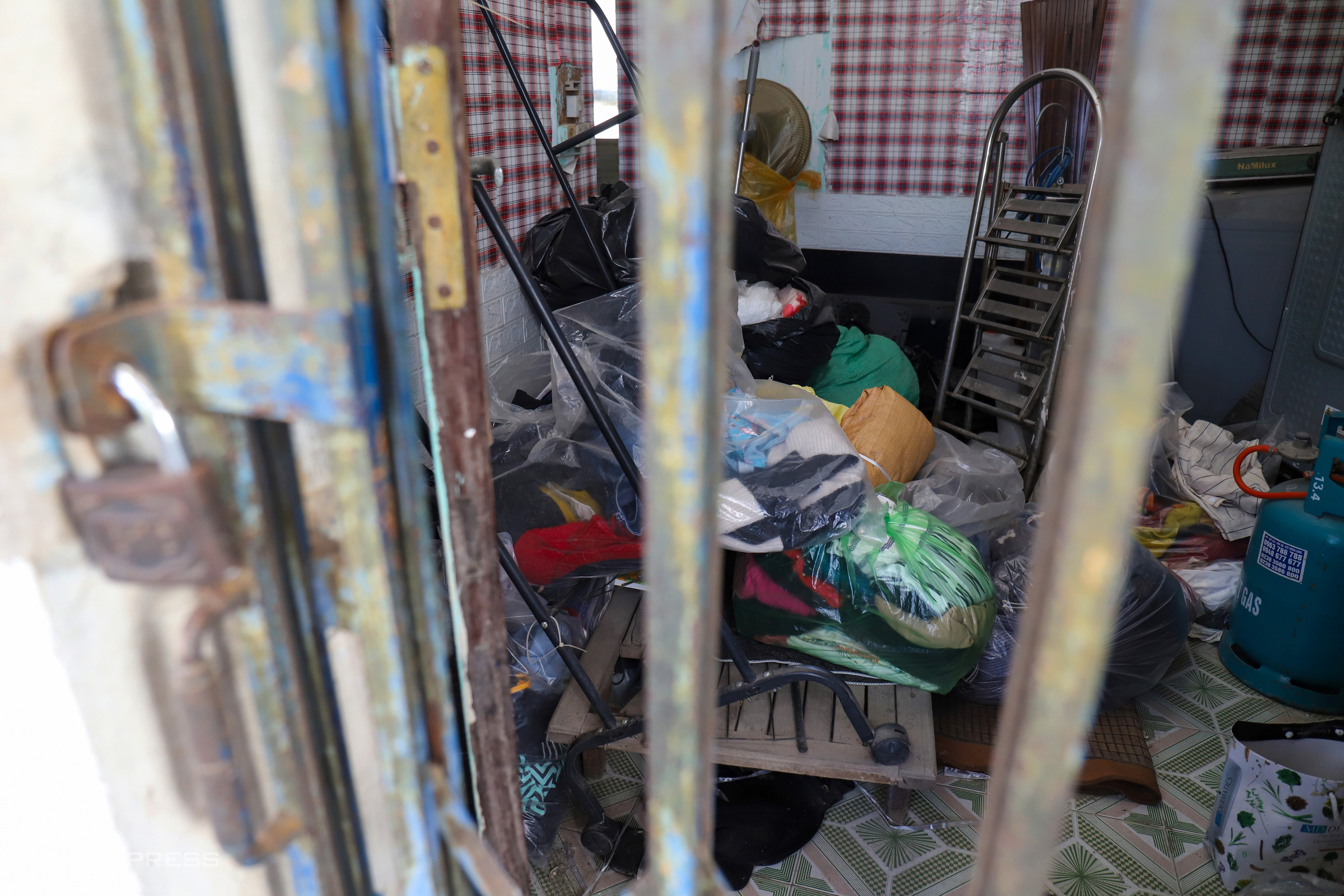
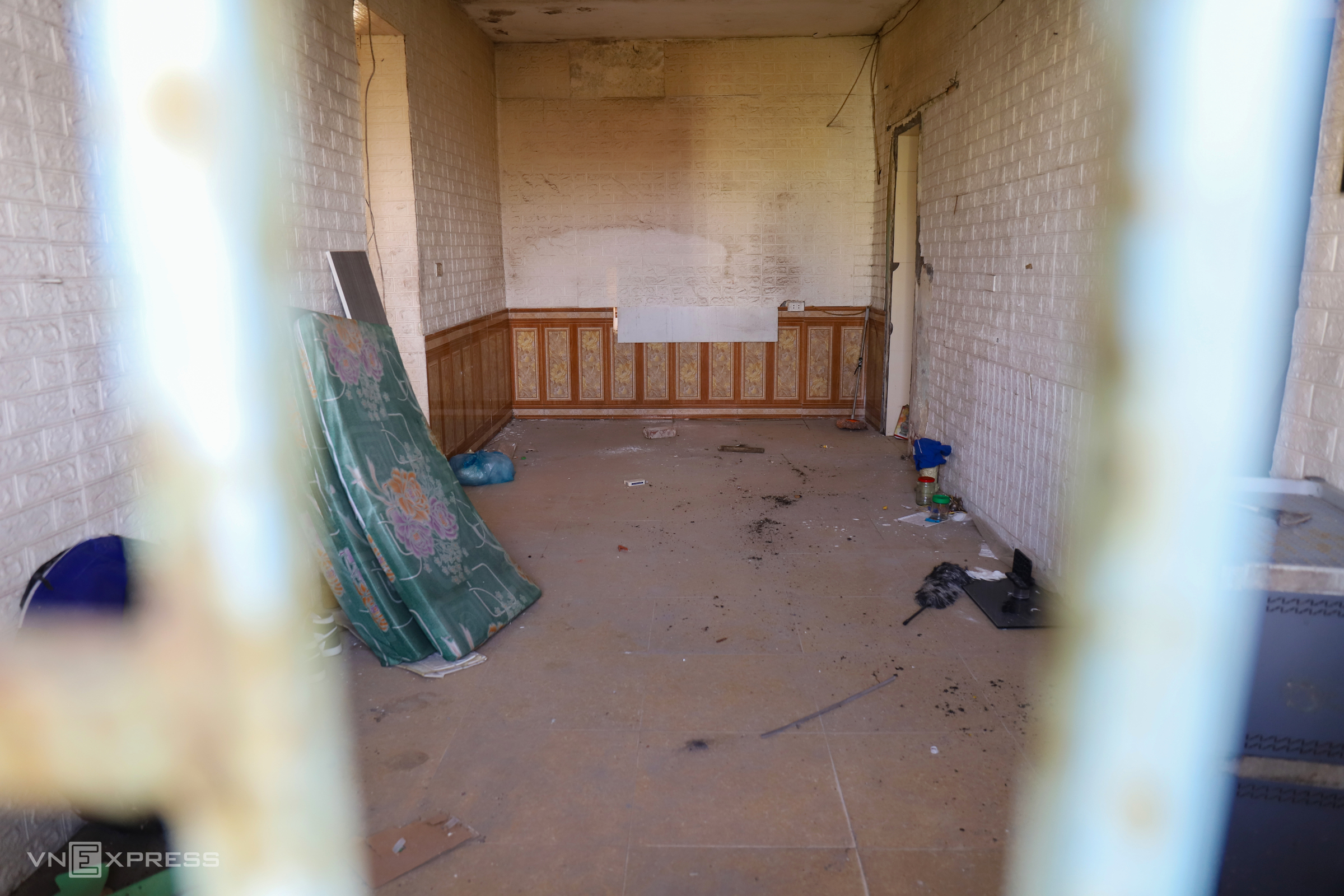
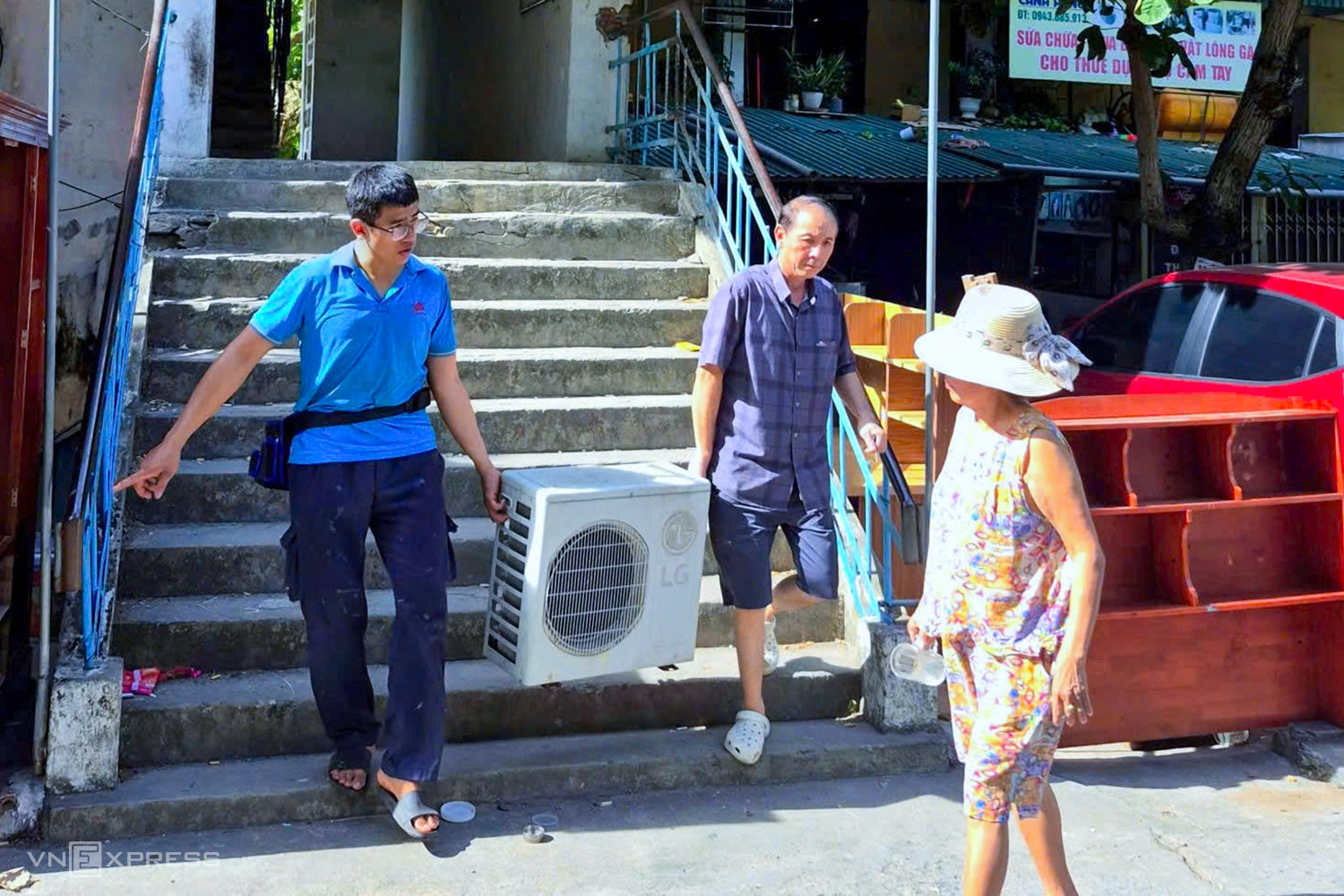
In late September, residents of buildings C2, C3, C4, C5, and C6 were busy relocating their belongings to temporary housing while awaiting resettlement arrangements.
Dinh Nho Tai, Vice Chairman of Thanh Vinh ward, stated that the locality provides each household with 5 million VND for moving costs and 5 million VND per month for rent, for a maximum of six months. The ward is urging the investor to accelerate construction of the remaining two resettlement buildings and complete the relocation process early to ensure residents' safety during the rainy and storm season.
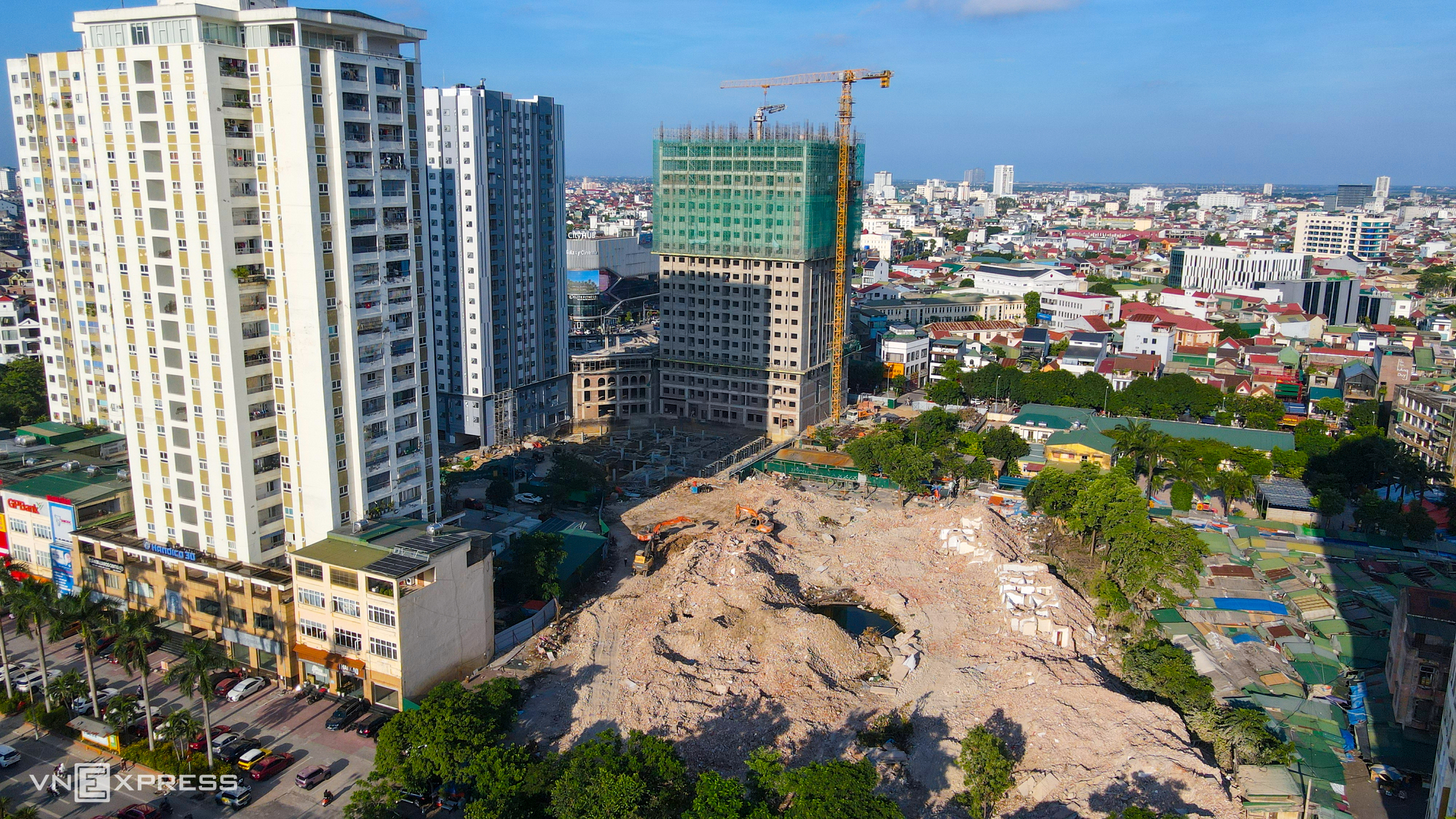 |
The resettlement apartment buildings are nearing completion as part of the Area C renovation and reconstruction project, with Ha Noi Housing Investment and Development Joint Stock Company No. 30 as the investor. The project spans 72,240 square meters and is designed to accommodate a population of approximately 6,800 people.
To date, the company has commissioned two new apartment buildings, demolished buildings C7, C8, C9, and resettled 149 households. According to Nghe An province's directive, the investor must complete the remaining two resettlement buildings in 2026 for handover to residents.
Nghe An has 23 old apartment buildings, 17 of which, or approximately 74%, have been demolished. The province still has 54 degraded collective houses, mainly level 4 buildings with shared foundations and walls in the old Vinh area.
Duc Hung