The law broadens the scope of individuals eligible for legal aid, specifically including low-income workers who are either accused or victims in criminal proceedings. This measure aims to better protect their rights during litigation, with the Government stating that the provision enhances access to justice for vulnerable groups.
The law largely maintains the existing categories of legal aid beneficiaries but provides more specific definitions. These groups include: individuals who contributed to the revolution; relatives of martyrs and those who cared for martyrs; members of poor and near-poor households; Agent Orange victims; disabled individuals; children; ethnic minorities residing in areas facing extreme socio-economic difficulties; very small ethnic minority groups; the elderly; victims of domestic violence; and individuals with HIV who receive monthly social benefits.
Additionally, individuals experiencing sudden hardship due to natural disasters or fires are eligible for legal aid in cases directly related to recovery efforts. Minors aged 16 to under 18, in various legal roles such as being reported, recommended for prosecution, held in emergency, accused, victim, witness, or those undergoing diversionary measures or prisoners under the Law on Juvenile Justice, are also covered.
Furthermore, victims and individuals in the process of being identified as victims of human trafficking, along with accompanying minors, are eligible. The law also extends legal aid to individuals who have suffered damages but have not hired legal representation under the Law on State Compensation Liability, and foreigners as stipulated by international treaties to which Vietnam is a signatory.
The Government indicated that the criteria for determining legal aid recipients are based on social policies, including poverty reduction, preferential treatment for contributors, ethnic policies, and the nation's socio-economic conditions. The law clearly defines the criteria and conditions applicable to each group, ensuring transparency and feasibility.
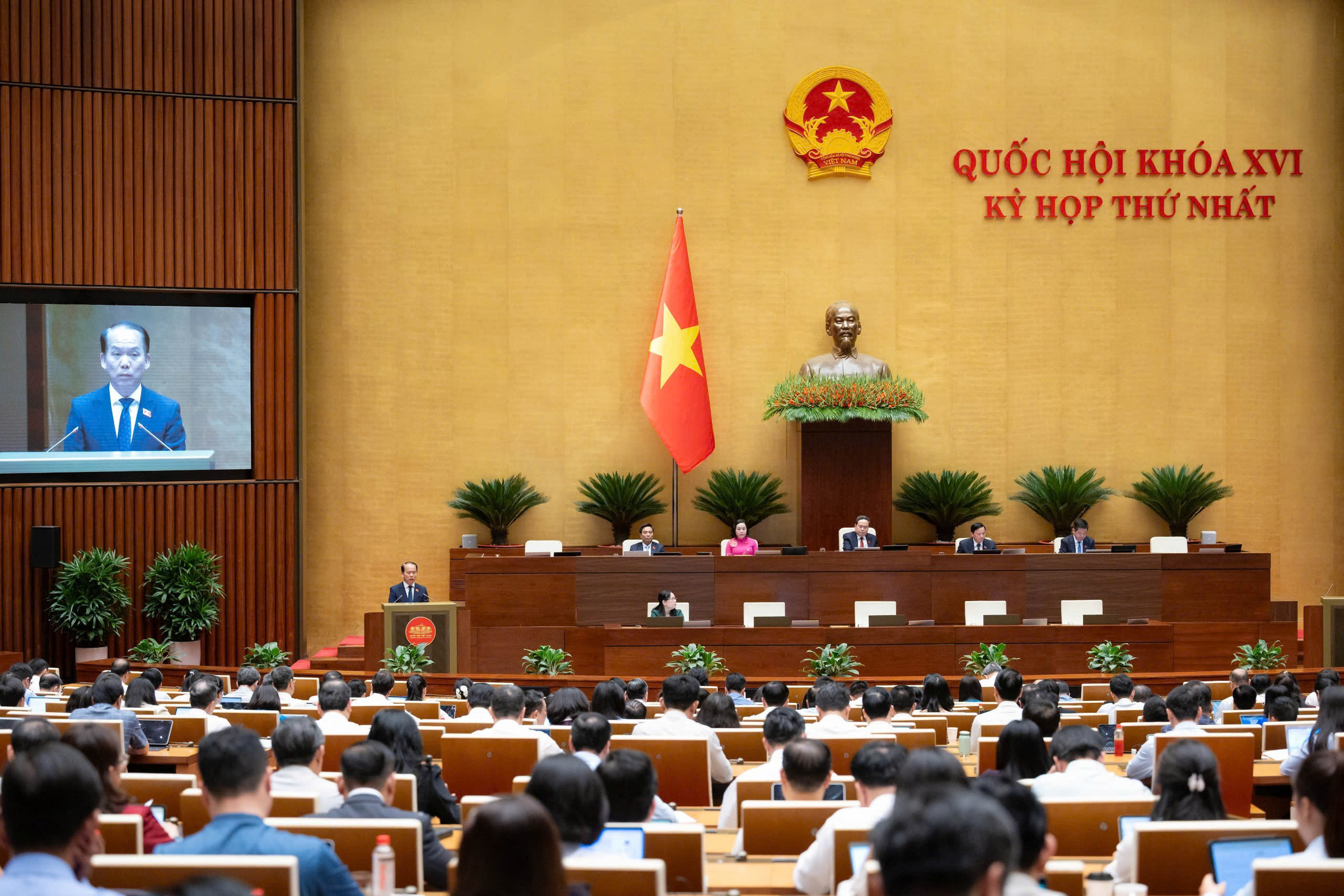 |
The National Assembly listened to Minister of Justice Hoang Thanh Tung present explanatory reports and receive feedback from delegates on draft laws, before voting for approval on the afternoon of 23/4. Photo: National Assembly Media
Under the new law, State Legal Aid Centers are permitted to establish branches as subordinate units, with the main center fully responsible for the activities of its branches. The Chairman of the provincial People's Committee will decide on the establishment of branches based on actual needs and conditions.
The Government will issue detailed regulations concerning the organization and operation of State Legal Aid Centers and their branches, as well as the procedures for their establishment, merger, or dissolution.
The law also outlines the standards for legal aid providers. These include: good ethical character; a bachelor's degree in law or higher; completion of lawyer training or eligibility for exemption; completion of a lawyer apprenticeship or legal aid apprenticeship; and good health.
The Chairman of the provincial People's Committee holds the authority to appoint, issue cards to, relieve from duty, and revoke the cards of legal aid providers.
The law will take effect from 1/1/2027.
Vu Tuan