The National Assembly is set to comprehensively amend the Land Law 2024 at its upcoming year-end session. This significant legislative effort aims to resolve issues that have emerged since the law's implementation nearly two years ago and to ensure alignment with the country's new two-tier local government model.
National Assembly Chairman Tran Thanh Man emphasized the substantial legislative agenda for the next session, which includes nearly 40 draft laws and normative resolutions. The comprehensive amendment of the Land Law is a central task, mandated by the Politburo.
On 11/5, the National Assembly Standing Committee reviewed the summary of its first session and prepared for the second session, scheduled for later this year. Phan Van Mai, Chairman of the Economic and Financial Committee, reported that the Ministry of Agriculture and Environment is currently seeking government feedback on the draft Land Law amendment. The appraisal and drafting agencies are collaborating to prepare the necessary documents for submission to the National Assembly.
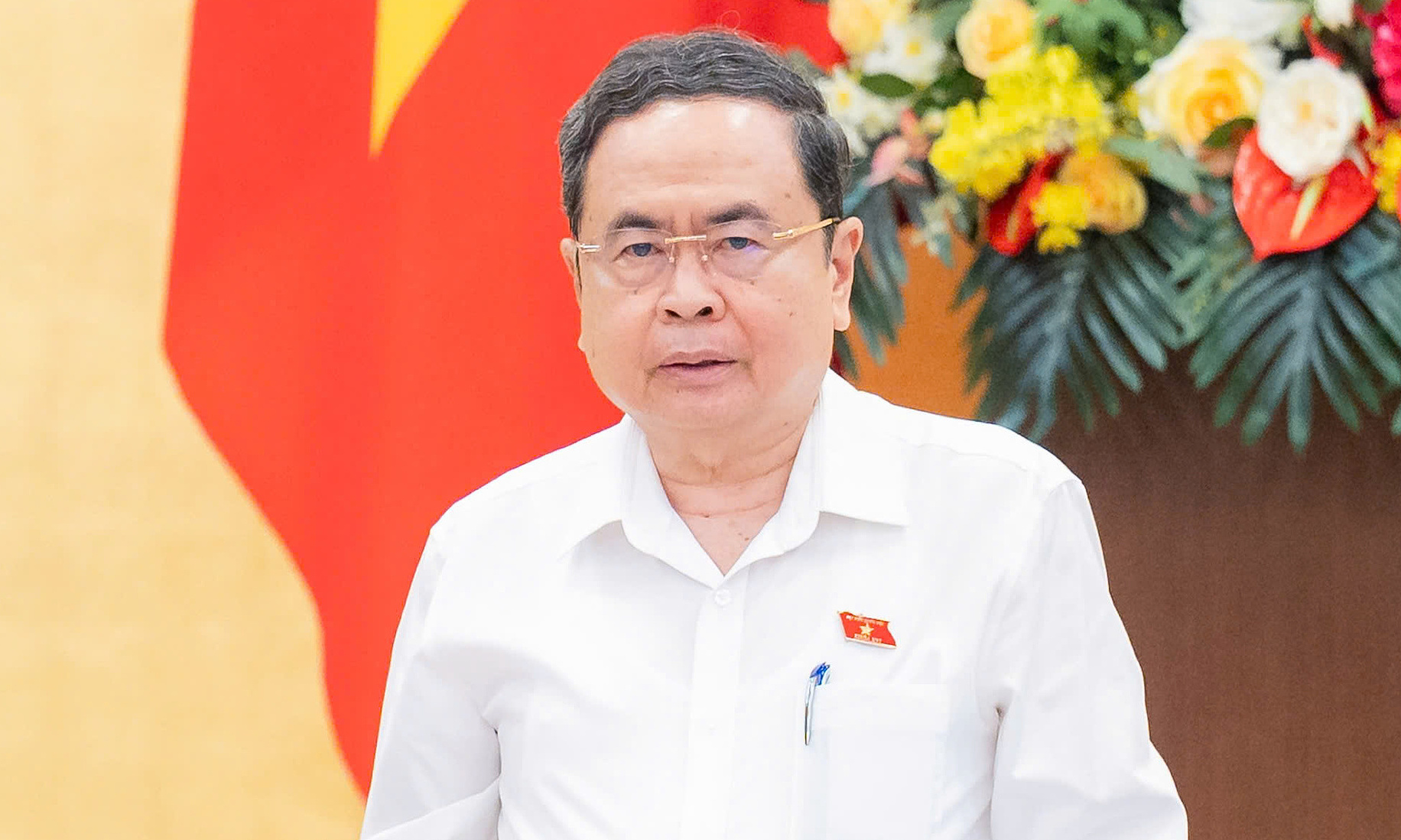 |
National Assembly Chairman Tran Thanh Man speaking at the meeting. Photo: Hoang Phong.
The Land Law 2024, which took effect from 1/8/2024, has encountered several challenges requiring adjustment. A key reason for the amendment is the nation's transition to a two-tier local government model—comprising provincial and commune/ward levels—starting 1/7/2025. The current Land Law, however, still mandates a three-tier land use planning system: national, provincial, and district.
According to the Ministry of Agriculture and Environment, this existing three-tier planning model is no longer suitable. It creates overlaps and a lack of synchronization with other sectors, especially following the abolition of the district administrative level.
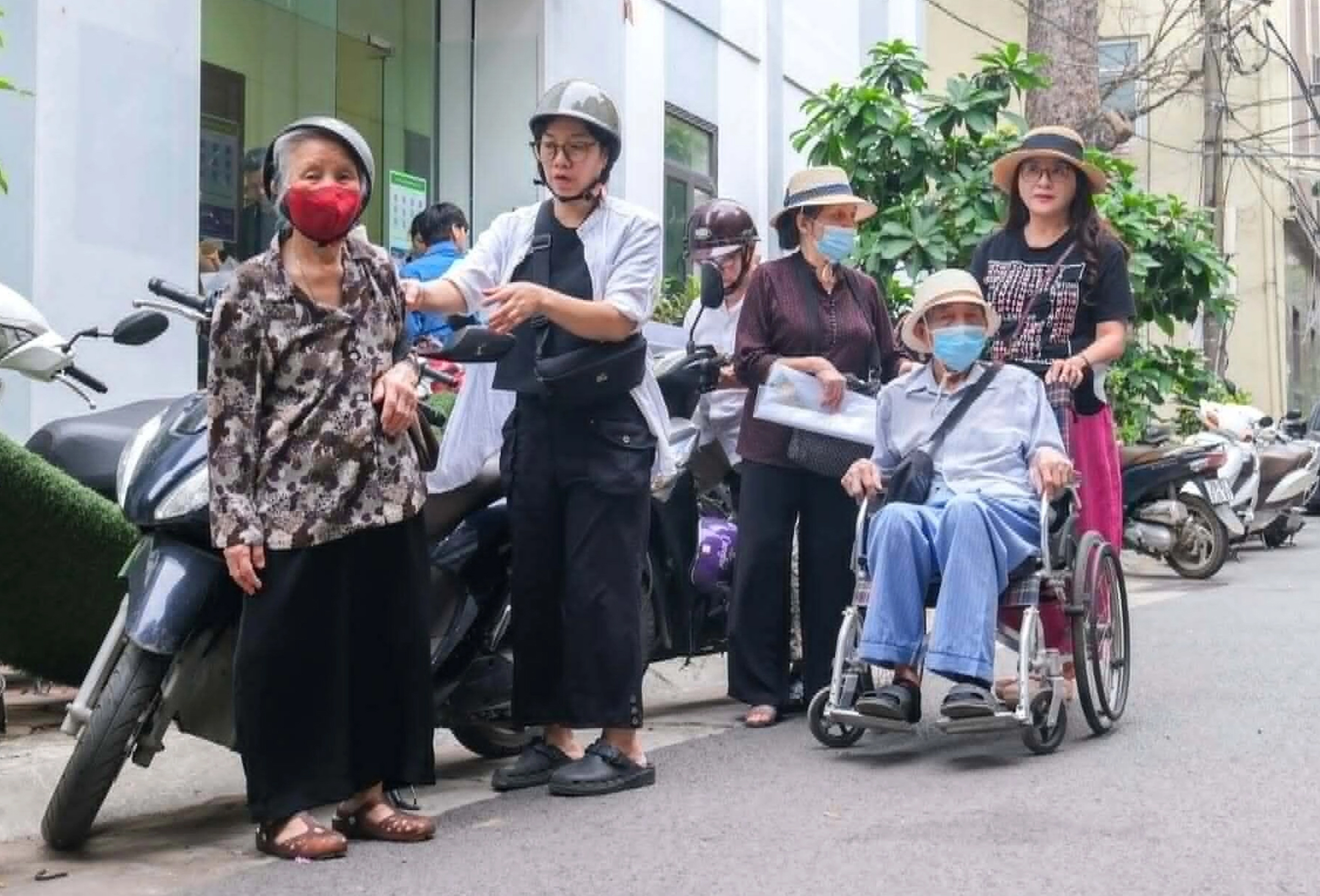
The proposed amended law is expected to revise approximately 65 articles of the Land Law 2024. Key proposals from the Ministry of Agriculture and Environment include: issuing "red books" (land use right certificates) for land transactions conducted with handwritten documents between 2014 and 2024; tightening land transactions during periods awaiting reclamation; and increasing decentralization and devolution of power to align with the two-tier local government structure.
During the same session, Dang Xuan Phong, Minister and Head of the Government Office, announced that the Government plans to propose adding five more draft laws to the legislative program. These include: the Law on Vietnamese Workers Working Abroad, the Law on Occupational Safety and Health, the Law on Data Security, the Law on Electronic Identification and Authentication, and a project to amend several laws under the Ministry of Home Affairs.
Mr. Dang Xuan Phong also stated that the Government anticipates submitting around 93 dossiers and documents to the National Assembly at the year-end session. The Government Office will advise the Prime Minister to assign Deputy Prime Ministers to oversee specific areas, ensuring ministries and sectors complete their dossiers on schedule.
Son Ha